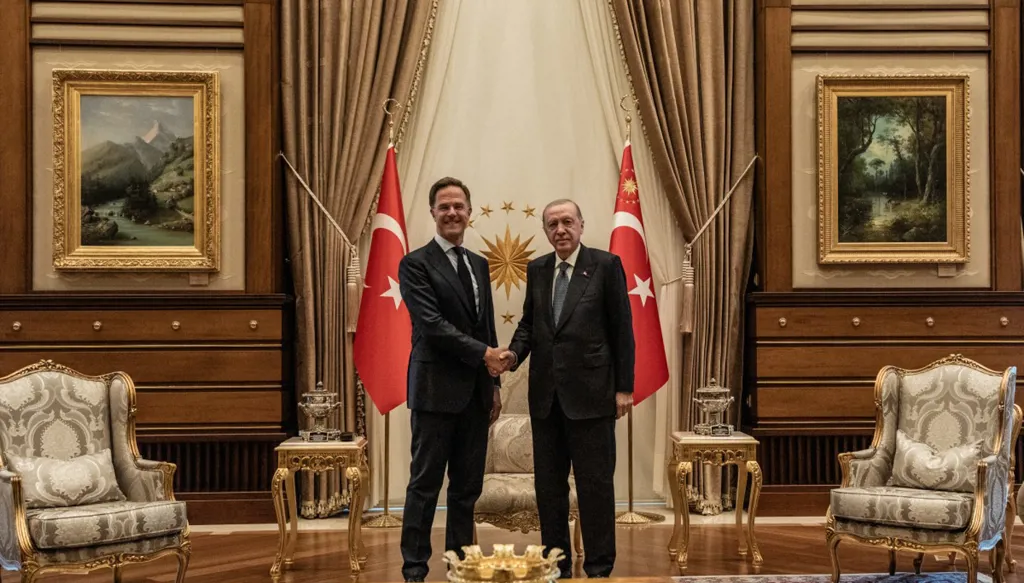
As leaders gather in the Turkish capital, the real battle lies beyond the official agenda, with debates that may shape the Alliance's strategic direction for years to come.

As Morocco marks Throne Day, the country's recognition of sovereignty over the Sahara and its growing influence in Europe and Africa take center stage.
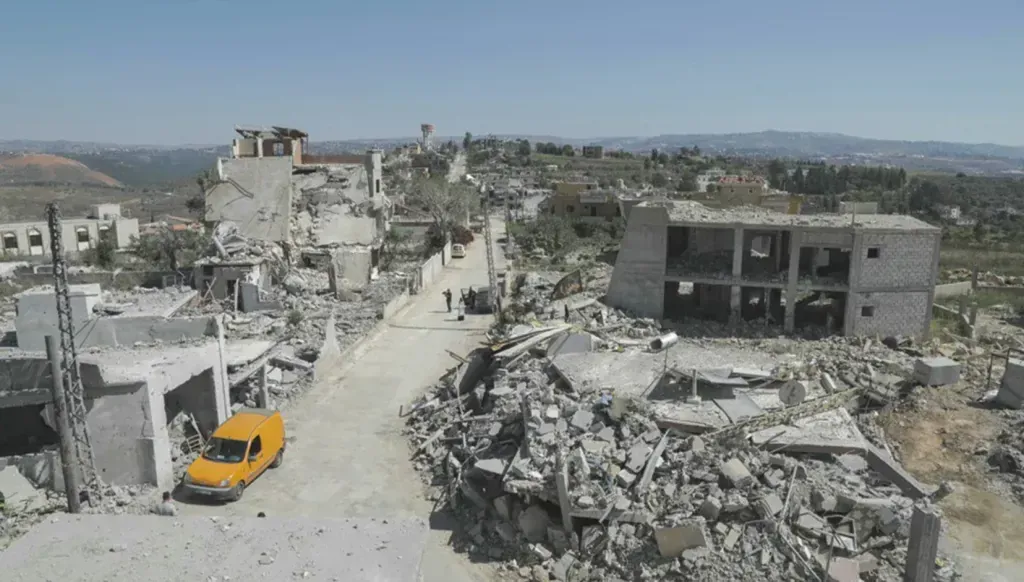
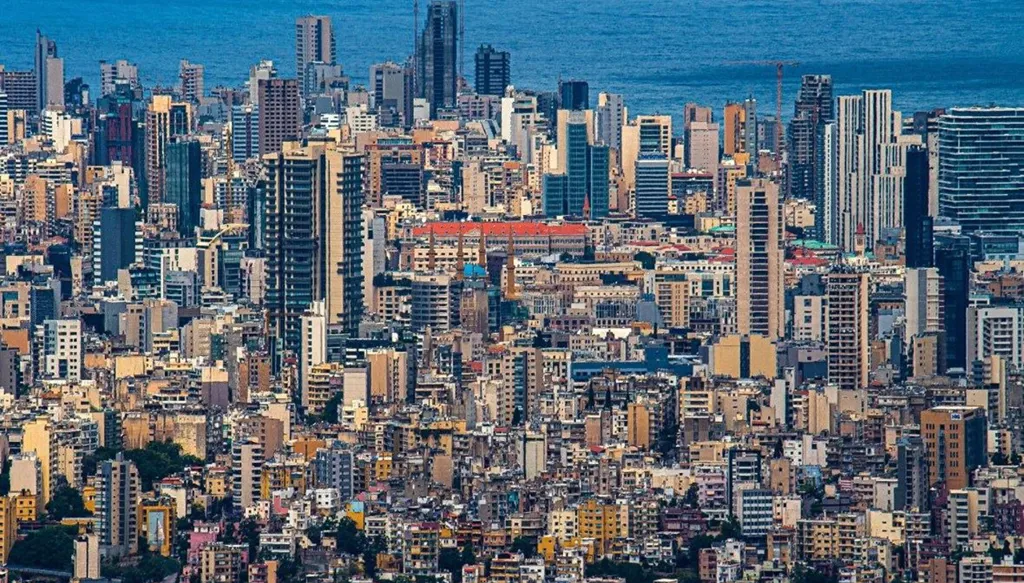
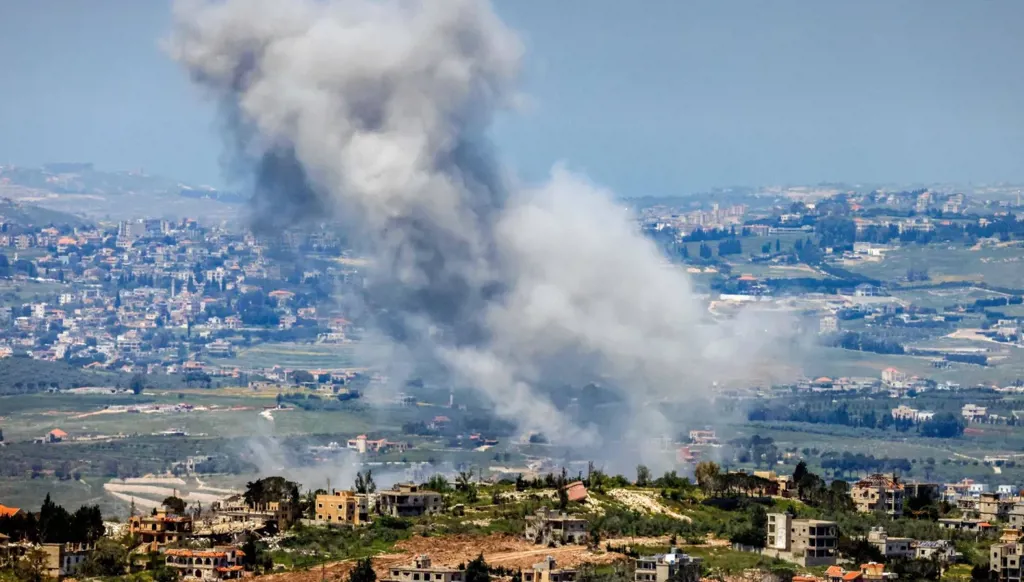
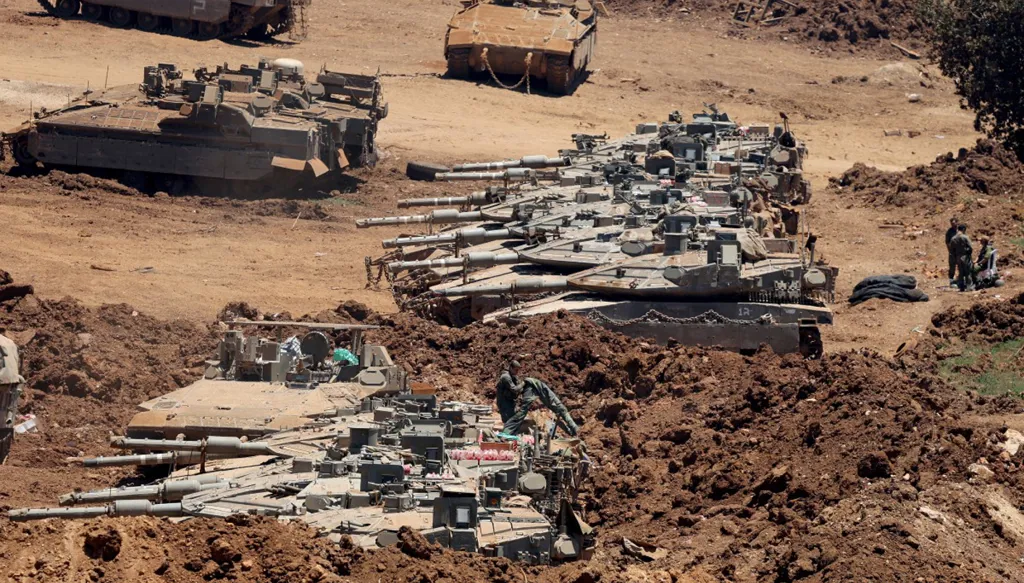
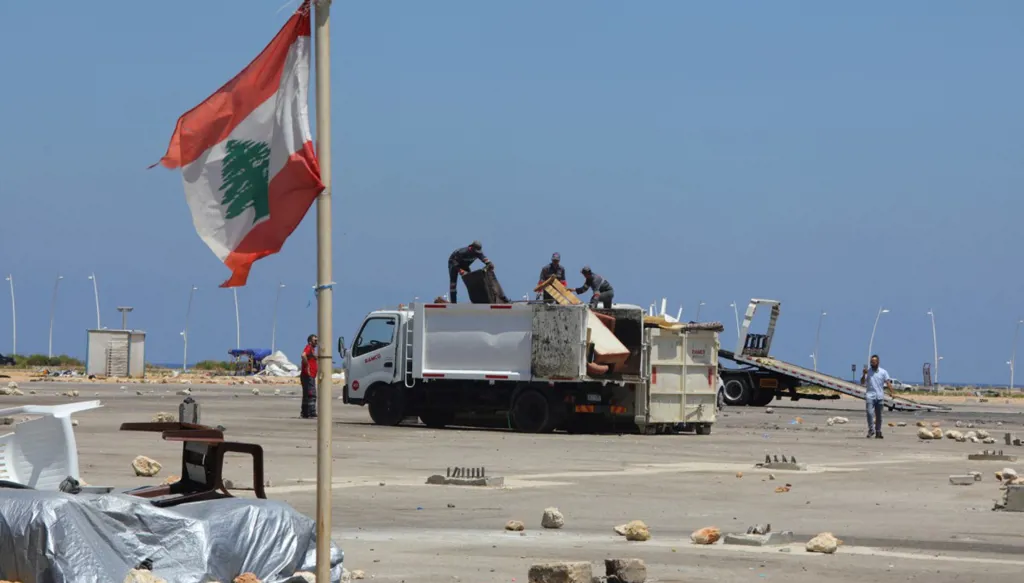
As border villages reject claims of seeking Israeli protection, the debate over negotiations highlights a broader national question: security, sovereignty, and peace cannot be built along sectarian lines.
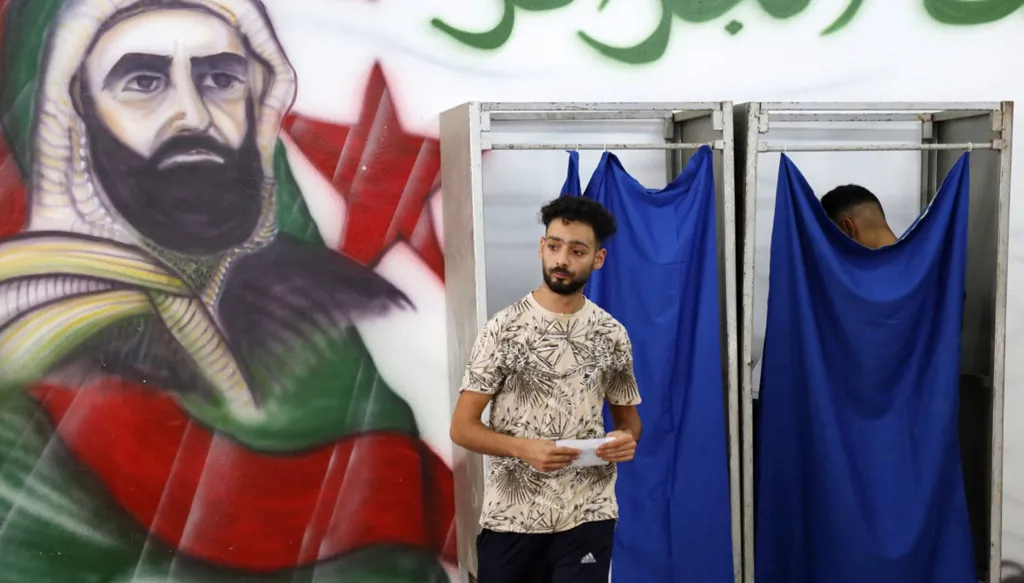
Low voter turnout, candidate exclusions, and limited parliamentary powers highlight persistent doubts over political representation and decision making in Algeria.
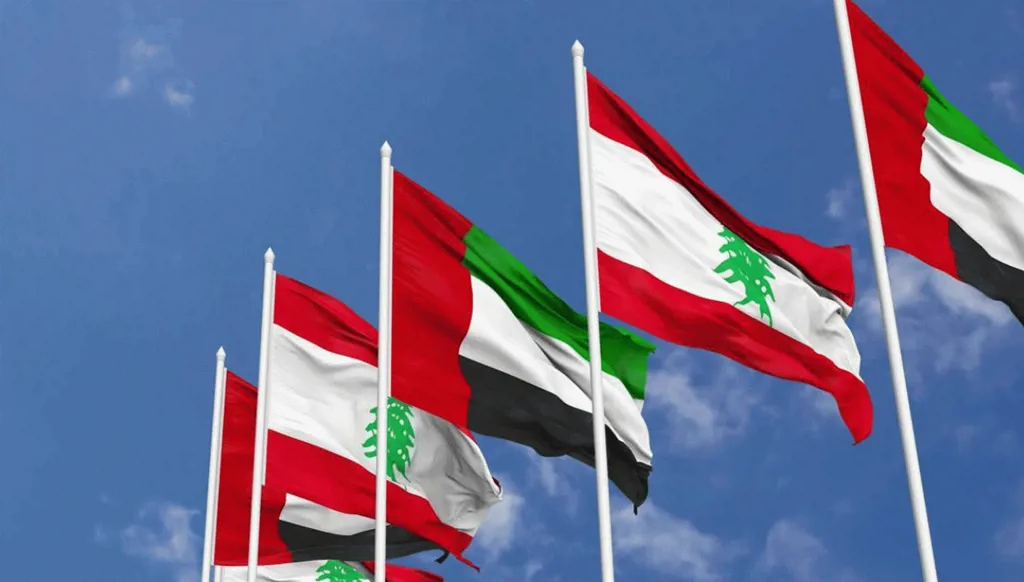
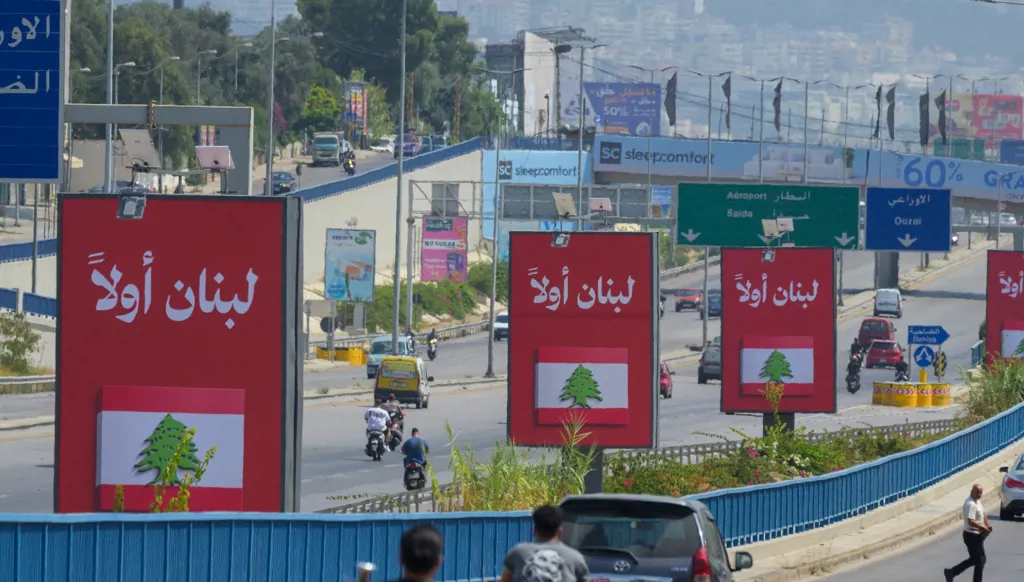
The UAE's decision to allow citizens to travel to Lebanon reflects more than a security assessment. It signals renewed confidence in a state capable of restoring sovereignty, strengthening institutions, and creating conditions for stability and investment.