

Israeli raids on western Bekaa raise questions over wider military objectives amid southern front escalation
As airstrikes intensify from the Western Bekaa to southern Lebanon, military analysts point to strategic signaling, pressure tactics, and shifting battlefield priorities rather than immediate indications of a full-scale advance in the region.



 Messenger
 Whatsapp
 Threads
 Email
Email
 Print
Print
 X
X
 Facebook
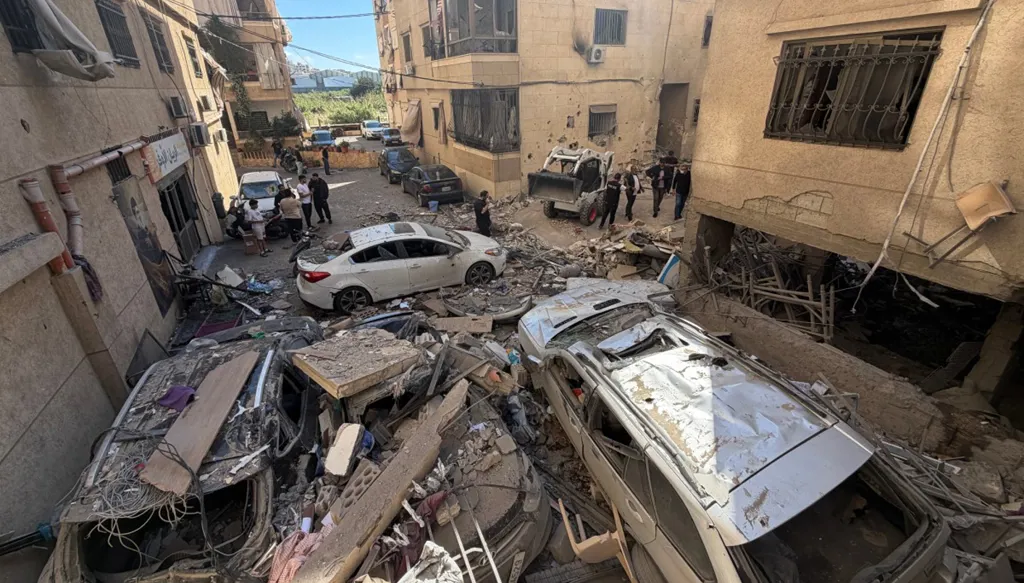
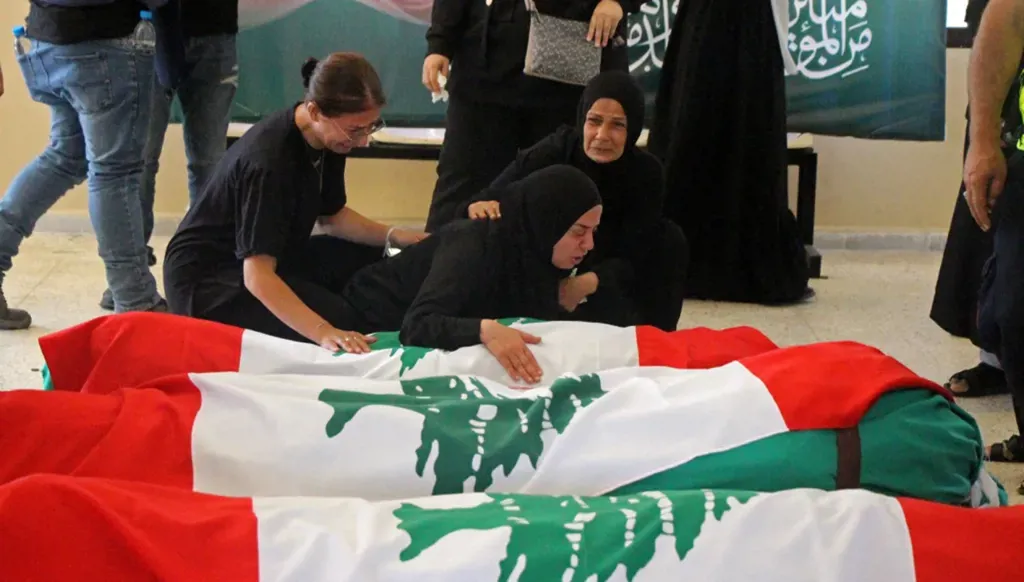
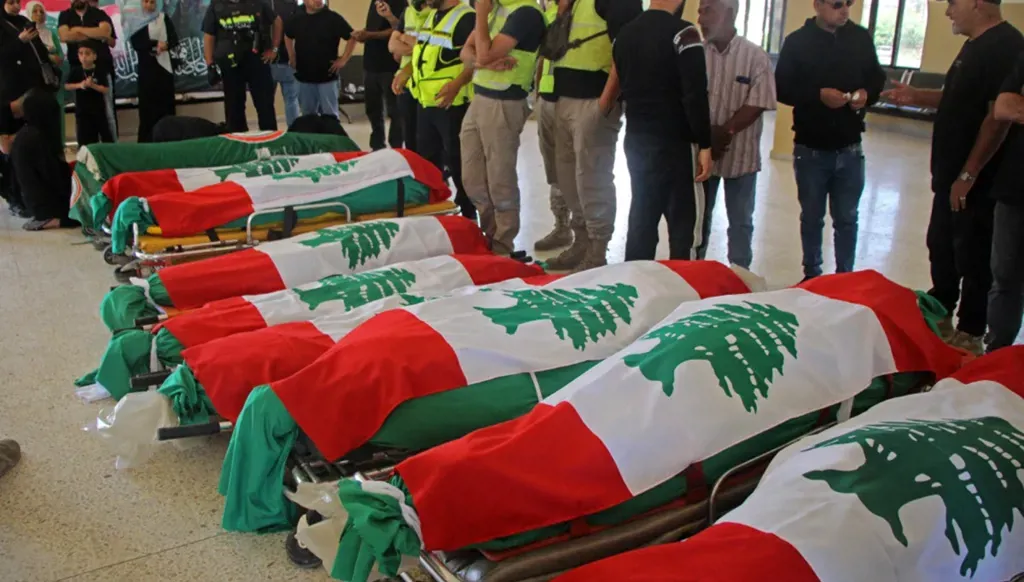


In the context of the recent Israeli escalation across all southern fronts, the past few days have seen a focus of air raids on the Mashghara, Sohmor, and Qaraoun road axis in the Western Bekaa region, where moving and parked vehicles as well as populated areas were targeted. The notable new development was the targeting of facilities belonging to the Litani River Authority, which is responsible for overseeing the historic Qaraoun Dam and the agricultural irrigation and hydroelectric power projects and assets branching from it.
Naturally, targeting the area itself may not appear to be an unprecedented event, as during both the past and current wars there have been attacks and air raids on Mashghara, Sohmor, Yohmor, Libbaya, and other nearby towns that are effectively within the geographical scope of Western Bekaa and Rachaya.
According to preliminary estimates, the destruction resulting from those raids on these towns, particularly the neighboring Mashghara and Sohmor, has reached around 60 percent of their homes and buildings, which is comparable to what has occurred in coastal southern towns.
It is evident that the development causing concern and raising fears was the targeting of the surroundings of Lake Qaraoun, where Israeli drones struck cafés and tourist facilities around this artificial lake and the road connecting it to Sohmor and Mashghara, in addition to passing and parked vehicles and army positions. This resulted in civilian casualties and the martyrdom of members of the army. This situation has led to questions about the hidden dimensions behind this Israeli action, especially regarding its relationship to the ongoing field developments on the southern fronts, which are witnessing as is known a ground advance by Israeli forces toward Nabatieh and Tyre in an attempt either to reoccupy them or to encircle and isolate them, in addition to repeated attempts to advance toward the town of Hadatha in the vicinity of Bint Jbeil, in the eastern sector.
Regarding these questions, retired Brigadier General Elias Farhat responds by saying: “There is no doubt that the Israeli focus on towns in the Western Bekaa in this manner is striking and noteworthy, especially since this region has a strategic feature. It is a natural extension of the heated southern battlefield, as Israel deals with it as one of the main routes leading to the south, while it is also one of the key gateways to the Western and Central Bekaa, extending to the Lebanese Syrian border. Historically, it has represented one of the defensive lines of Damascus due to its proximity.”
Despite this, Farhat adds, “There are no field facts or indicators suggesting that the Israeli leadership is currently considering an invasion of this geographical sector, at least for the time being.”
He added: “The intensity of the raids on towns and villages in this sector may be part of the war on the environment surrounding Hezbollah wherever it exists, with the aim of destroying it, erasing manifestations of life there, and turning it into a scorched area. However, in our assessment, Israel is concentrating its military effort on three other axes to achieve rapid field progress and change realities on the ground at a high pace, namely:
- The Zawtar–Nabatiyeh axis.
- The Bayadah–Bayyut al-Syad, Mansouri in southern Tyre axis.
- The Hadatha axis in the Bint Jbeil sector.”
In response to a question, he said: “In the 1982 invasion, Israel bypassed the city of Tyre and advanced directly toward the Litani River and beyond before later reaching Beirut.”
The question here is: will Israel repeat the same experience this time if it succeeds in advancing toward the outskirts of the city? It is also clear that the Israeli focus is on the Zawtar–Nabatiyeh axis. According to our information, it succeeded over the past hours in entering Zawtar al-Sharqiya, but has not yet consolidated its position there. We do not rule out that it is aiming to enter Nabatiyeh or to encircle and isolate it, and it is no secret that it is facing fierce resistance.
As for the Western Bekaa, there are no military buildups suggesting that Israel intends, through its destructive bombardment of some towns in that area, to carry out an incursion or advance into it later on. The Israeli view of this area is now linked to developments on the southern front.
Farhat concludes that “Israel has in practice sent field messages indicating that it has grown weary of some of the red lines previously imposed on it by the US administration or that it had imposed on itself. Therefore, the recent focus on the Western Bekaa and the shelling of areas in the Central and Northern Bekaa are part of those Israeli messages to whom it may concern in Washington, Beirut, or Tehran.”
Disclaimer: The opinions expressed by the writers are their own and do not necessarily represent the views of Annahar