






 واتساب
 يوتيوب
 انستغرام
 نبض
نبض
 ثريدز
ثريدز
Decoding Trump’s America First Policy



شارك على
 مسنجر
مسنجر
 بريد إلكتروني
 الطباعة
شارك على




Emmanuel Elias
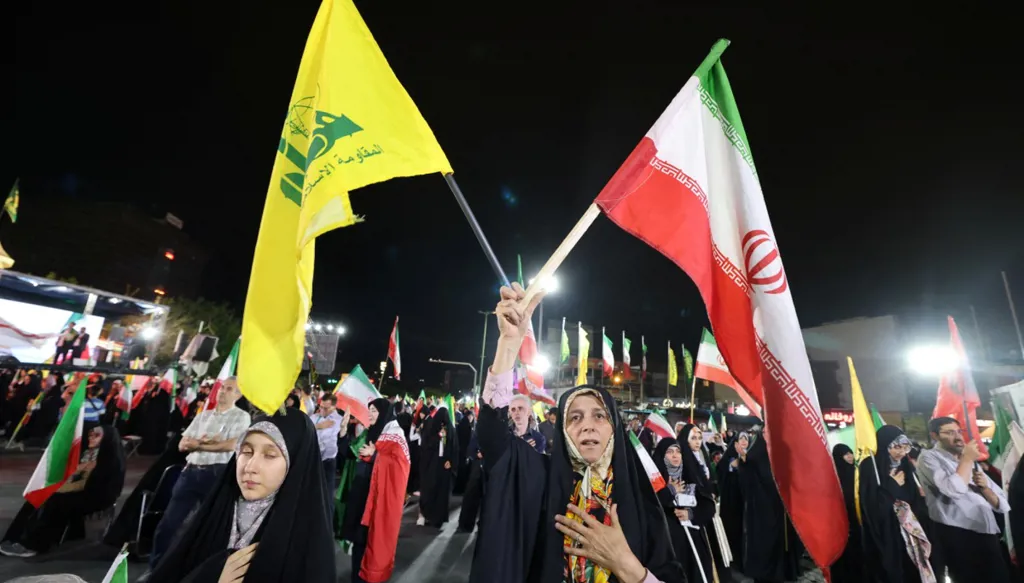
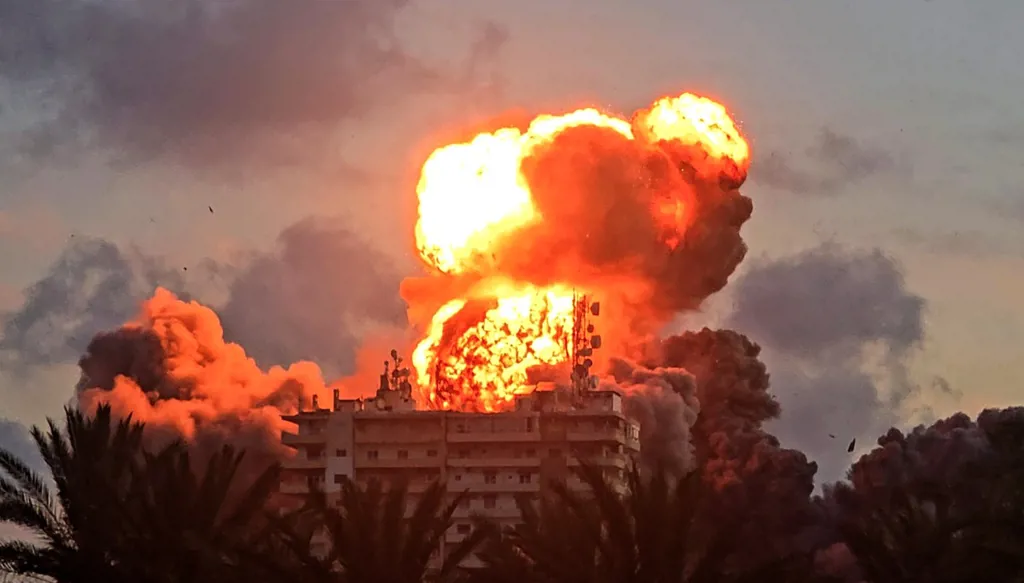
Prospects over regime change in Iran have yielded significant attention since the beginning of the war between the Islamic Republic and the US. However, the development of the course of events during the war proved to be directed toward a different path. While many described this deviation as a clear US failure in the war, it is noteworthy to take a look at Trump’s real ambitions behind this conflict before assessing whether the declared goals were reached or not.
Trump’s come back to the white house marked a turning point in the US political landscape. His reelection cannot be described as a simple presidential succession or administrative transition. The man re-entered the White House waving a clear slogan: America First. While many interpreted this message as a retreat from US global engagement, the 15 months following his reelection proved to be otherwise: direct intervention in Venezuela to topple Maduro’s 13 years rule, repeated attempts to end the 4 years Russia-Ukraine war, heightened tensions with European partners over NATO’s very existence, conflicting claims over Greenland’s legitimate ownership, and finally, an outrageous war in the Middle East against Iran with devastating implications for the US Gulf partners. At first glance, these events seem to contradict the foundations of an “America First” approach. However, understanding Trump’s real ambitions requires a more holistic interpretation of events.
For the past decades, the world got used to an American superpower seeking assertive global reforms, especially in the Middle East. By “assertive global reforms”, it is meant: regime change. Ever since Ronald Reagan’s presidential mandate, the US officially embarked on a Freedom Agenda abroad to promote democratic values as a mean of countering Soviet expansionism. This role evolved under Bush to meet post-Cold War realities: democratizing a deeply divided and turbulent Middle East. This was later translated through the invasion of Iraq and Afghanistan, mainly triggered by the 9/11 attacks. As articulated by George Bush at the occasion of the 20th anniversary of the National Endowment for Democracy (November 6, 2003): “Sixty years of Western nations excusing and accommodating the lack of freedom in the Middle East did nothing to make us safe, because in the long run, stability cannot be purchased at the expense of liberty.”
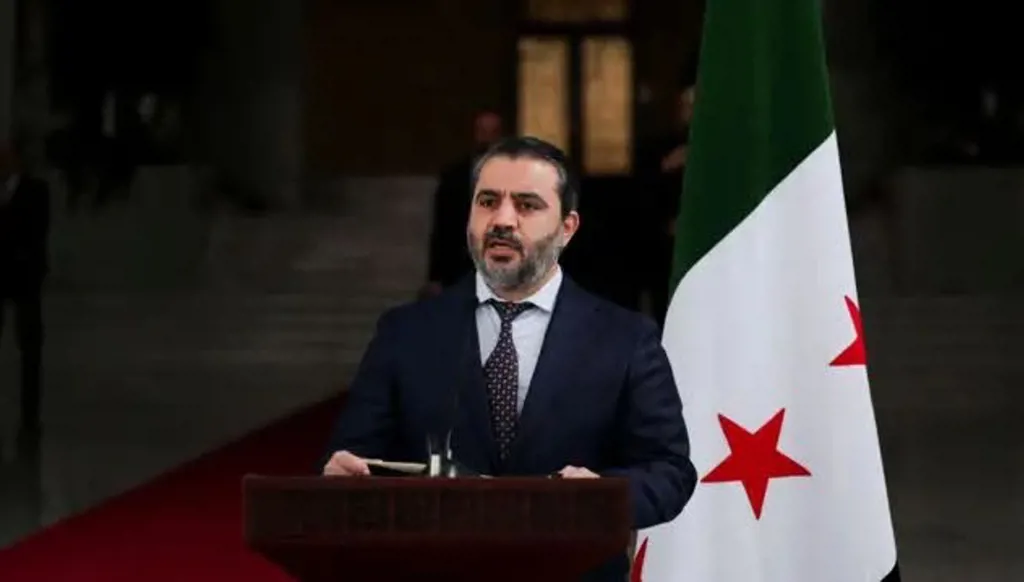
However, Donald Trump does not seem to agree with his predecessors’ approach. While Bush prioritized democracy at the expense of stability, Trump tends to pivot toward stability at any cost. This was apparent in Syria, with the historical visit of Ahmad Al Sharaa to the White House. The irony does not solely lie in Al Sharaa’s visit to Washington. It is noteworthy to mention that the man was previously designated as a terrorist commander indicted by the US government. Despite such serious accusations, all economic sanctions were lifted paving the way for a new bilateral path between both countries. Similarly, despite Maduro’s regime being considered as a serious threat to the US, Trump preferred to replace Maduro rather than toppling the whole Venezuelan regime, noting that Delcy Rodriguez (former vice president and current president of Venezuela) does not significantly diverge from Maduro’s approach. These events undoubtedly underscore two clear realities: First, they reinforce the notion that Trump is a man of deals. Second, they reflect a clear US departure from its previous role as a democratizing force.
Building upon that, it becomes predictable that regime change in Iran does not reflect Trump’s end goal from this war. While regime change may be perceived as a generally acceptable outcome, Trump’s approach is rooted in a cost-benefit calculation; aiming to maximize gains and minimizing costs. This approach aligns with his broader “America First” strategy which sidelines costly nation-building strategies adopted by previous American presidents. Consequently, any potential deal that will obligate Iran to halt its ballistic capabilities, cut financial and military support for regional proxies, and cancel its nuclear program will eventually be considered acceptable by the US. Humanitarian barriers constitute a minor concern in Trump’s view: he does not care if minorities in Syria are being oppressed, people in Venezuela are suffering from political coercion and corruption, or women and children in Iran are starving to death because of their oppressive regime. In the end, regime change is far from being an external fabric. It results from the interplay of domestic and external factors which have not materialized yet in today’s context with the clear absence of a serious, widely accepted and well-organized opposition in Iran. Therefore, framing any potential deal between the US and the current Iranian regime as a “US Failure” reflects a clear analytical inaccuracy.
Trump understood what the world has misinterpreted: that a state’s ability to achieve its goals does not lie in its moral ability to justify it. Rather, it is rooted in its power to impose it at any cost.

العلامات الدالة
الأكثر قراءة