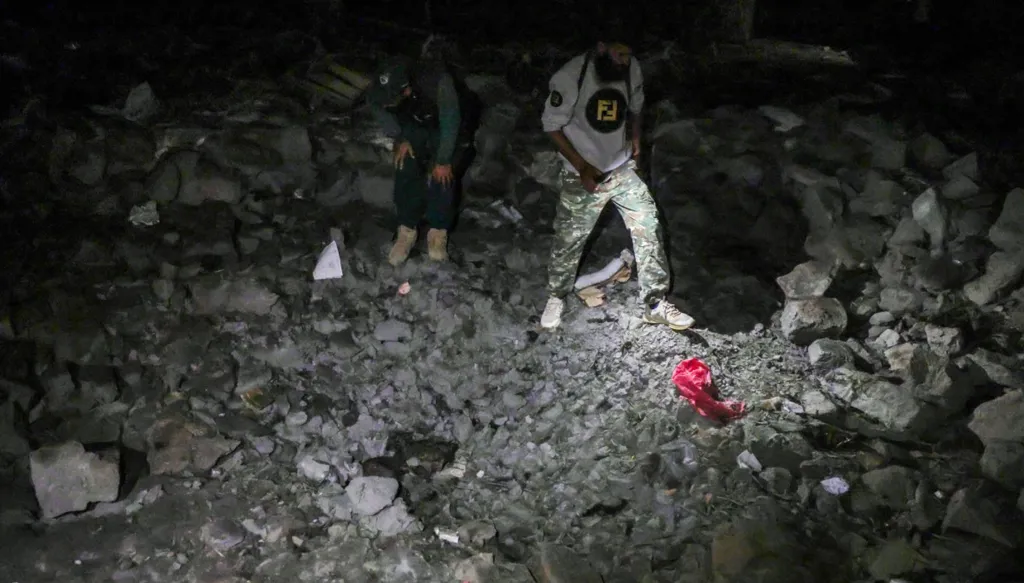
Iran launched new missile and drone attacks on Gulf states and ordered evacuations at major UAE ports as the war with the U.S. and Israel enters its third week, raising fears over regional escalation and security in the Strait of Hormuz.
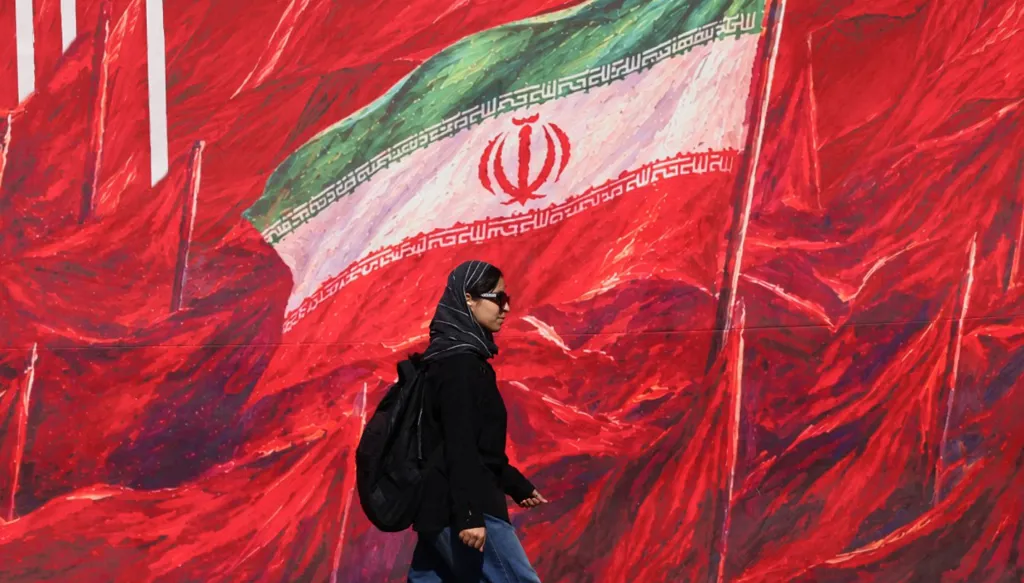
The rule of the mullahs is not an eternal fate, but it is also not a fragile structure waiting for a breeze. Its endurance depends on its ability to understand society, not on its ability to silence it.
Hezbollah’s leader says Israel started the war, accuses it of ongoing violations, and vows resistance will continue while criticizing Lebanon’s government on weapons policy.
In times of war, missiles may be launched to change realities, but the UAE has proven that true strength lies in remaining a safe haven in a turbulent world and in turning every crisis into a new testament to the nation’s resilience and the world’s trust in it.
As speculation grows over a new Israeli ground operation, military experts highlight strategic targets, Hezbollah strongholds, and the geopolitical stakes in Lebanon’s southern and border regions.
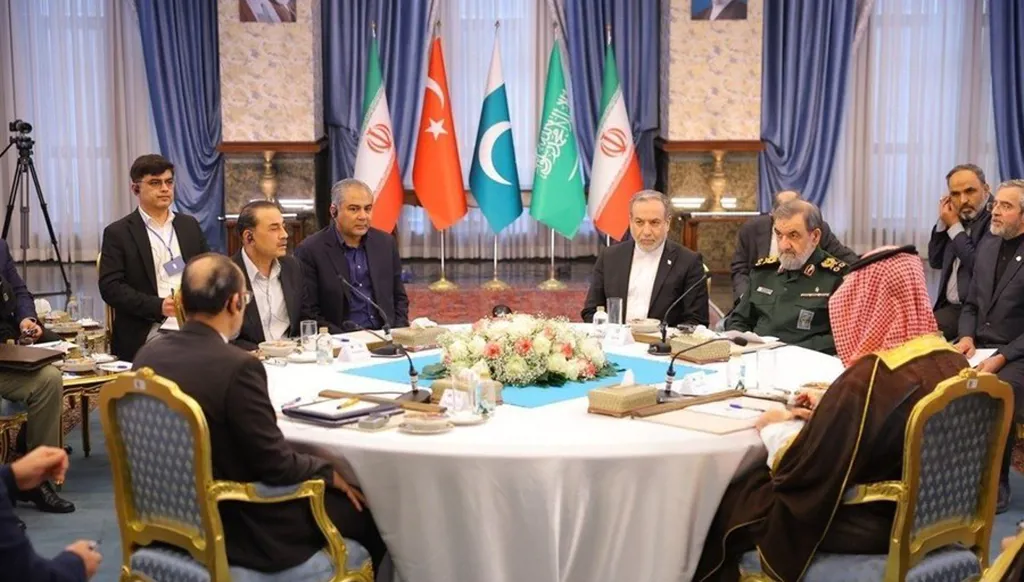
Riyadh reaffirms solidarity with affected countries and declares its security a red line as regional tensions intensify. Their rhetoric marks a departure as Gulf alliances face a shared threat.
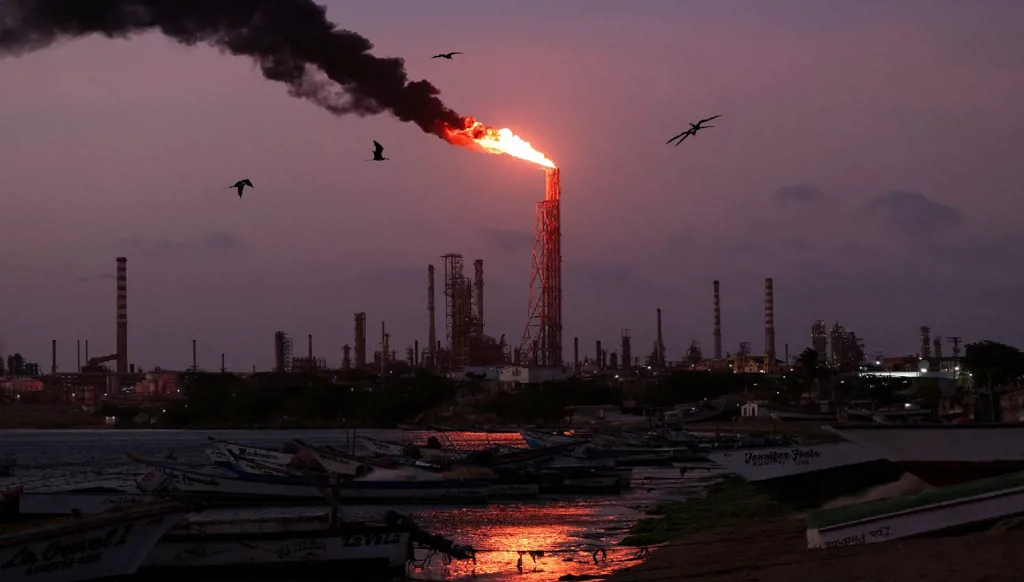
Brent crude hit $82.53 today as United States and Israel continued strikes on Iran. Iraqi output cuts and tanker disruptions have sparked supply fears worldwide.
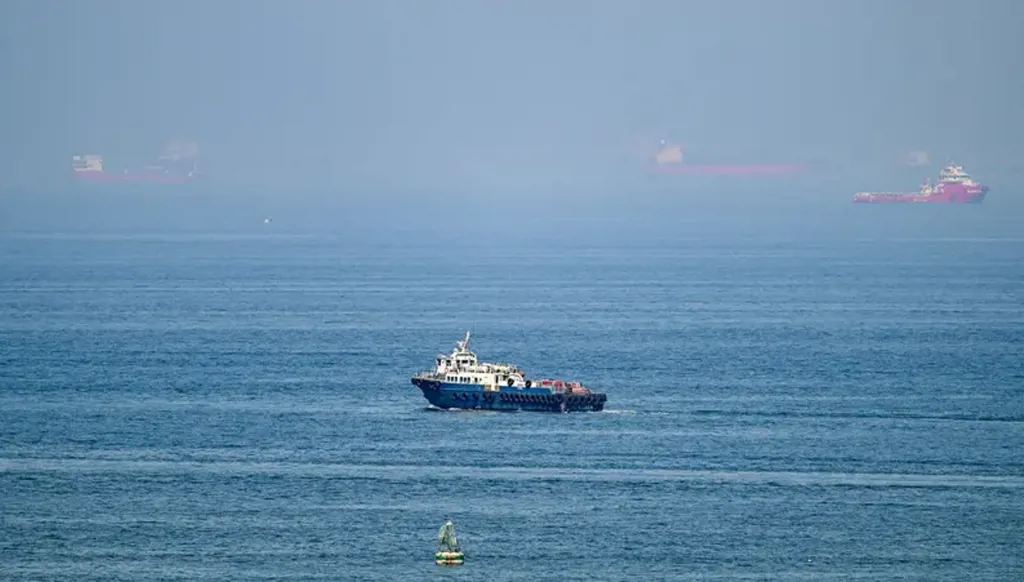
Iranian media has claimed control of the vital trade corridor as markets brace for impact. Traffic through the strait has already dropped precipitously since the outbreak of hostilities.
With over 20,000 flights canceled, passengers stranded throughout the Middle East, and surging jet-fuel prices—here’s how the crisis is reshaping international travel.
Geopolitical tensions in the Gulf and the Red Sea are disrupting oil flows, rattling currencies, stocks, and gold, and showing that global markets fear uncertainty more than immediate supply shocks.
Iran believes that closing the strait is a geopolitical military tactic that would cost it less in the course of the current war, by relying on tactics that are low in cost and high in ambiguity.
Iran’s control over the Strait of Hormuz and its attacks across the Gulf have sent global oil prices soaring, challenged U.S. military dominance, and exposed the vulnerabilities of the international energy system.
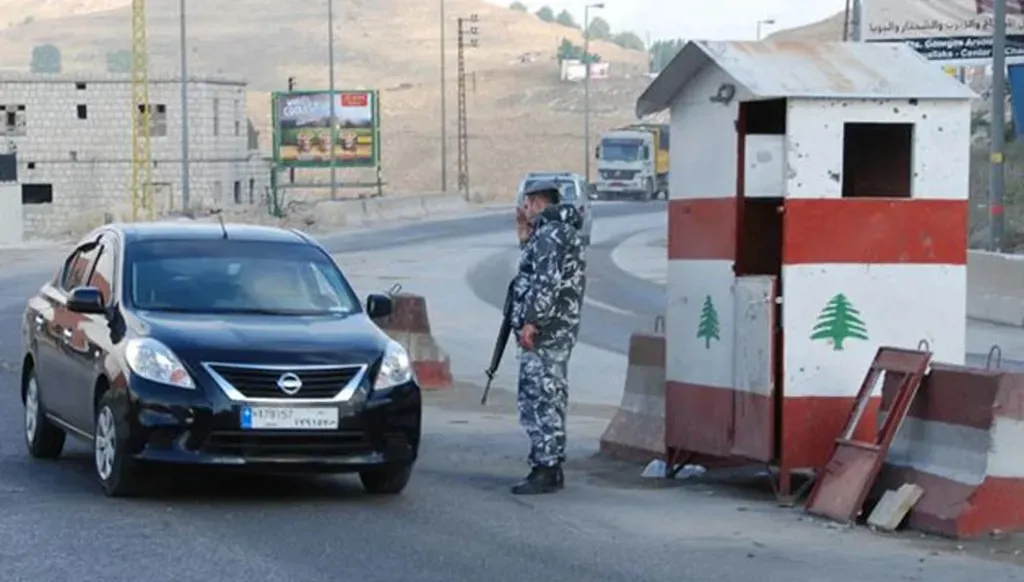
As Hezbollah drags the country into a deadly conflict with Israel, Lebanon’s army and institutions face unprecedented pressure, while fears of internal collapse rise.
From Ottoman collapse to modern conflicts, a century of wars, independence, and regional power struggles shaped the Middle East and continue to reverberate worldwide.
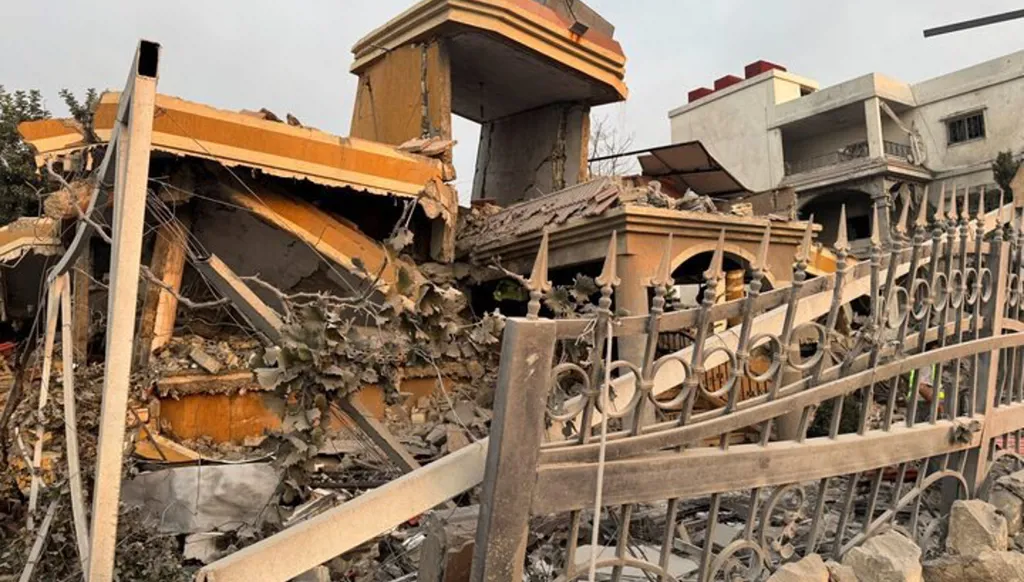
After a day of tense calm, Israeli airstrikes hit Beirut’s southern suburbs and multiple southern towns, while Hezbollah retaliates with rocket salvos, guided missiles, and drone defenses, escalating the conflict.
The plan envisions direct talks, phased Israeli withdrawal, and Hezbollah disarmament, aiming for a historic peace deal yet US leadership remains crucial for progress.
Iran launched new missile and drone attacks on Gulf states and ordered evacuations at major UAE ports as the war with the U.S. and Israel enters its third week, raising fears over regional escalation and security in the Strait of Hormuz.
French diplomacy intensifies as Macron backs Lebanon’s army, strengthens regional partnerships, and engages with Iran and Saudi Arabia to stabilize energy flows and security in the Middle East.
The Ukrainian president noted that the first group of Ukrainian military trainers arrived in the Middle East on March 9, 2026, and began training Gulf forces on how to deal with Iranian drones, including both attack drones and cruise missiles.
The party did not merely provoke an Israeli war against the country’s resources, cities, and villages; it placed the Lebanese state in a very weak position against Israel.
Hezbollah and Israel escalate their conflict with symbolic messages “Consumed Chaff” versus “measure for measure” as a massive rocket barrage intensifies both the battlefield and psychological war.
Iranian model Mahlagha Jaberi says the war in Iran is both deeply personal and potentially historic, expressing hope that mounting pressure on the regime could open the door to freedom for the Iranian people.
The long-awaited showdown between Floyd Mayweather Jr. and Manny Pacquiao returns this September at Saphir Hall, promising a historic clash broadcast live worldwide on Netflix.
With gyms destroyed and resources scarce, Palestinian children train amid tents and rubble, finding strength, discipline, and hope in the midst of war.