Trump’s nuclear ultimatum: Iran, Israel, and the high-stakes battle over the Middle East

Opinion 17-02-2026 | 12:04

Trump’s nuclear ultimatum: Iran, Israel, and the high-stakes battle over the Middle East

As renewed US-Iran negotiations hit critical deadlines, Tehran tests Trump with economic incentives, while Israel ramps up its covert campaigns—revealing a complex struggle that could reshape the region. 

Trump’s nuclear ultimatum: Iran, Israel, and the high-stakes battle over the Middle East
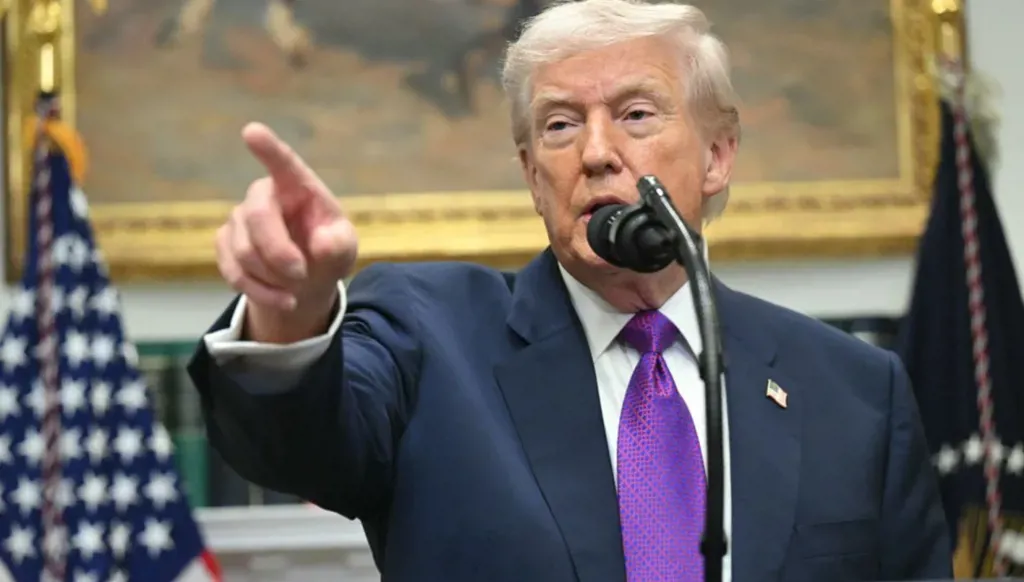
Trump gave Iran’s leadership just one month for renewed negotiations to yield an agreement. (AFP)
Smaller Bigger

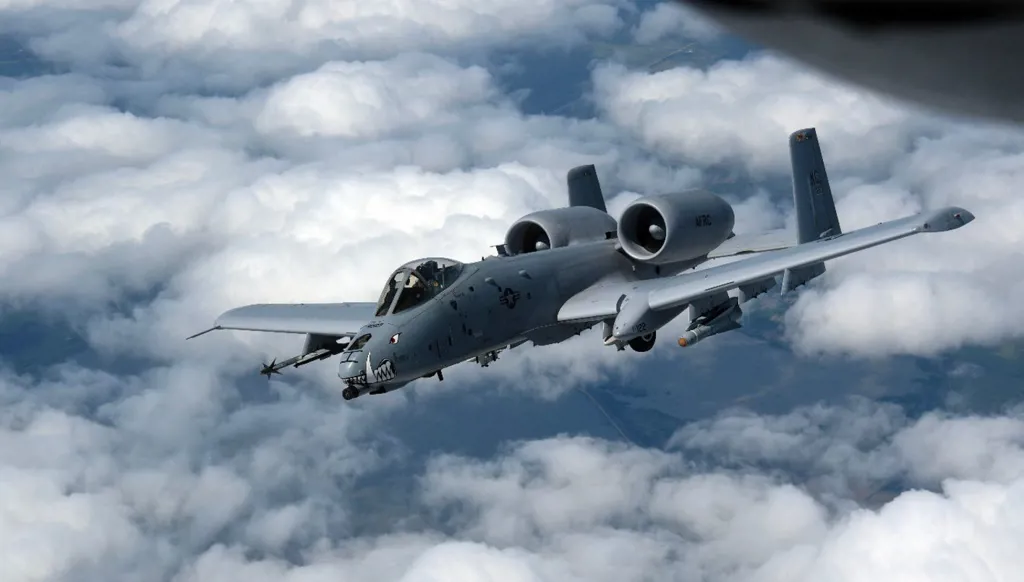
When US President Donald Trump gave the Iranian leadership a sixty-day ultimatum to reach an agreement through bilateral negotiations, no one anticipated that, on the sixty-first day, he would order the US military to launch a powerful aerial strike using strategic destroyers on Iran’s nuclear sites.


This time, Trump revived the same scenario but with an even shorter deadline, giving the Iranian leadership only one month for renewed negotiations to produce an agreement. As of today, a full week has passed since that deadline.


The end of Trump’s new deadline coincides with the time it will take for a second US aircraft carrier to reach the Middle East after departing from the Caribbean, where it participated in a military operation in Venezuela that ended with the arrest of President Nicolás Maduro and his extradition to New York for trial.


It appears that Iran is taking US warnings seriously, attempting to give Trump a victory on the nuclear issue along with economic benefits, betting that his weakness has always been, and remains, economic interests.


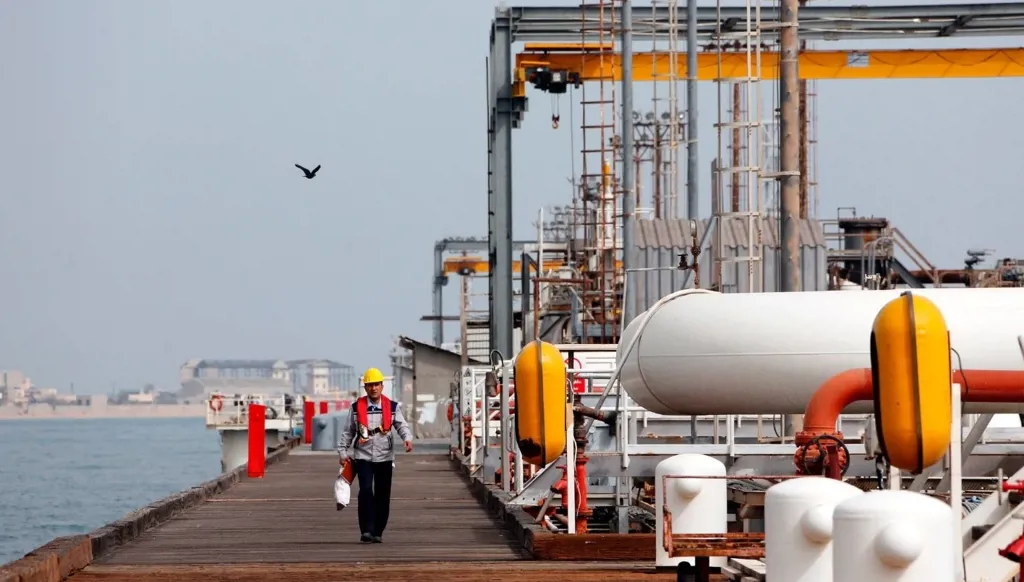
This is not the first time Iran has attempted to "bribe" Trump with economic interests, as it had previously offered him the benefits of Iran’s "rare earths" before he bombed its nuclear facilities—resources that would have aided him in the race for minerals linked to modern technology, potentially providing his country with revenues exceeding a trillion US dollars.


By doing so, the Iranian leadership is trying to avoid the “impossible concession” so far in its ballistic missile program, considering that the massive air superiority of its enemies and neighbors can only be countered by the destructive capabilities of its ballistic missiles, which it aims to double.


If Iran succeeds in this plan, it would mark the first time it has managed to separate American interests from Israeli interests. 


The Israelis understand this, and with support from their lobby in Washington, they have launched a political and media campaign targeting Trump’s credibility, making sure that not a day passes without reminding him of his promises to the Iranians—promises made when he urged them to take control of institutions and register the names of their oppressors, with the assurance of American support. Many who responded positively to this promise paid a heavy price, either through field executions or arrests.


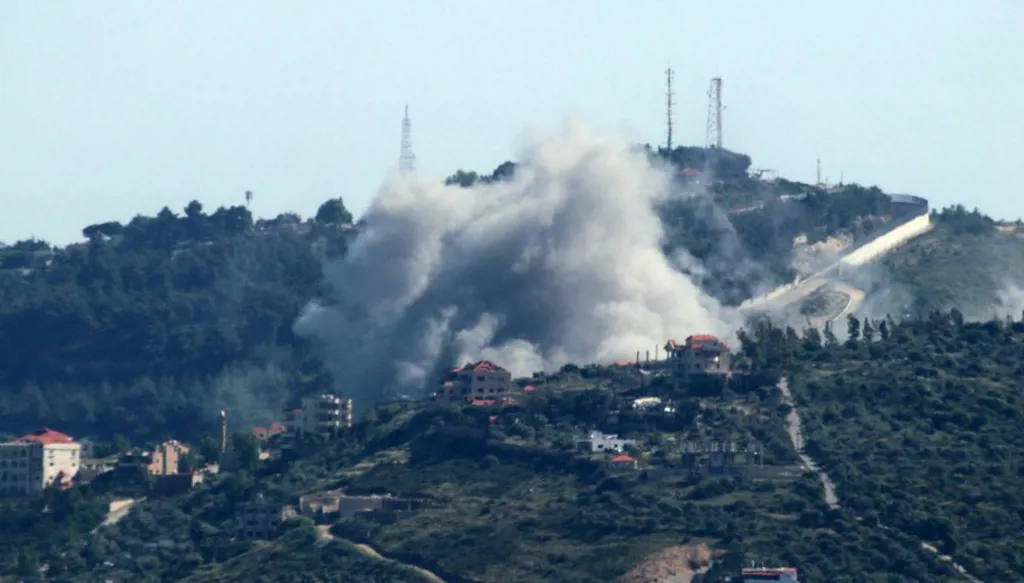
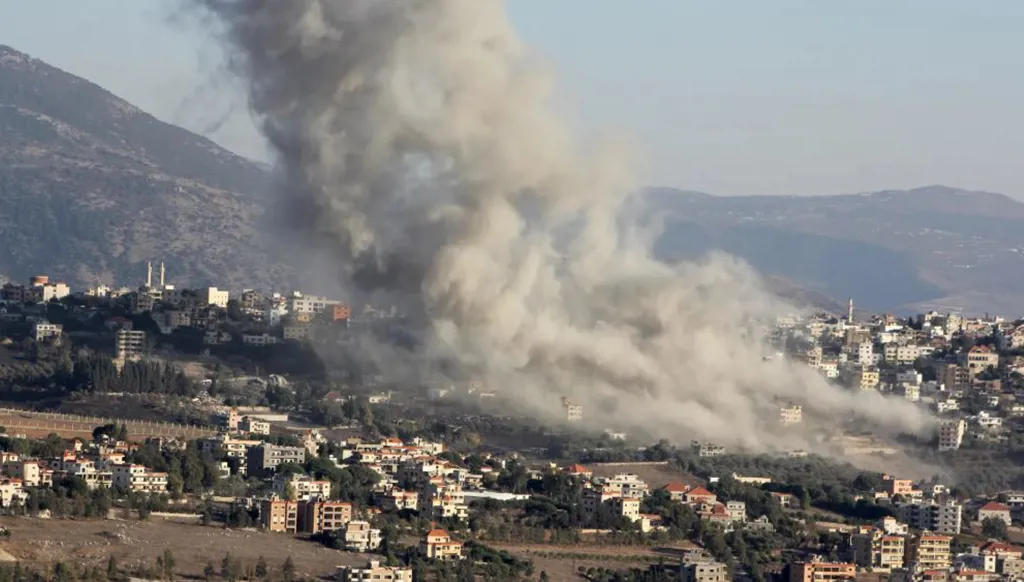
Israeli Prime Minister Benjamin Netanyahu, by moving his visit to Washington up by two weeks, sought to dissuade Trump from settling for an agreement focused solely on the nuclear issue. He wants to include a crucial matter—the ballistic missile program. While he publicly frames it as regional "proxy" conflicts, he has, with Washington’s understanding, found a way to target these "proxies" in Lebanon and Syria, turning them into sovereign and security issues for both countries.


It is true that Trump hardened his tone against Iran after his meeting with Netanyahu, expressing his desire to see the fall of the Iranian regime. However, it is also true that he did not expand his demands on Tehran, keeping his focus limited to the nuclear issue.


Those who follow the internal political conflict in the United States recognize that Trump’s confrontation with former President Barack Obama is at its peak. Therefore, the current president’s unstated goal may be to achieve a more stable, stronger, and more robust nuclear agreement than the one Obama signed and that Trump later tore up.


What supports Trump in this approach is the region. At that time, the Gulf states opposed Obama’s nuclear agreement for reasons different from those that angered Israel. In a strategic landscape radically different from today, everyone believed that Obama’s deal with Iran would strengthen its regime and allow it to continue its struggles, directly or through its proxies in Yemen, Iraq, Lebanon, and Syria. As a result, Trump’s decision to tear up the agreement was widely welcomed. Today, the situation has changed, with all of Washington’s allies—except Israel—favoring a new agreement with Iran.


If Iran’s intentions are genuine in making real concessions on the nuclear issue, combined with economic incentives, Trump will likely agree to a deal, as reflected by the appointment of both Steve Witkoff and Jared Kushner to manage the negotiations.


How will Israel respond?

To date, Trump has asked Netanyahu to step back and leave the leadership to him. Some believe that the US president’s eagerness to pardon Netanyahu is merely an attempt to separate the broader regional conflict and the specific struggle with Iran from his internal political battles, assuming that Netanyahu would breathe a sigh of relief if he were cleared of his judicial cases.


Hence, if Trump insists on moving toward a strong agreement with Iran, Israel will have no choice but to intensify its campaign against Iran’s proxies in the region, while ramping up intelligence operations to hinder progress in Iran’s missile program.


Disclaimer: The opinions expressed by the writers are their own and do not necessarily represent the views of Annahar.

العلامات الدالة

الأكثر قراءة

كتاب النهار 2/16/2026 1:17:00 PM
أسباب الحملة مجهولة حتى الساعة، أو على الأقل مني شخصياً، اللهمّ إلّا إذا كان التنافس الماروني المريض تحركت غرائزه باكراً وبدأ الحاكم يعدّ العدّة للانتقال بعد سنين إلى قصر بعبدا...
اقتصاد وأعمال 2/16/2026 3:33:00 PM
ترى المصادر أن المرحلة الراهنة تفرض موازنة دقيقة بين العدالة الاجتماعية والانضباط المالي.
اقتصاد وأعمال 2/17/2026 7:18:00 AM
إليكم الجدول الجديد لأسعار المحروقات اليوم بعد مقررات الحكومة أمس الإثنين. 
سياسة 2/16/2026 9:29:00 PM
أقرّ مجلس الوزراء تفرّغ أساتذة الجامعة اللبنانية، وستة رواتب إضافية، وزيادات ضريبية، وتعيينات جديدة.