Hezbollah’s choices and Iran’s weak hand: The regional crisis unfolding
From Lebanese-Syrian border tensions to U.S.–Iran talks, the region faces a volatile mix of strategy, threat, and negotiation.



شارك على
 مسنجر
مسنجر
 واتساب
 ثريدز
ثريدز
 بريد إلكتروني
 الطباعة
شارك على




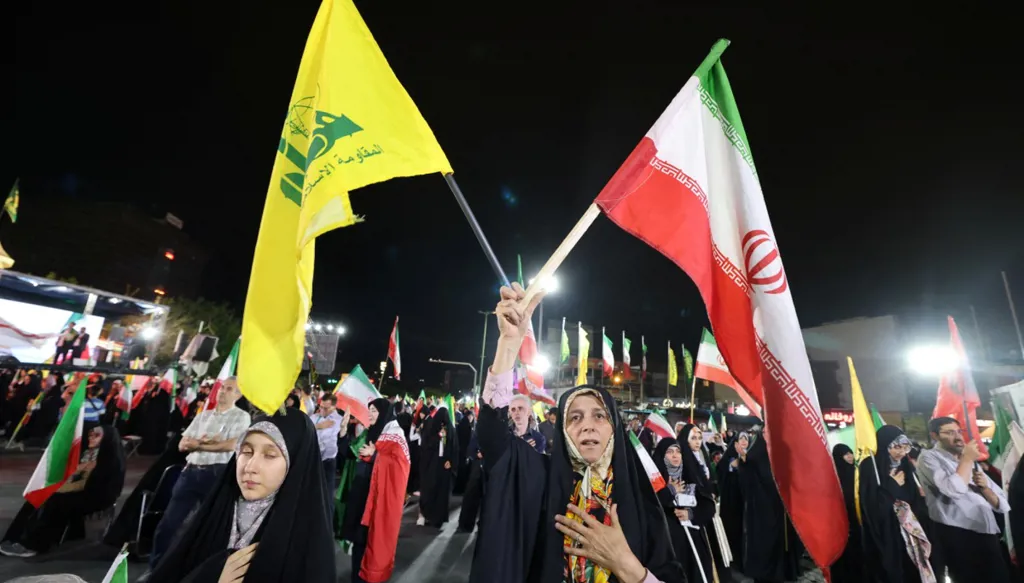
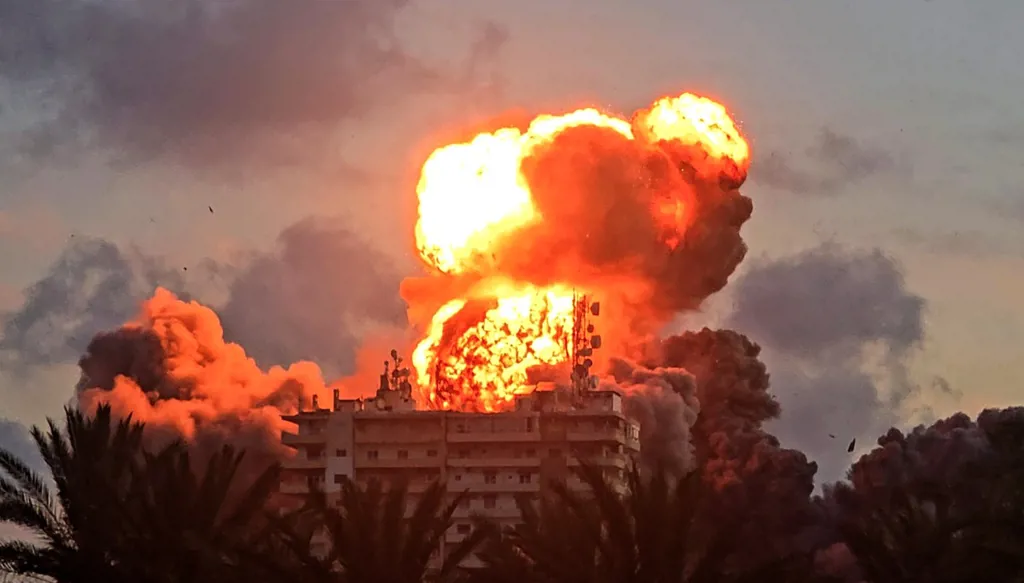
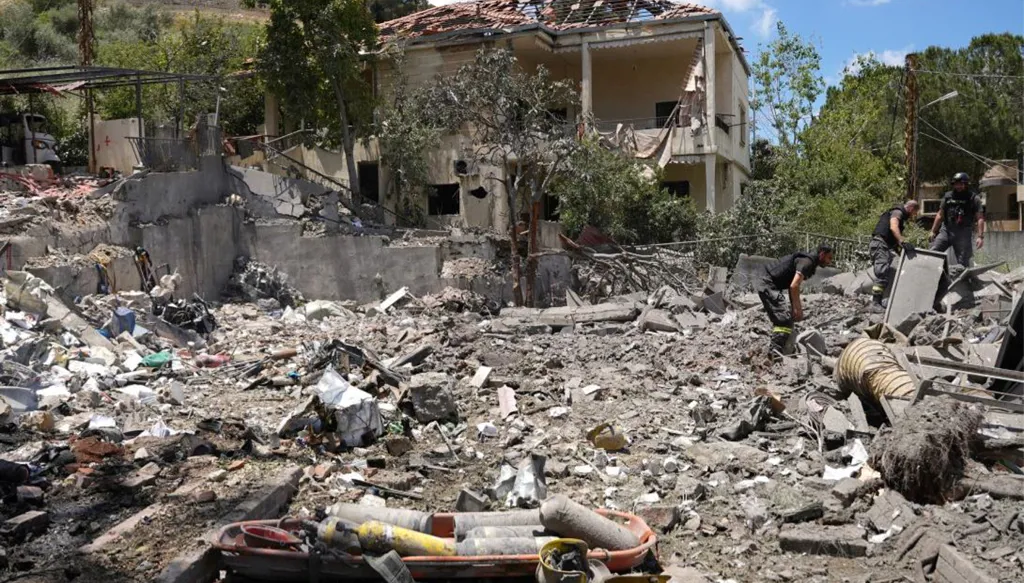
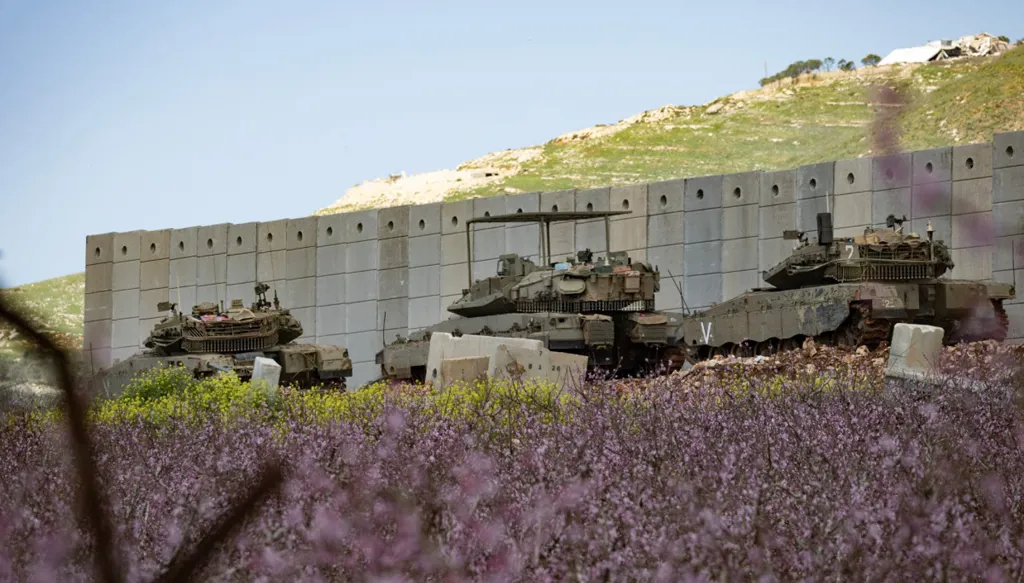
The recent Israeli strikes on elements of Hezbollah in the south, as well as on other Islamic organizations at the Masnaa point, did not deviate from the "routine" established at the end of the 66-day war that Israel fought against Hezbollah. However, what has deviated from the bloody routine on Lebanese soil is the intensity of leaks that have persisted in recent days, suggesting that security events could occur on the Lebanese-Syrian border between military forces affiliated with the Syrian government and the mentioned party in Lebanon. This is in the context of the missiles and military equipment withdrawn by the party from the al-Qusayr area during the fall of the previous Syrian regime. It is said that these are located in the northern Bekaa area, and the Syrian side insists on retrieving them, as they are considered property of the Syrian army. The range of these missiles extends to the point of threatening Damascus from the northern or central Bekaa.
This issue could escalate dangerously in the coming days unless the party quickly hands over the missiles to the Syrian side. Furthermore, the role of the Lebanese state in this regard is crucial to prevent a major crisis by pressing the party to return the missiles and equipment requested by the Syrian side, so they can be restored to their rightful owners. This is especially important since the party holding them can no longer use them against Israel, after it has effectively withdrawn from south of the Litani River. Thus, the only party truly threatened is the new regime in Syria.
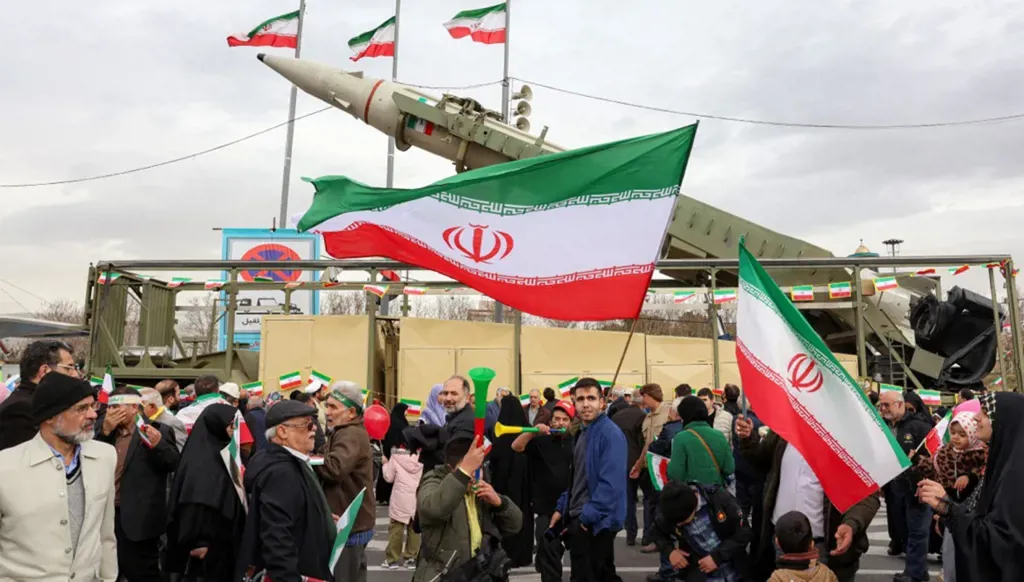
Elsewhere, attention must be given to the regional developments: the second round of negotiations between the United States and Iran will take place today in Geneva, amid a massive American military mobilization surrounding Iran from all directions. The main front of this buildup is spearheaded by the two aircraft carrier strike groups, Abraham Lincoln and Gerald Ford. Iran is aware that this buildup reinforces the credibility of American threats to deliver a crushing blow in the foreseeable future. The air bridge, which has been ongoing since mid-last month, has seen more than 170 flights of military transport planes, moving vast quantities of equipment and ammunition to the potential theater of operations in the region.
Iran understands that the threat of war under the current American President, Donald Trump, is real. Consequently, some aides of Iranian Deputy Foreign Minister Abbas Araghchi have begun leaking positions indicating Iran’s readiness to discuss the development of economic relations with the United States and to grant Washington a leading role in investment within the Iranian economy, in all sectors not considered strategic to the regime.
Hence, Tehran is using the card of economic incentives toward the United States to deflect the threat of an American attack, and, of course, to soften Washington’s conditions in the negotiations and steer them toward side topics. This, in turn, clearly indicates Tehran’s extremely weak position in the talks.
This situation should motivate Hezbollah to exercise greater wisdom and promptly accept the army’s plan in its second phase, without delay and without empty slogans that serve no purpose, before it’s too late and a major Israeli military operation could be launched early next spring.
Disclaimer: The opinions expressed by the writers are their own and do not necessarily represent the views of Annahar.

العلامات الدالة
الأكثر قراءة