Venezuela’s quiet return to center stage in U.S. energy strategy



شارك على
 مسنجر
مسنجر
 واتساب
 ثريدز
ثريدز
 بريد إلكتروني
 الطباعة
شارك على


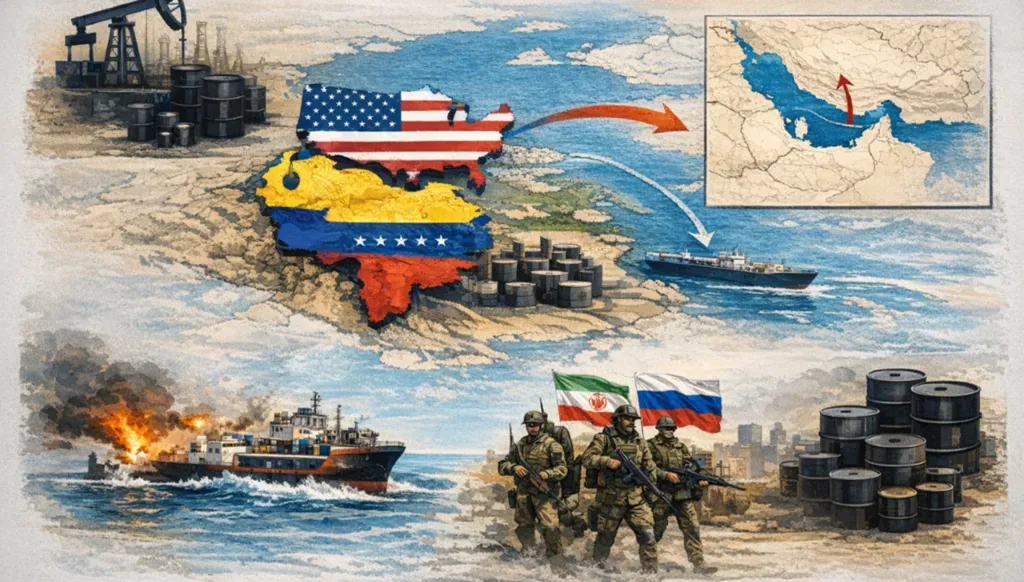


Amid the rapid geopolitical shifts expected in 2026, Venezuela is emerging as a focal point of strategic interest for the U.S. administration. While publicly stated slogans often revolve around democratic transition, the language of numbers and geography reveals deeper motives, organically tied to global energy security and hedging against scenarios of full-scale war in the Middle East.
1. Price control and breaking OPEC+ monopoly
Venezuela holds the world’s largest proven oil reserves, exceeding 303 billion barrels. U.S. control - whether through regime change or the imposition of economic guardianship - aims to flood the market with Venezuelan heavy crude, leading to:
Lowering global prices.
Undermining the ability of the 'OPEC+' alliance to control prices through output cuts.
Securing U.S. refineries.
Most Gulf Coast refineries in the US are technically designed to process heavy crude, which Venezuela specializes in producing, making it the ideal alternative to Russian and Iranian oil.
2. Doomsday scenario: closure of the Strait of Hormuz
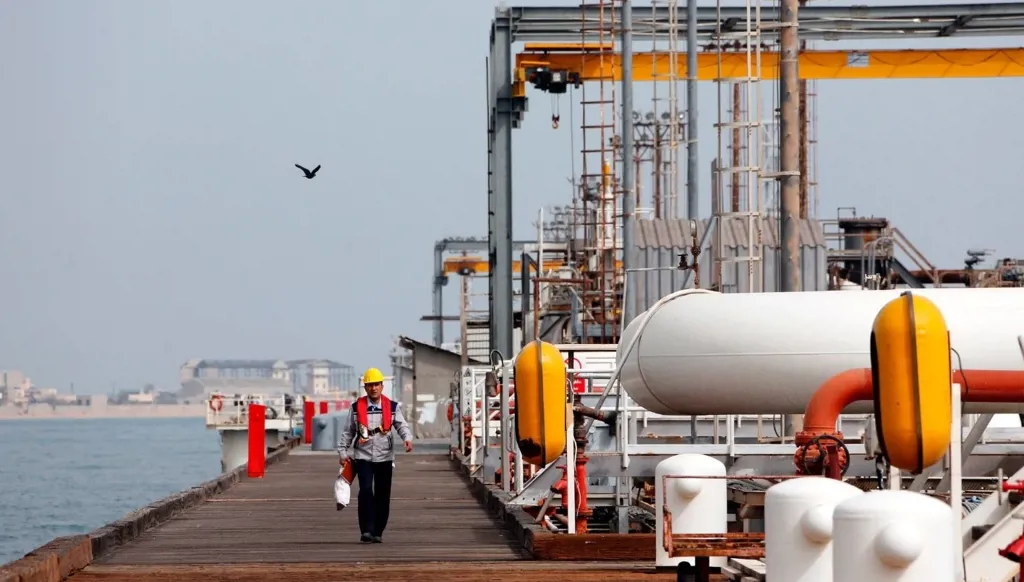
Washington understands that any direct confrontation between Israel and Iran would not remain confined to a narrow military scope, but would extend to oil tankers, as around 20% of global oil consumption passes through the Strait of Hormuz.
If Iran were to close the strait, the price per barrel could surge to record levels exceeding $150.
Venezuela as a safe geographical alternative
Venezuela is located in the "backyard" of the United States, far from the reach of Iranian missiles and the complexities of Middle Eastern maritime chokepoints. Controlling it would ensure oil flows across the Atlantic, an entirely secure route for tankers heading to the Americas and Europe.
3. Curbing Iranian-Russian influence in the Caribbean
Iran and Russia have succeeded in establishing a foothold in Caracas through military and energy cooperation. Washington sees control over Venezuela as a double blow:
Denying Iran a strategic ally and a center for circumventing sanctions.
Blocking Chinese and Russian investments aimed at turning Venezuela into an “energy base” hostile to Western interests.
The U.S. move toward Venezuela is not merely a transient political file, but a major hedging strategy. If the front between Tel Aviv and Tehran were to ignite, Washington would already have secured its “alternative oil reservoir,” ensuring the continued functioning of the Western economic engine without reliance on the Strait of Hormuz or the volatility of the Middle East.
By expert engineer Haidar Abdeljabbar Al-Battat
العلامات الدالة
الأكثر قراءة