The Gulf at the center of global energy and geopolitics
In an era of regional conflicts and global trade shifts, Gulf states are transforming from crude exporters into strategic architects of stability, leveraging logistics, sovereign wealth, and green energy to secure their central role in the global energy system.



شارك على
 مسنجر
مسنجر
 واتساب
 ثريدز
ثريدز
 بريد إلكتروني
 الطباعة
شارك على




The Gulf region represents the nerve center of the global energy system, with its hydrocarbon exports forming the backbone of industrial security in both Asia and Europe. As the third decade of the twenty-first century unfolds, the Gulf Cooperation Council (GCC) countries have faced a strategic environment marked by the overlap of direct military crises and profound shifts in the structure of international trade.
Managing the energy market in times of tension goes beyond adjusting production quotas within OPEC Plus. It also involves redesigning logistics routes, using sovereign wealth funds to absorb shocks, and accelerating the transition to green hydrogen as a guarantee of future energy independence.
Operational consequences of a Strait of Hormuz closure
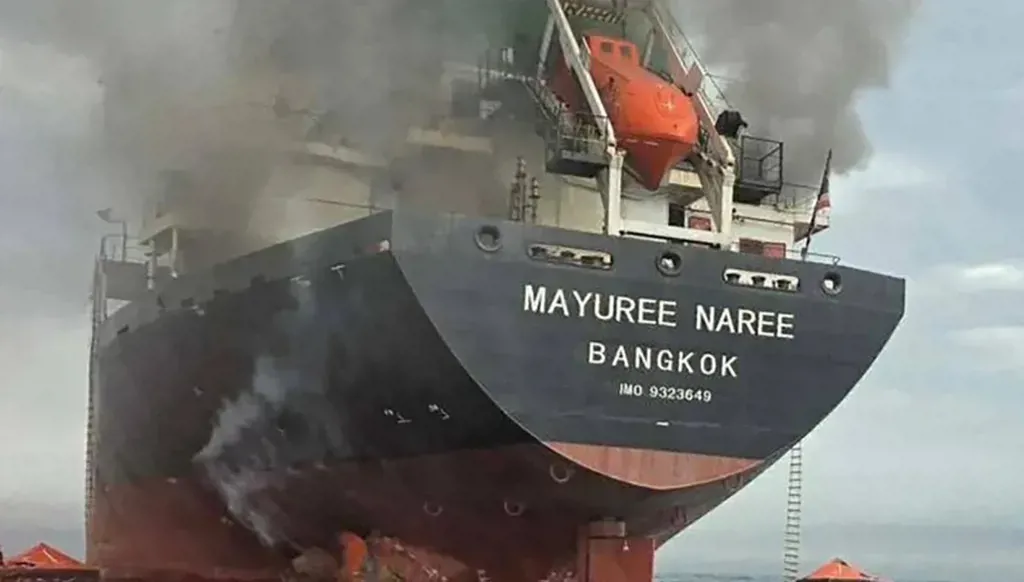
The ongoing threat of closing the Strait of Hormuz, through which about 21% of global petroleum liquids pass daily, has pushed markets into a state of heightened alert. Although the closure at the beginning of 2026 was not legally declared, operational activity “froze” due to security concerns. Transit through the strait dropped by more than 80% in early March compared to normal levels. This de facto closure, driven by operators and insurance companies, led to a complete halt in liquefied natural gas shipments and a sharp decline in crude oil deliveries.
The crisis prompted an unprecedented international response. The International Energy Agency (IEA) issued a historic release of roughly 400 million barrels from strategic oil reserves in March 2026 to try to contain prices, which had surged above $100 per barrel due to the supply disruption from the Gulf.
OPEC Plus strategies
In response to these fluctuations, the main Gulf countries, led by the United Arab Emirates and Saudi Arabia, relied on the OPEC Plus alliance as a central tool for stabilizing prices. When oil prices fell below $70 per barrel at times in 2025 due to abundant supply from outside OPEC and a slowdown in global demand, the alliance had to make decisive moves to maintain market balance.
The eight leading countries in the alliance—Saudi Arabia, Russia, Iraq, the UAE, Kuwait, Kazakhstan, Algeria, and Oman—adopted a cautious and highly flexible approach. In November 2025, they decided to extend the freeze on planned production increases for the first three months of 2026 in response to market fundamentals showing a seasonal decline in demand.
This strategy relies on two main pillars:
Operational flexibility: The ability to gradually restore the cut volumes (1.65 million barrels per day) or continue the suspension based on market developments. This gives producers the capacity to respond to any sudden supply shocks caused by geopolitical tensions.
Strict compensation system: A commitment to offset any excess production recorded since January 2024. This has strengthened the alliance’s credibility in international markets and ensured a fair distribution of responsibilities among its members.
Despite the financial pressures resulting from prices stabilizing at an average of $65 per barrel at certain times in 2025—a level insufficient to support the ambitious budgets of Gulf countries—the Gulf states chose to prioritize long-term market stability over temporary price gains that could trigger a collapse in global demand.
Redesigning Supply Chains: Shifting to Alternative Ports
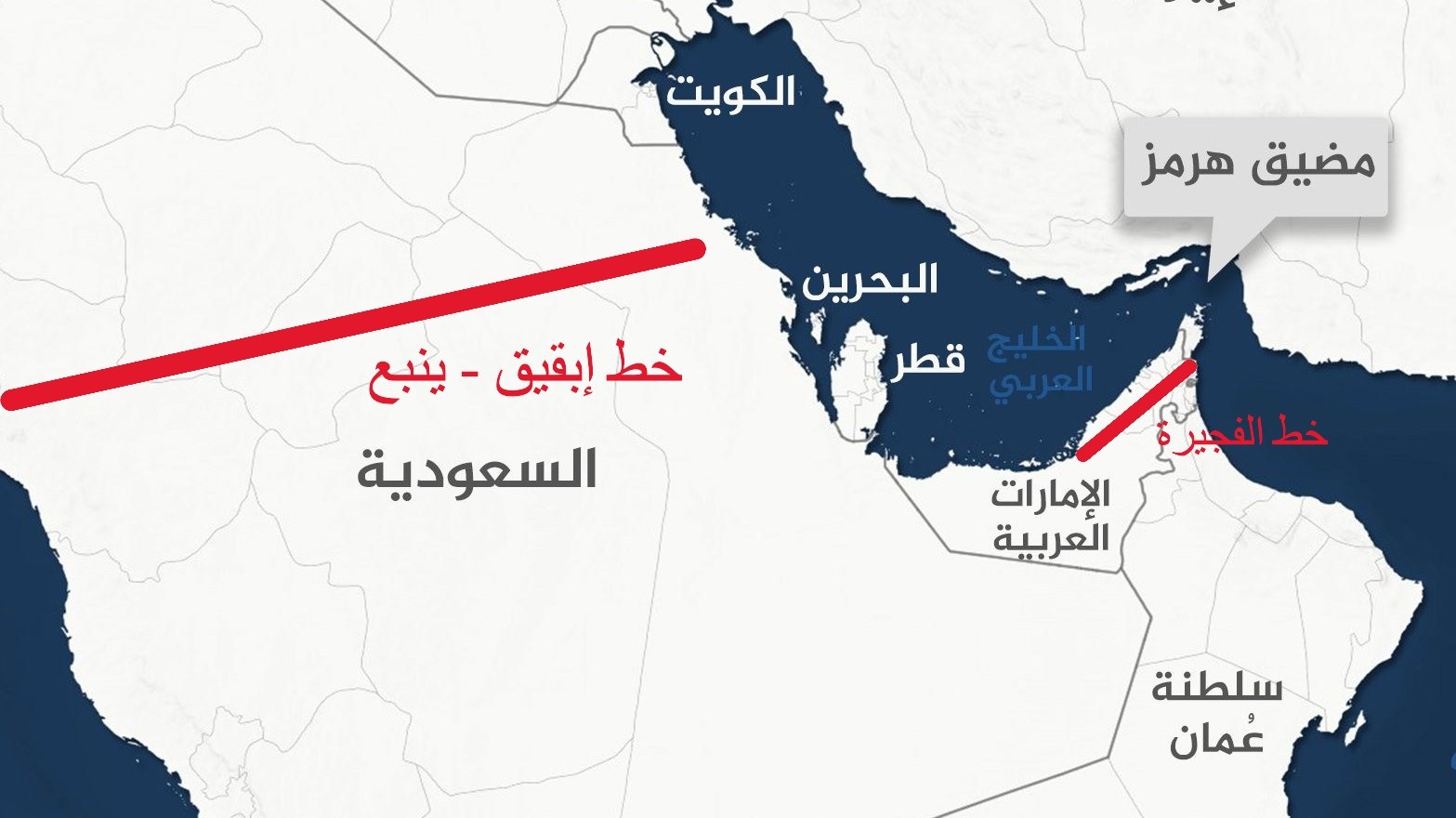
The Gulf states recognized that dependence on the Strait of Hormuz and the Bab el-Mandeb Strait poses a strategic risk in times of direct conflict. As a result, large-scale logistics plans were activated to redirect trade and energy routes toward safer coastlines, specifically the Red Sea and the Arabian Sea.
Due to the war in Iran, early 2026 saw a dramatic shift in global shipping: estimates indicate that around 250,000 containers and 70,000 vehicles were rerouted monthly to Saudi Arabia’s western ports, including Jeddah Islamic Port, King Abdullah Port, Yanbu, and NEOM. This shift was a direct response to disruptions in the Strait of Hormuz and the operational reassessment of major shipping companies such as MSC and Maersk.
This logistical shift imposes additional costs, as ships must take longer routes around the Cape of Good Hope, extending voyages to up to 75 days and significantly increasing insurance and fuel expenses.
Nevertheless, massive investments in Saudi Arabia’s western port infrastructure have allowed these ports to handle the sudden surge in traffic, contributing to the stability of essential goods supply chains across the GCC.
Amid volatile energy prices, Gulf sovereign wealth funds act as shock absorbers and as tools for achieving economic independence from oil price swings. With the assets of these funds reaching $15 trillion in 2025, their role in shaping the region’s economic future has become increasingly significant.
The Saudi Public Investment Fund led the global scene in 2025 with investments exceeding $36.2 billion, including major deals in the technology and gaming sectors. This ambitious spending aims to achieve the Vision 2030 target of $3 trillion in assets, with a special focus on artificial intelligence as a driver of future growth.
Collectively, Gulf sovereign funds invested around $66 billion in artificial intelligence and deep technology in 2025. This approach is not only about portfolio diversification but also about integrating AI into the management of the energy sector itself. AI applications in companies like Aramco and ADNOC have reduced maintenance costs by 40% and improved production efficiency in mature oil fields.
Despite the strength of sovereign wealth funds, Gulf finance ministries faced varied challenges in 2025 and 2026. While the United Arab Emirates recorded a fiscal surplus of around 5% of GDP, Saudi Arabia experienced a deficit due to heavy spending on mega-projects, prompting it to arrange a $13 billion syndicated international loan to support infrastructure development.
Meanwhile, Oman has shown improvement in managing public debt, which is expected to reach 36% of GDP by the end of 2026, supported by a budget based on a conservative average oil price of $60 per barrel.
Leadership in the Hydrogen Economy
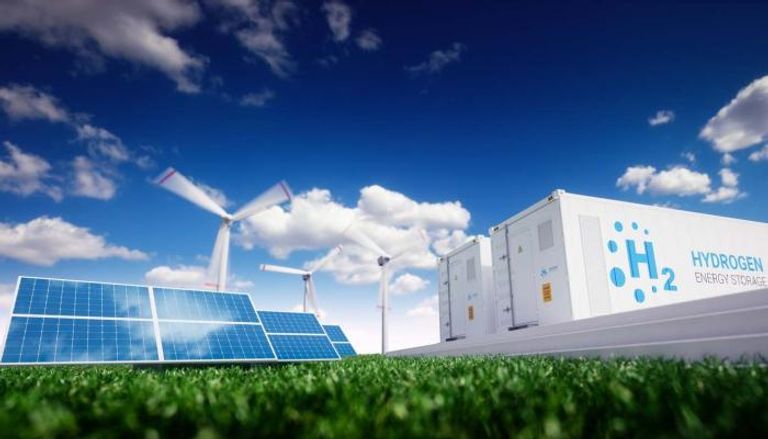
Renewable energy and green hydrogen projects form a core part of the Gulf states’ strategy for managing the energy market in times of tension. These initiatives not only provide a sustainable alternative but also create new export corridors that are not necessarily exposed to the same risks as traditional oil routes.
2025 saw the launch of historic deals that positioned the Gulf at the forefront of the global hydrogen race:
Masdar-Austria Partnership: The UAE’s Masdar became a partner in Austria’s largest hydrogen project, with a capacity of 140 megawatts and an expected start-up in 2027. This reflects the UAE’s ambition to build strong energy bridges with Europe.
Saudi-German Hydrogen Bridge: Signed in February 2025, this agreement establishes a corridor to export 200,000 tons of green hydrogen annually to European markets by 2030. The initiative strengthens Saudi Arabia’s role as a major supplier of clean energy and helps meet growing demand in Germany and across Europe.
NEOM Green Hydrogen Project: This flagship project, with a $5 billion budget, will be the world’s largest facility of its kind, aiming to produce 650 tons of hydrogen per day using 4 gigawatts of renewable energy by the end of 2026.
New Geopolitics: Managing Relations with Major Powers
Gulf energy management is directly influenced by changes in U.S. administrations and global trade tensions. With Donald Trump’s return to the White House in 2025, the region faced a new reality characterized by trade protectionism and tariff impositions.
Instead of taking sides, Gulf states—particularly the UAE and Saudi Arabia—chose to play the role of “strategic mediator” and “economic driver.” This approach included strengthening ties with Asia (trade volumes with Asia grew by 8.2% in the first half of 2025, focusing on logistics corridors connecting the Gulf with ASEAN and China), participating in the India-Middle East-Europe corridor, and activating diplomatic mediation. Oman and Qatar played pivotal roles in reducing tensions between the United States and Iran, as well as in Gaza and Ukraine, recognizing that sustainable economic diversification depends on peace and security.
Economic Outlook and Future Policies
Despite geopolitical disruptions, Gulf economies have shown remarkable resilience, driven by structural reforms and digital transformation.
The International Monetary Fund raised its growth forecast for GCC economies to 3.9% in 2025 and 4.3% in 2026, supported by increased investment spending and expansion in non-oil sectors. The UAE and Saudi Arabia lead this momentum, with the UAE expected to grow by 4.8% in 2025 and Saudi Arabia by 3.8–4%.
For Gulf economic policies to succeed in the future and strengthen their ability to manage energy markets even amid crises and regional conflicts, it is essential to build financial buffers against oil price volatility, enhance central bank independence to control inflation—which has remained under control thanks to prudent monetary policies—and accelerate digital transformation. Integrating artificial intelligence into small and medium enterprises will create new jobs and offset the gaps caused by automation of traditional roles.
In conclusion, the Gulf states’ strategy for managing the energy market in times of tension reflects political and economic maturity. These countries have transformed from mere “crude exporters” into “engineers of global stability,” leveraging a combination of soft power (diplomacy), financial power (sovereign wealth funds), and logistical power (alternative ports). This strategy secures their central role in the emerging international order shaped amid regional crises.

العلامات الدالة
الأكثر قراءة
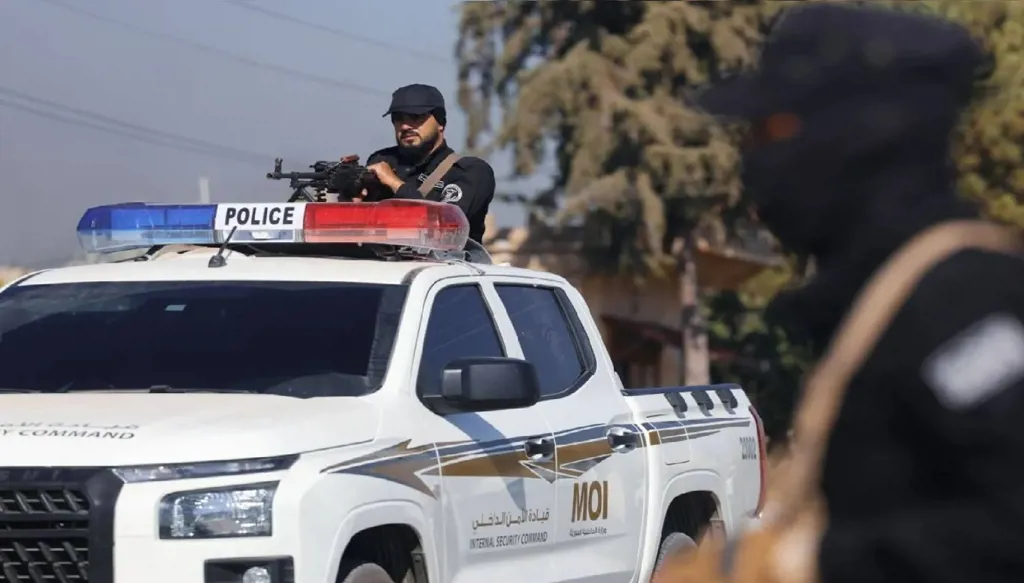
أثناء إيقاف زهر الدين على أحد الحواجز الأمنية وبعد كشف هويته، أقدم على سحب سلاحه وإطلاق النار على نفسه منتحراً خشية إلقاء القبض عليه، فيما تم إلقاء القبض على الشخص المرافق له في السيارة.