Between rumors and reality: The Lebanese-Syrian border in focus
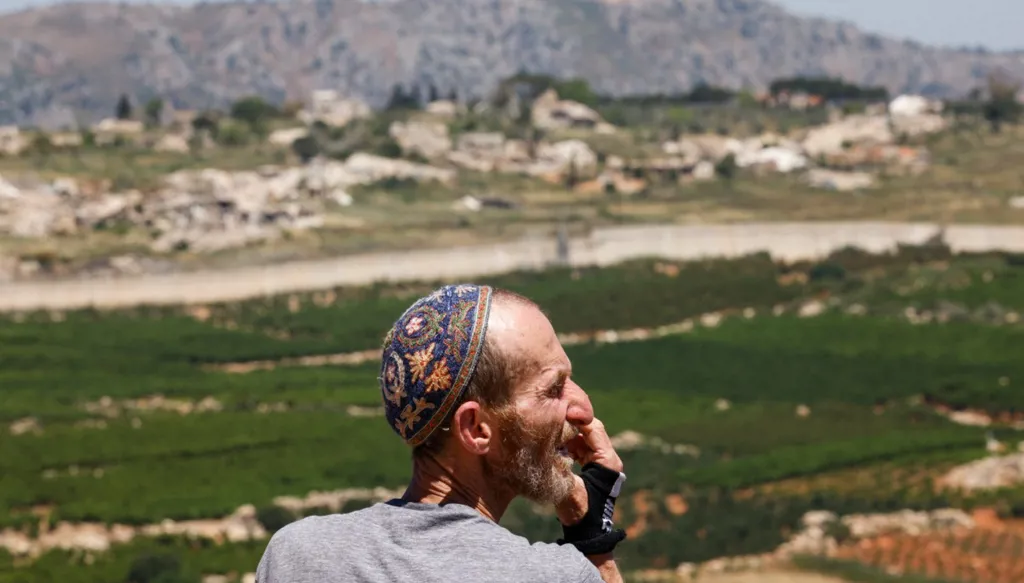
Lebanon’s eastern border remains a key political flashpoint, potentially used to influence internal power dynamics and direct Hezbollah’s presence along its controlled zones.



شارك على
 مسنجر
مسنجر
 واتساب
 ثريدز
ثريدز
 بريد إلكتروني
 الطباعة
شارك على


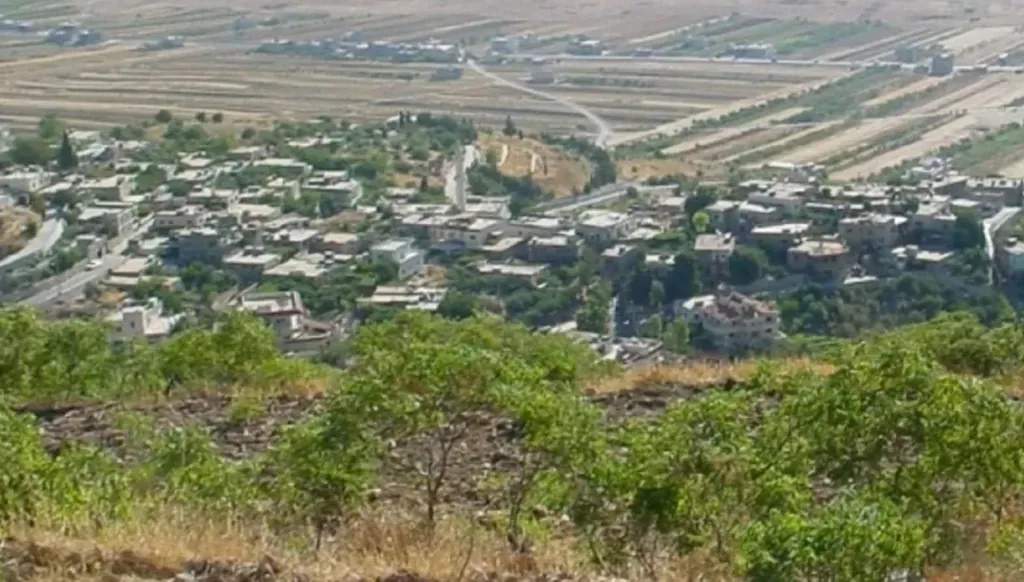


For weeks, media and security reports have repeatedly mentioned Syrian crowds gathering at the border with Lebanon, particularly in the Bekaa region. These reports include information about jihadist groups that previously fought alongside Syrian President Ahmad Al-Sharaa, including fighters from the Uyghur and Turkestan communities. Some accounts even suggest that these groups could be part of preparations for a military operation or an attempt to infiltrate Lebanese territory during a highly sensitive regional period.
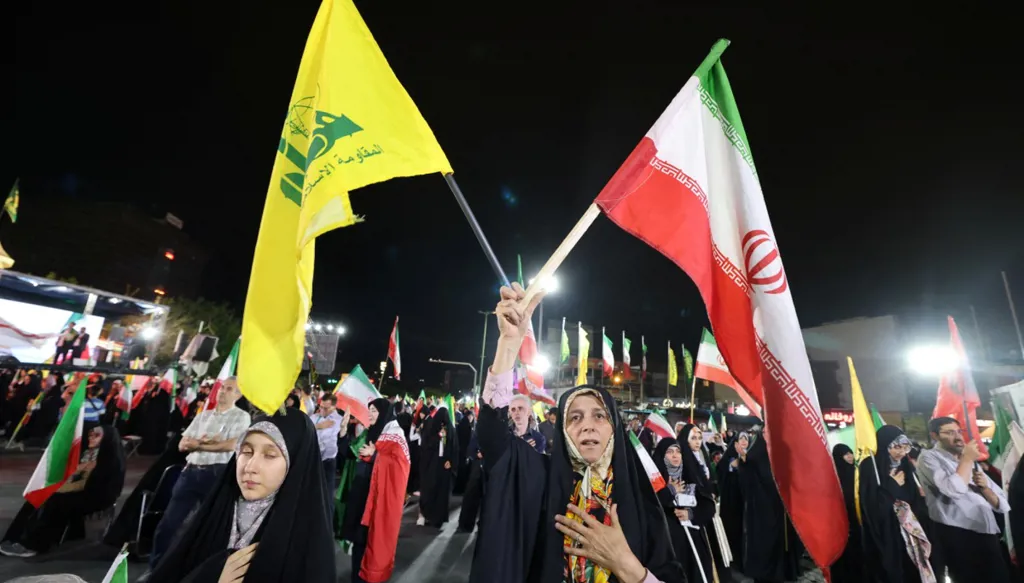
At the same time, Syrian authorities have repeatedly denied these claims, insisting that the measures are routine security procedures aimed at protecting the border and preventing any infiltration or chaos, especially following the renewed conflict between Hezbollah and Israel and the potential security consequences it could have across the entire border region.
This contradiction between circulating reports and the ongoing Syrian denials raises a fundamental question: who benefits from keeping the discussion about Syrian military movements on the Lebanese border alive in the media week after week?
The first possibility is linked to the nature of the ongoing war in the region, where psychological warfare operates alongside military operations. Promoting the idea that armed groups are present on Lebanon’s eastern border or that a new front could open from that direction can create a climate of security and political anxiety within Lebanon, keeping the army and security forces on constant alert and sending pressure signals to multiple internal actors.
The second possibility relates to the broader regional conflict. The suggestion that foreign jihadist groups are near the Lebanese border can sometimes be used to justify preemptive moves or strikes under the banner of counterterrorism, or to pressure Damascus and embarrass it internationally by associating it with extremist or cross-border groups.
The third possibility is connected to Lebanon’s internal arena. The eastern border issue has historically been part of political debates in Lebanon and could today be used in the context of internal conflict, by pressuring Hezbollah to direct part of its forces toward the border—especially since the border touches areas under its control—or by blaming Damascus for posing a security threat to Lebanon, or by pushing for stricter military and security measures in the area, or even by reopening old issues related to controlling borders and illegal crossings.
On the other hand, it is clear that Damascus is keen to repeatedly deny these reports. Syria’s situation does not practically allow opening a new front of tension with Lebanon at a time when the country still faces significant security and economic challenges. Any major tension at the border could negatively affect the shared border areas, which rely heavily on security stability and economic and social exchange between the two sides.
Therefore, the actual situation may be more complex than the circulating reports suggest. There may indeed be Syrian security movements at the border as part of precautionary measures related to the ongoing war in the south, but exaggerating these movements or interpreting them as preparations for a confrontation with Lebanon could be part of a political and media messaging game during a highly sensitive regional period.
Within this context, the Lebanese-Syrian border remains a space open to speculation and leaks, where actual security information mixes with political and media agendas, as each party tries to interpret military movements according to its own interests and calculations in the broader regional conflict.

العلامات الدالة
الأكثر قراءة