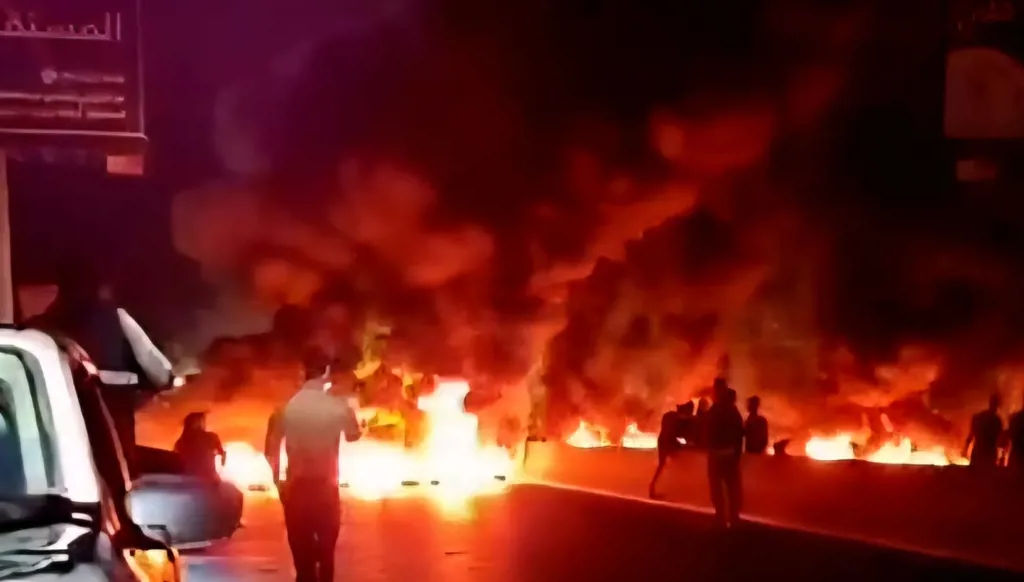
Countdown to change: Is Iran’s regime facing its final days?

Opinion 13-02-2026 | 12:51

Countdown to change: Is Iran’s regime facing its final days?

From protests to economic strain and international military pressure, the once-stable Iranian regime now confronts challenges that could reshape the Middle East.

Countdown to change: Is Iran’s regime facing its final days?
Is the end of the Iranian regime near?
Smaller Bigger

The White House meeting between Donald Trump and Benjamin Netanyahu concluded with an implicit understanding that balanced their respective approaches. President Trump insisted on continuing negotiations with the Iranian regime without easing the military pressure surrounding Iran on all sides. In fact, the Pentagon leaked that a second aircraft carrier would soon head to the theater of operations amid concerns over a potential outbreak of war with Iran. Meanwhile, Netanyahu received reassurance that pressure would continue and that preparations for a major military operation against Iran remain in place. Furthermore, the Israeli Prime Minister was able to reinforce his view that a limited military operation against the Iranian regime would be futile; it is either a wide-scale operation leading to the regime’s collapse or significant destabilization, or no military operation at all.

 

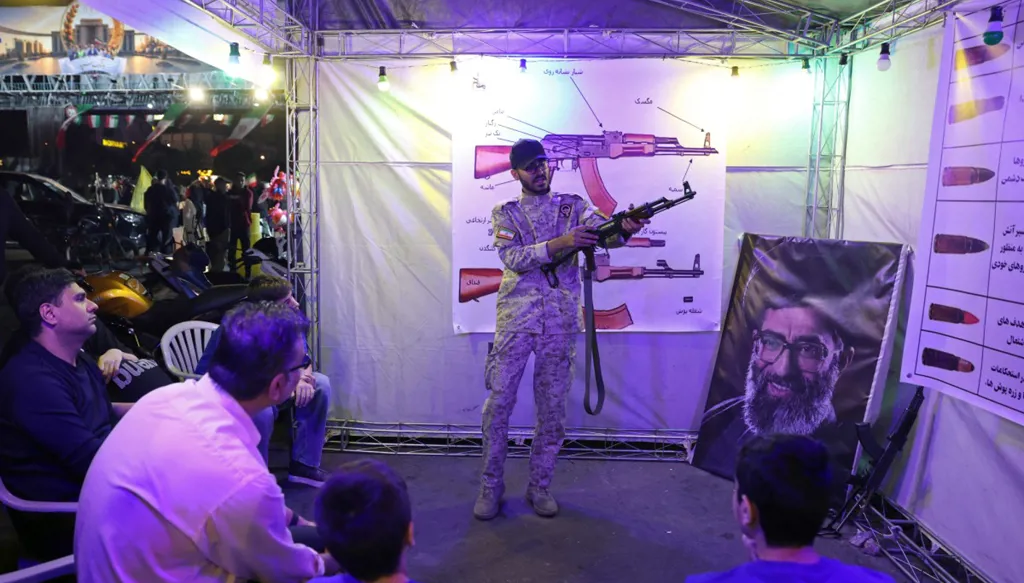
Naturally, this outcome did not reassure the Iranian regime, which remains on high alert across multiple fronts, placing significant organizational and financial strain on it. This comes at a time when Iranians are well aware that the United States possesses ample capabilities and resources to sustain the military buildup surrounding Iran, whether through internal means or external support. Meanwhile, the Iranian regime is grappling with political, economic, social, and moral exhaustion, further compounded by growing resentment spreading among segments of Iranian society that are distancing themselves from the regime with each passing day.

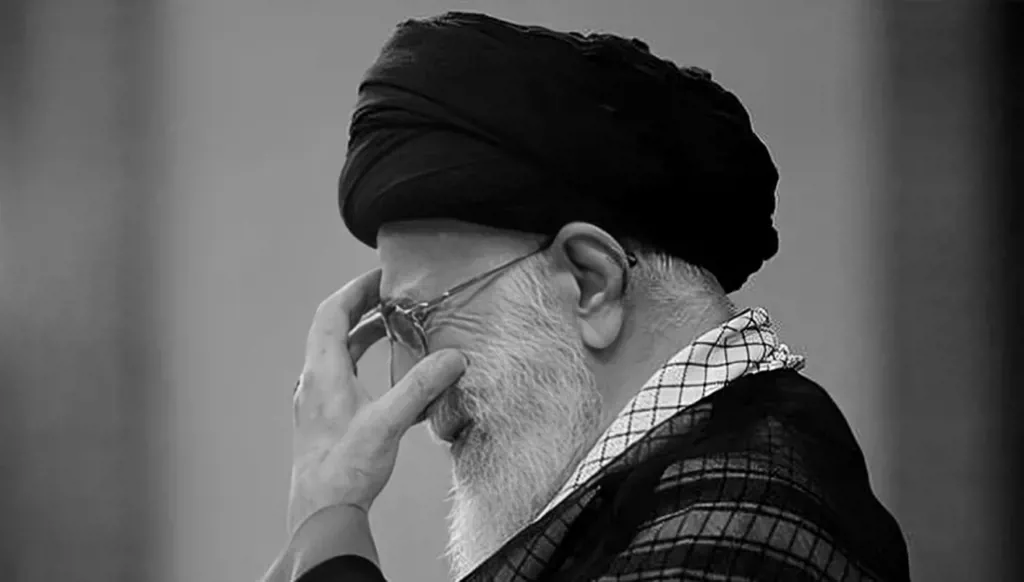
The bloody massacre carried out by the regime under the orders of Ali Khamenei will not be dismissed like its predecessors, for the clear reason that the regime has become the “sick man” of the region, its health steadily declining over time. It is a “scheduled death.” Consequently, the regime faces an existential crisis, leading observers to believe that its options are now limited to either a rapid or a gradual collapse.

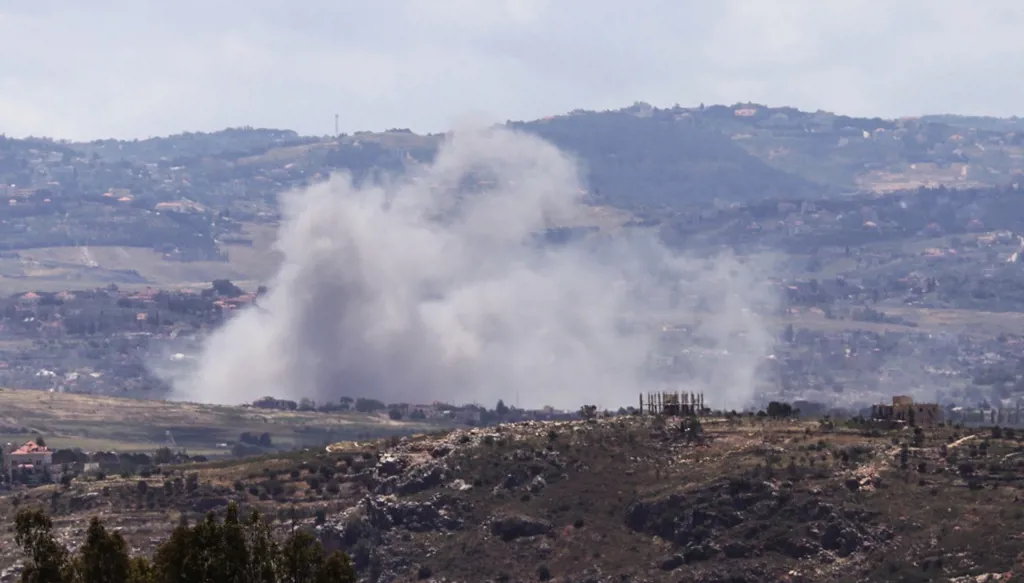
Why this diagnosis? Because the Iranian regime’s crisis, which we trace back to the “Mahsa Amini and Freedom Revolution” in 2022 following her killing, cannot be reduced to a single event. Multiple factors are at play. Among them are the outcomes of the “Al-Aqsa Flood” operation, which led to the collapse of Iran’s regional military influence—from Gaza to Lebanon—followed by the weakening of the former Syrian regime and the erosion of Iran’s right-wing proxies after significant blows to infrastructure in controlled areas.


Economic pressures predated the “Al-Aqsa Flood” operation. For instance, the Indian–Middle Eastern–European economic corridor project, designed to bypass China’s Belt and Road Initiative, suffered a major setback from the Gaza attack on October 7. This project, intended to connect the Indian subcontinent to Europe through the Middle East, now faces altered regional dynamics—most notably, Russia’s exit from Syria, while China remains on the periphery, limited to trade exchanges. Iran, obstructing the project, now struggles under intense external pressures and mounting internal ones.


Trapped in the past, the Iranian regime is incapable of joining large economic blocs that could unite former adversaries. Ideology has sapped the nation’s spirit, first isolating it from the outside world and later internally, fueling a yearning for profound change in an era of shifting borders and eroding economic and cultural barriers. As a result, the accumulation of political, security, and economic challenges has surpassed the aging regime’s capacity to manage them, much as it did in previous decades.

Based on the above, we do not believe that the military option is off the table; rather, two alternatives have emerged. The first is political negotiation carried out under extreme apprehension, and the second is a military siege, which conveys two clear messages. The first message, directed at the affected and angered domestic population, is that the regime will not evade accountability as it did under former Barack Obama. The second message, aimed at the regional neighborhood, is that this phase focuses on exploring logical alternatives for a regime that has no choice but to enact change from within—or face military pressures or war that could bring about profound transformation all at once.


In this context, it is worth examining the position expressed by Sergey Lavrov just two days ago, when he stated that war is not ruled out. It is clear that the entire world has begun to operate on the understanding that the fall of the Iranian regime is no longer impossible—whether through war or without it.


Disclaimer: The opinions expressed by the writers are their own and do not necessarily represent the views of Annahar.

العلامات الدالة

الأكثر قراءة
شمال إفريقيا 2/10/2026 11:07:00 PM
يقول رئيس الهيئة العامة السورية للاجئين في مصر تيسير النجار، في حديث لـ"النهار": "أفادت التقارير التي بلغتنا بأن عمليات الترحيل تحدث بالفعل، ونسمع من إخوة لنا عمّا يحصل".
صحة وعلوم 2/11/2026 6:16:00 PM
تتكرر في لبنان والعالم الحوادث التي يتوقف فيها القلب فجأة ومن دون علامات سابقة، سواء بين المراهقين والشباب أو حتى بين الأطفال، فيما كانت هذه الفئات العمرية تُعدّ  محميّة من هذا النوع من المشكلات باعتبارها تتمتع بصحة أفضل.
دوليات 2/12/2026 11:14:00 PM
امرأة خمسينية تعترف بوضع رضيعين في مجمّد منزلها شرقي فرنسا… والسلطات تفتح تحقيقاً بتهمة قتل قاصرين.
سياسة 2/12/2026 8:44:00 PM
"تيار المستقبل" يمسك بالعصب الأساسي في الشارع السني، رغم انكفاء السنوات الماضية.