Iran in Iraq: Three scenarios and the struggle for sovereignty
Three scenarios for Iran’s future reveal the stakes for Iraqi sovereignty, militia power, and regional stability as protests and political maneuvering redefine the landscape.



شارك على
 مسنجر
مسنجر
 واتساب
 ثريدز
ثريدز
 بريد إلكتروني
 الطباعة
شارك على


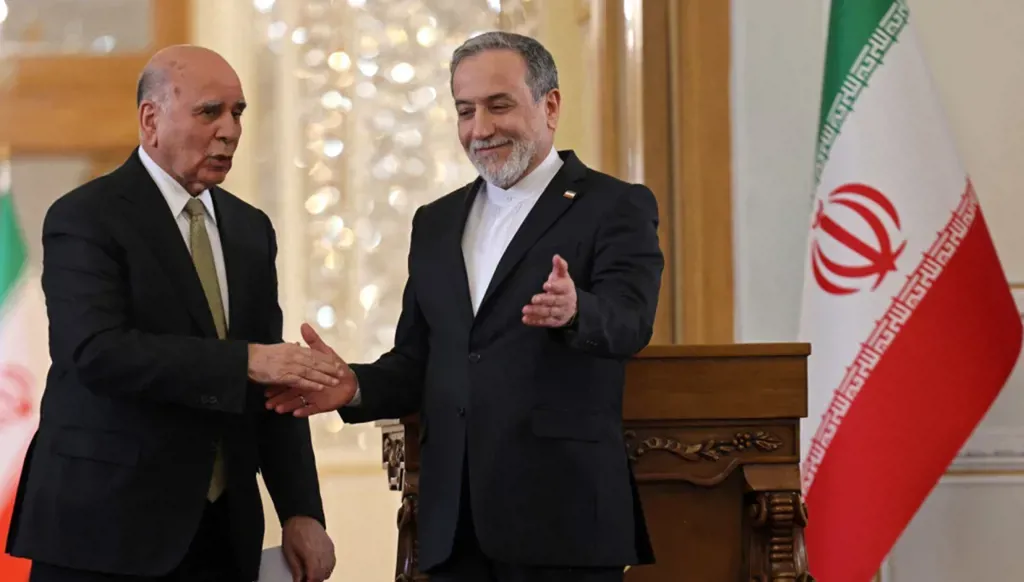


In Iraq, Iran’s presence—which has persisted for over a decade—continues to fuel divisions, as its growing influence shapes political, economic, and security decisions through its affiliated groups. Public opinion and society have become arenas of conflict, marked by mutual accusations between outspoken supporters—both official and semi-official—and those opposing Iranian influence, including various segments of the populace and elite. Opposition has often faced severe repression, including field executions during the October 2019 protests, when demonstrators demanded an end to Iran’s dominance in Iraq.
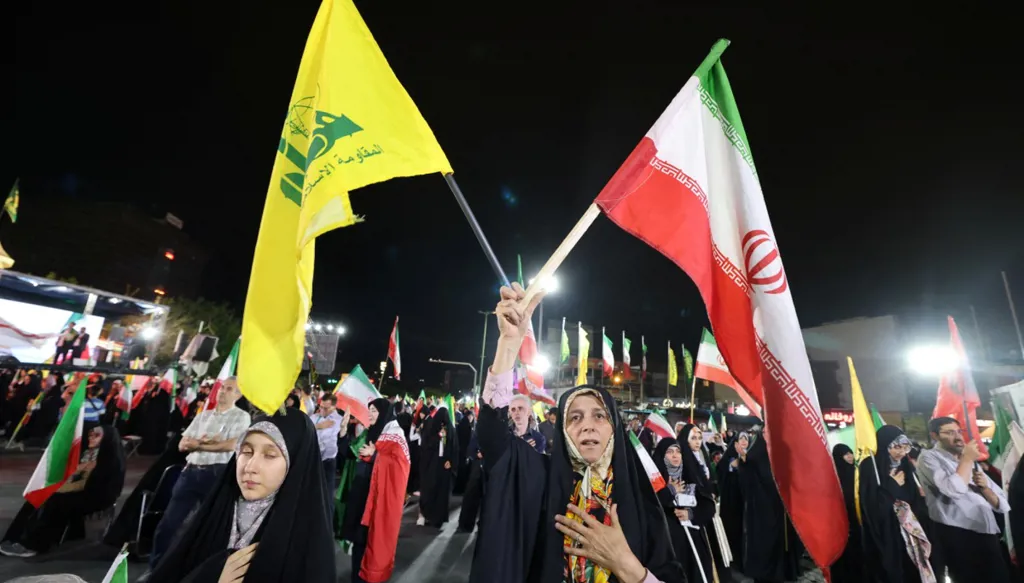
The protests by the Iranian people against their regime’s missteps and its domestic and foreign policies did more than add another layer of tension in Iraq—they also created a shared sense of anticipation over the demonstrations’ outcomes and the future of the Wilayat al-Fakih rule.
Many viewed these events as an existential challenge for the Supreme Leader’s allies, while offering nationalists a potential opportunity to assert greater sovereignty and break free from entrenched influence.
Prior to this moment, two analyses emerge, both agreeing on three possible scenarios but differing and intersecting in their interpretations and details.
- The first scenario envisions the Iranian regime surviving after suppressing the protests. In this case, its influence would strengthen the weapons and political wings in Iraq, allowing them to tighten their grip on power in Baghdad and exploit the authority granted under the guise of democracy to oppress Iran’s “enemies” among the Iraqi population.
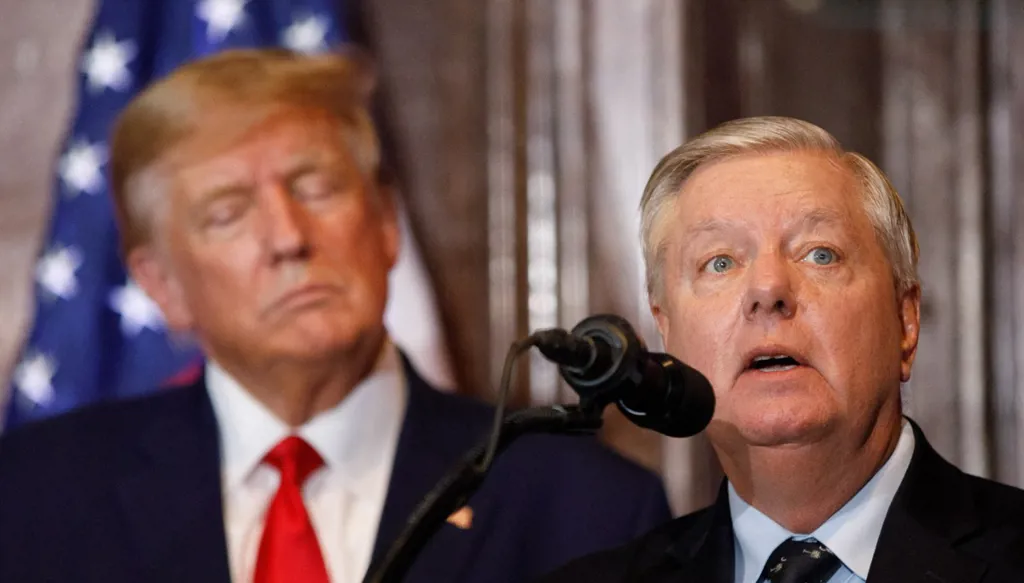
- The second scenario envisions a weakening of the Iranian regime and Wilayat al-Fakih—whether as a result of widespread protests, economic collapse from sanctions, or the Supreme Leader agreeing to a compromise to preserve its rule. Such a shift would mark a turning point in Iraq’s balance of power, benefiting factions opposed to Iranian influence. These groups would gain greater political leverage, reclaim decision-making authority, and steer Iraq’s overarching interests—aligning with U.S. President Donald Trump’s stated goal of dismantling militias and curbing their threefold power: control of the state, weapons, and finances.
- The third scenario, based on the potential collapse of the Iranian regime, would signal the beginning of the end for all parties and armed groups that rely on the Revolutionary Guard’s sponsorship and support. The gravity of this possibility may explain why Tehran’s allies, according to journalistic reports, launched a brutal campaign of killings and repression against protesters in Iranian cities, resulting in thousands of deaths and arrests—an approach that has heightened Iraqi awareness of the risks of such involvement. Under this scenario, if the regime were to fall and a new political reality emerged in Tehran, Iraq could be perceived as a hostile state by the Iranian populace.
This scenario would trigger a period of security instability. Armed groups reliant on Tehran would face severe consequences, potentially forcing them to adopt “hybrid warfare” tactics against internal opponents and challenge Washington. In response, the U.S. might consider military measures to address the militia issue, paving the way for a political transformation guided by a reform plan crafted by national forces dedicated to preserving Iraq’s sovereignty, independence, and national interests.
The Iraqi interpretation of the Iranian protests and the regime’s future is far from uniform. Even the Iraqi government has largely remained silent to avoid political embarrassment, yet this did not prevent an Iranian official from confirming the position of outgoing Prime Minister Mohammed Shia’ Al-Sudani, who expressed solidarity with Iran and framed the protests in a positive light—effectively presenting a third, Iran-aligned reading of the events from within Iraq. This multiplicity of perspectives underscores a deeper crisis among Iran’s close allies, revealing both uncertainty over state priorities and a disregard for the fundamental right of peoples to self-determination—a principle that transcends ideological or doctrinal loyalties and should not be compromised for either the Iraqi or Iranian people.
Disclaimer: The opinions expressed by the writers are their own and do not necessarily represent the views of Annahar.

العلامات الدالة
الأكثر قراءة