Afghanistan's harsh winter deepens hunger crisis as aid declines
According to UN World Food Programme estimates, 17 million people are suffering from acute hunger after substantial reductions in international aid.



شارك على
 مسنجر
مسنجر
 واتساب
 ثريدز
ثريدز
 بريد إلكتروني
 الطباعة
شارك على


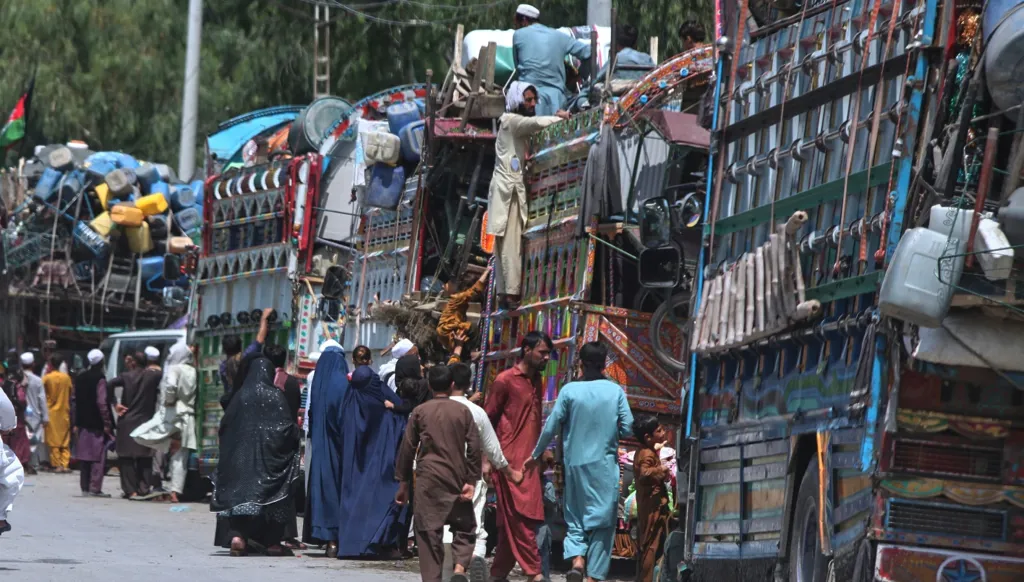


In Afghanistan, the hunger crisis is worsening because of winter and the suspension of aid. Under the dim light of a lamp inside their tent on the outskirts of Kabul (Afghanistan), Sami Allah and his wife Bibi Rihana sat eating dry bread and sipping tea, their only meal of the entire day, along with their five children and their three-month-old grandchild.
Sami Allah, 55 years old, said: "We have reached a point where we have become accepting of death." Among his family members are two older sons, aged 18 and 20, along with their wives. All of them were among the millions who returned from neighboring Iran and Pakistan after last year’s deportations.
He added that after their return to Afghanistan "things are getting worse day by day... what happened to us has happened, but at the very least our children’s lives should be better".
United Nations World Food Programme estimates indicate that 17 million people are suffering from acute hunger after major reductions in international aid.
Sami Allah was one of the Afghan returnees who spoke before protests in Iran sparked a wide crackdown by the ruling religious establishment, resulting in the killing of more than two thousand people in the violence that followed. He said that his family suddenly went from a modest home in Iran to a temporary tent after a raid by Iranian authorities led to their arrest and deportation.
He explained that they managed to save some belongings, but could not take out all their savings, which would have been enough for them to get through the winter.
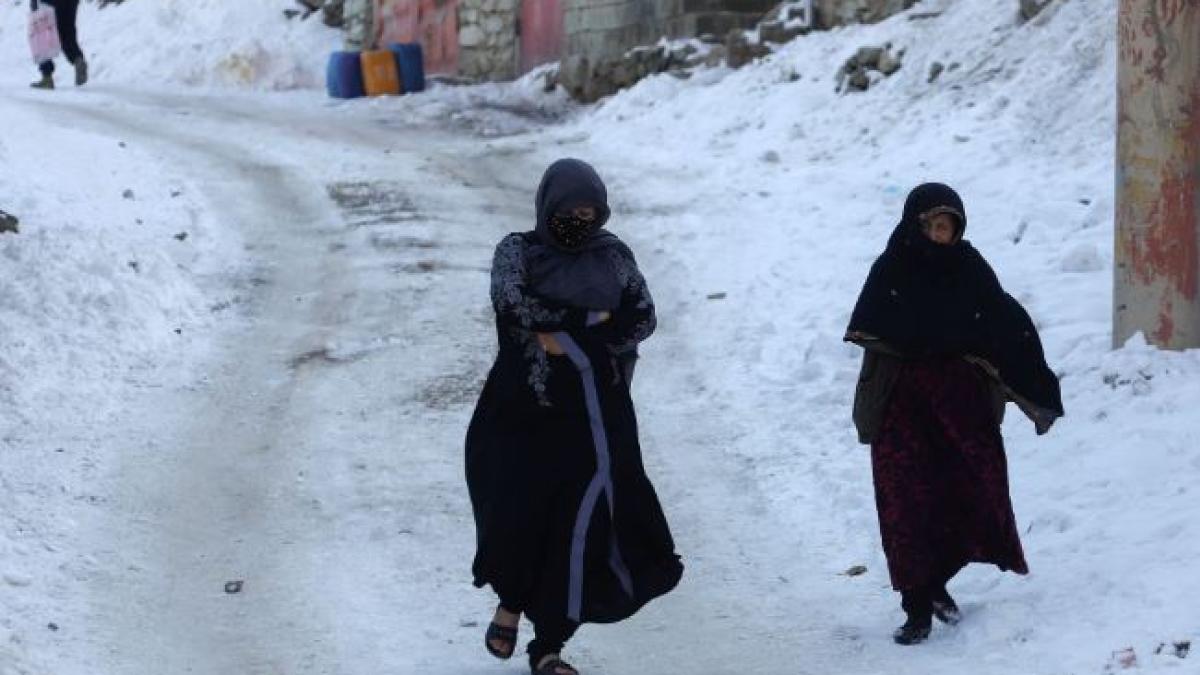
Afghan government spokesperson Zabihullah Mujahid said: "Returning migrants are receiving as much assistance as possible" in areas including transport, housing, healthcare, and food. He added in a statement that eliminating poverty quickly is impossible in a country that has suffered from 40 years of conflict and has lost all its revenues and resources, despite extensive reconstruction efforts.
He continued: "Economic programs need time and do not have an immediate effect on people’s lives."
The WFP says that Iran and Pakistan have expelled more than 2.5 million Afghans as part of wide-scale mass deportation programs. Tehran intensified deportations last year amid a barrage of accusations that the deported individuals had been spying for Israel. The authorities attributed the deportations to concerns related to security and resources. Islamabad accelerated deportations amid accusations that the Taliban were harboring militants responsible for cross-border attacks inside Pakistani territory, accusations that Afghanistan has denied.

العلامات الدالة
الأكثر قراءة