

Lebanon faces deepening crisis as war escalation triggers economic and humanitarian collapse
Mounting destruction, mass displacement, and a worsening recession deepen fears of prolonged instability amid ongoing military operations



 Messenger
 Whatsapp
 Threads
 Email
Email
 Print
Print
 X
X
 Facebook
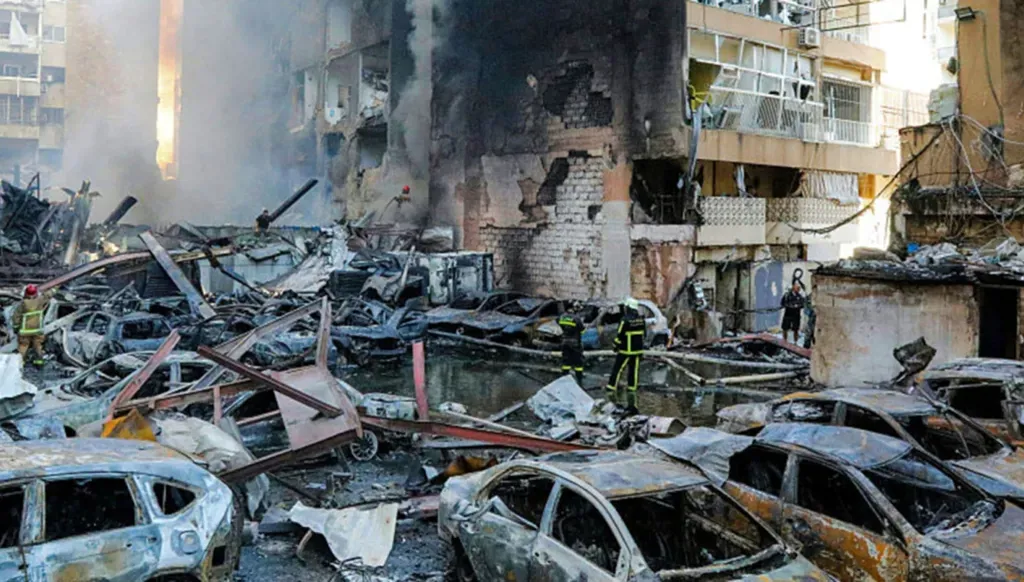


In less than ten minutes, Israel carried out a large scale attack on Lebanon, striking Beirut as well as areas in the south, the Bekaa, and Mount Lebanon. It was one of the most intense strikes since the clashes began more than a month ago. The attack completely changed the situation and overturned cautious hopes that the war might be brought to an end with minimal damage.
This escalation comes as attention shifts to the future of de-escalation efforts linked to relations between the United States and Iran. There is growing internal concern in Lebanon about serious political, economic, and social consequences, which are already starting to unfold.
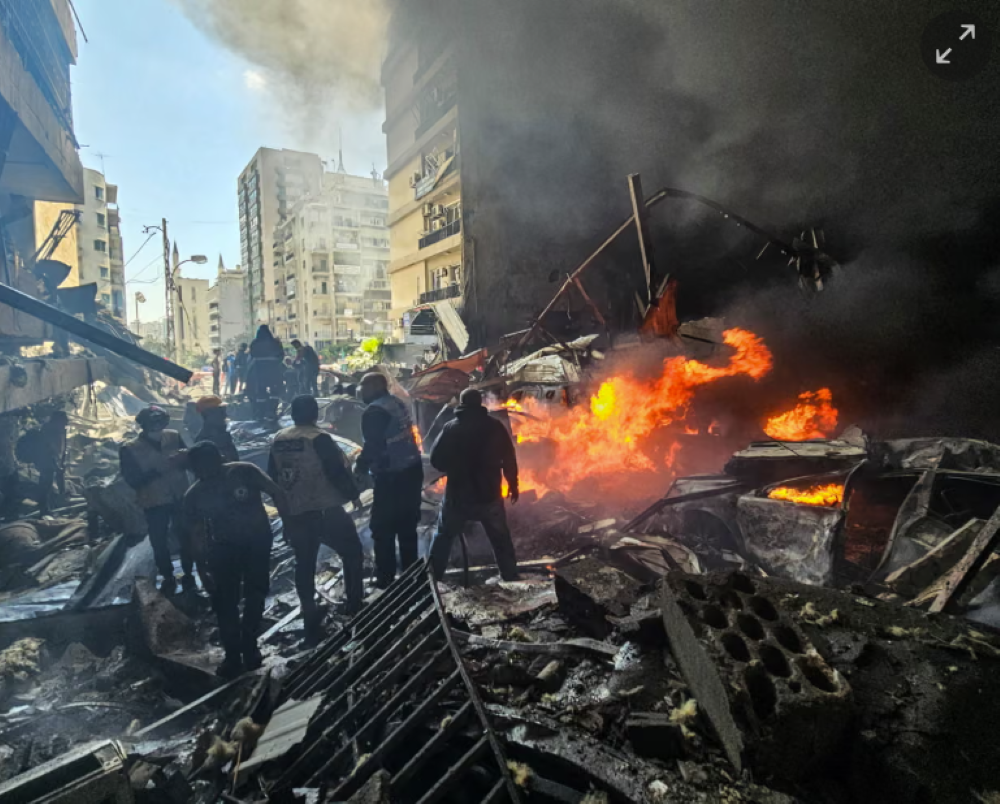
Based on available initial information, the Israeli strike carried clear political messages, most notably the continued pressure on Lebanon due to Hezbollah’s ties with Iran. Observers believe that any attempt to link the Lebanese file to regional negotiations could prolong the war, leading to increasing human and material losses.
“Eternal Darkness”: Destruction and Uncertainty
Israel named its operation “Eternal Darkness,” signaling an open ended escalation with no clear horizon. The strikes caused widespread destruction affecting infrastructure and residential areas, exceeding previous estimates, amid deep uncertainty about the next phase.
The Ministry of Economy, in coordination with the World Bank and several international institutions, has begun a field survey to assess the damage prior to the latest strikes. Initial estimates suggest that the damage will surpass the cost of the previous war, which the World Bank estimated at 7 billion dollars, after Israel targeted bridges and major roads that cut off the south, in addition to extensive destruction of buildings and institutions.
Military operations have caused the displacement of more than 1.2 million people inside Lebanon, placing unprecedented pressure on host communities that are already struggling with a shortage of resources and services.
Experts warn of serious social consequences, including
• Breakdown of social ties
• Weakening of internal cohesion
• Rising fears of broader security unrest due to tensions between displaced people and host communities, which could trigger a social explosion
Rapid Financial Collapse
Daily losses are estimated at between 60 and 80 million dollars, bringing total losses to more than 3 billion dollars since the start of the war, not including the damage from the latest day of destruction.
Meanwhile, state revenues have fallen by half, humanitarian aid costs have increased, and the treasury is facing a severe deficit in covering expenditures.
The decline in economic activity across various sectors has led to:
• a drop in production of nearly 50 percent
• an economic contraction estimated at around 7 percent
• the economy entering a recession phase
Forecasts indicate that this deterioration will continue in the absence of a clear horizon for stopping military operations.
In light of these developments, several urgent priorities emerge, including reaching an immediate ceasefire, securing external funding, containing the displacement crisis, and preparing for reconstruction. Experts stress that the lack of funding for reconstruction will keep the economy in a state of collapse, which could worsen the social crisis and increase poverty rates, especially with ongoing displacement and declining living standards.
In conclusion, Lebanon is currently facing one of its most complex phases, where the security crisis intersects with economic collapse and humanitarian pressure. As military operations continue, the solution remains dependent on stopping the war and opening the door to international support, in order to prevent the country from sliding into an even deeper crisis.