

Iran’s critical vulnerabilities: How targeted strikes could paralyze power, energy, and transport
From electricity grids to refineries and strategic bridges, any strike would aim to disrupt the country’s infrastructure and economy, striking at the heart of Iran’s ability to sustain itself without immediately triggering a full-scale conflict.




 Messenger
 Whatsapp
 Threads
 Email
Email
 Print
Print
 X
X
 Facebook
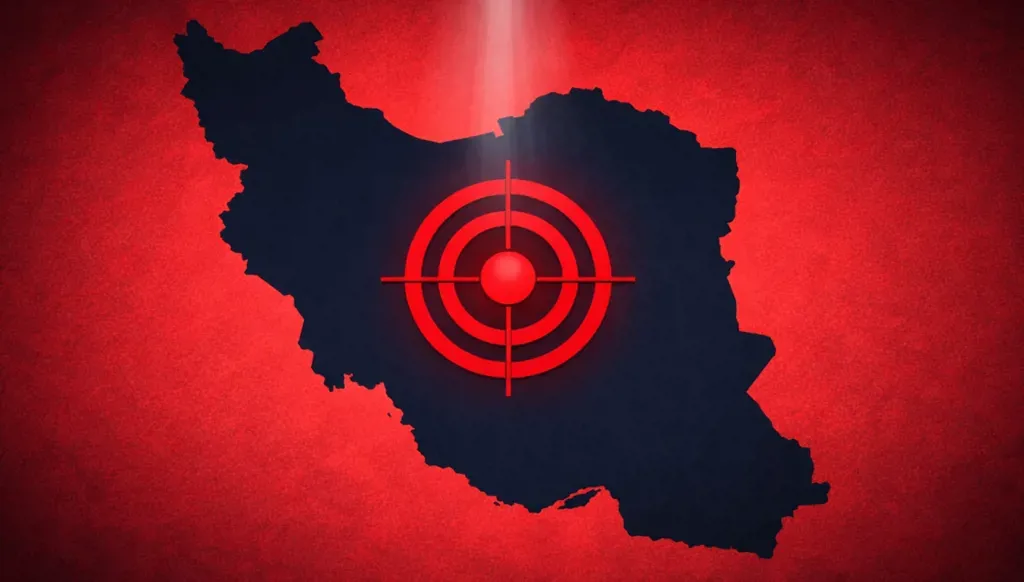


When US President Donald Trump threatened to open “the gates of hell” in Iran, specifying Tuesday as a “day for power plants and bridges,” then later postponed the deadline for action in the Strait of Hormuz to the evening of the same day in Middle Eastern time before carrying out his threat, he was not talking about conventional military targets. Rather, he was referring to strikes aimed at the very infrastructure of the Iranian state: energy, transportation, and the links connecting the interior to the coast.
Electricity network: the fastest way to paralyze the state
The map begins with the electricity sector, which relies mainly on natural gas, making it directly dependent on the South Pars field that supplies around seventy percent of Iran’s consumption. Any pressure on this system immediately affects cities, industry, and communications.
Among the most notable power plants is the Shahid Rajaee plant in Qazvin, with a capacity exceeding two thousand megawatts, one of the main pillars of the national grid. The Bandar Abbas plant, with nearly nineteen hundred megawatts, gains additional importance due to its location in the south near the Strait of Hormuz.
The Bushehr reactor, with about nine hundred megawatts, is a different case. Its significance goes beyond electricity to sovereignty and politics, making it more sensitive than any conventional plant. It is considered a red line because of its nuclear nature. Any potential radiation leak could cause significant harm to civilians and have consequences extending to nearby countries, especially the Gulf states on the opposite coast.
Energy: the heart of the Iranian economy
While electricity can paralyze domestic life, energy strikes hit the economy directly.
In this context, the South Pars field stands out as Iran’s most important energy facility, being the largest gas field in the world and the source of most domestic production.
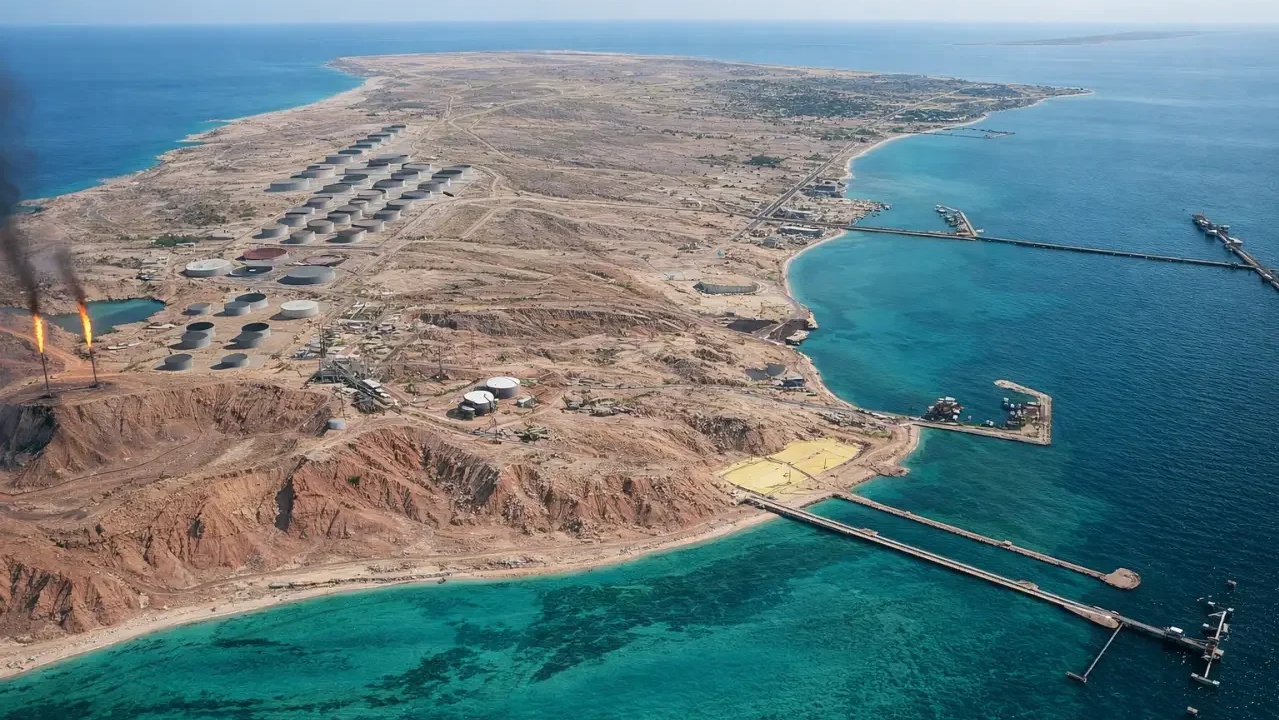
Next is Kharg Island, through which around ninety percent of Iran’s oil exports pass, making it a vital economic artery.
The port of Jask represents an Iranian attempt to bypass the Strait of Hormuz, with growing storage capacity that adds a strategic dimension to any potential pressure on it.
Refineries: a direct economic strike
Iran has a total refining capacity of around 2.6 million barrels per day, which is not concentrated in a few facilities but spread across a wide network of refineries. However, several major refineries stand out as the backbone of this capacity:
- Abadan Refinery, around 400,000 barrels per day
- Isfahan Refinery, around 375,000 barrels per day
- Bandar Abbas Refinery, around 320,000 barrels per day
- Imam Khomeini Refinery – Shazand (Arak), around 250,000 barrels per day
In addition to these refineries, the Persian Gulf Star facility near Bandar Abbas plays a central role in processing gas condensates and producing fuel, with a capacity exceeding 350,000 barrels per day, making it a key pillar for domestic gasoline self-sufficiency.
The system also includes smaller refineries in Tehran, Tabriz, Shiraz, Kermanshah, and Lavan.
Thus, disrupting a limited number of these main nodes, particularly Abadan, Isfahan, Bandar Abbas, and Shazand, would not only affect exports but would directly impact the domestic market and fuel supply within the country.
Bridges: targeting routes, not structures
Contrary to what Trump’s rhetoric might suggest, the importance of bridges in Iran is not in the individual structures themselves, but in their role as part of strategic corridors.
Key corridors include:
- Tehran – Qom – Isfahan axis, the main artery connecting north and south
- Isfahan – Ahvaz axis, linking the industrial heartland to the oil-rich Khuzestan region
- Bandar Abbas – inland axis, directly connected to the Strait of Hormuz
In this context, the bridges over the Karun River in Ahvaz are critical nodes, connecting the oil region to the rest of the country, while the Sadr Bridge in Tehran is an example of urban bridges whose disruption could paralyze the capital.
Hormuz: the final node
If the declared goal is to open the Strait of Hormuz, the map ends in the south, where Bandar Abbas and its surrounding ports form the center of Iran’s naval weight.
Reports indicate that naval support sites, such as Revolutionary Guard bases along the coast, play a key role in Iran’s ability to threaten shipping, making them part of any attempt to limit this capability.
A functional strike, not a comprehensive one?
In conclusion, any potential strike, if it occurs, would not be random but rather a targeted operation aimed at electricity, energy, transport nodes, and the capacity to disrupt navigation in Hormuz. It would paralyze the country economically and logistically while reducing its ability to respond, without immediately escalating to full-scale nuclear conflict.
In this context, Trump’s threats do not simply reflect an intention to escalate, but rather a concept of a functional strike: hitting what allows Iran to sustain itself, not just what allows it to fight.