

A month of chaos: The Middle East caught in the Iran-U.S.-Israel war
From Tehran to Washington, key milestones, military maneuvers, and grassroots perspectives reveal widening divides, high-stakes diplomacy, and the untold influence of societies on the war’s trajectory.



 Messenger
 Whatsapp
 Threads
 Email
Email
 Print
Print
 X
X
 Facebook
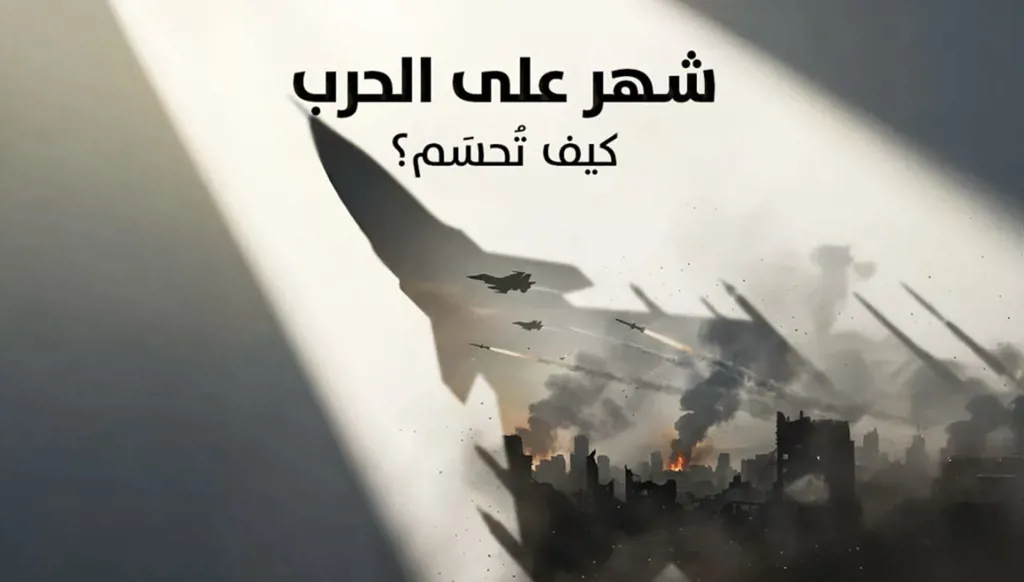


With a month having passed since Iran’s war began, escalation steps remain dominant despite diplomatic attempts by Pakistan, Turkey, Egypt, and Saudi Arabia to open a political breakthrough that could lead to a settlement reconciling the opposing conditions set by the American and Iranian sides.
So what do we know about the ongoing war in the region so far? Here are the main highlights, events, and special analyses of the political, economic, and field realities, from Iran to the United States and Israel.
1- Key Milestones... What do we know about the war in the region so far?
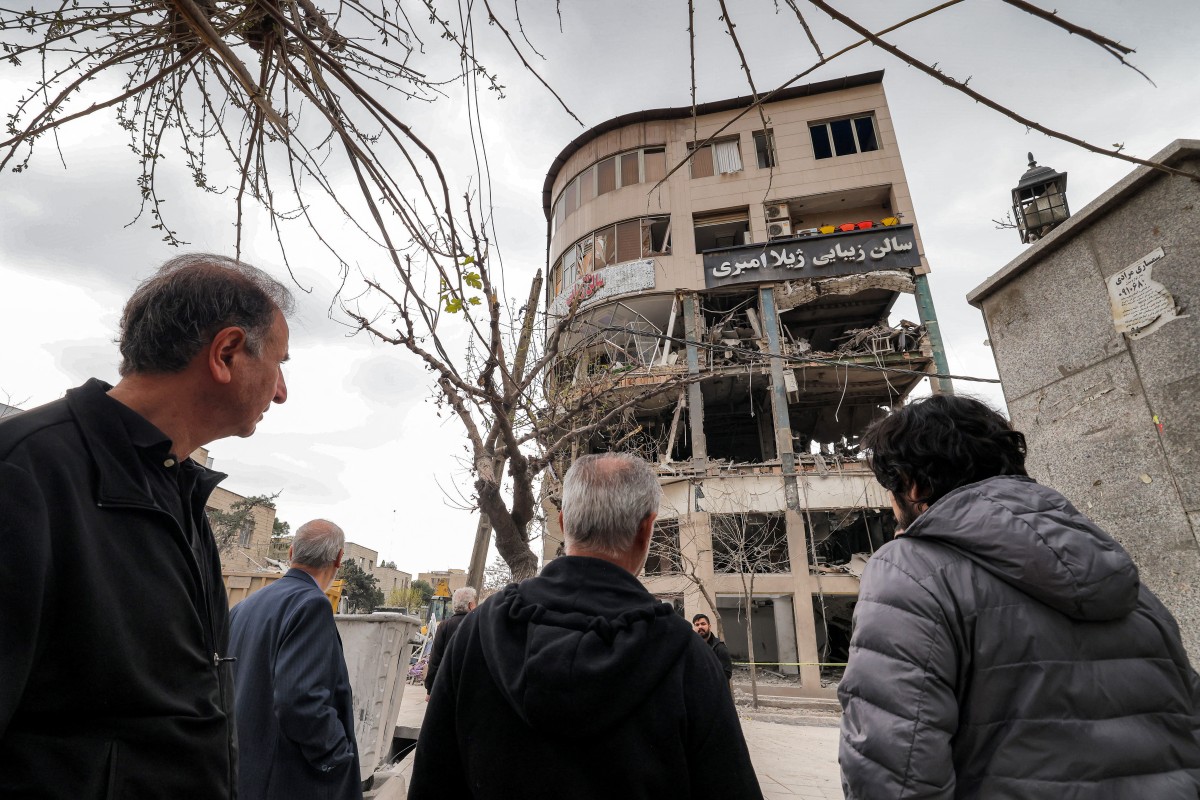
Main milestones marked this phase, both politically and security‑wise, the most important being the assassination of Ali Khamenei and Iran’s closure of the Strait of Hormuz, which contributed to an escalation of the American‑Israeli war on Iran.
It is likely that U.S. President Donald Trump will use Marines as leverage to pressure Iran to open the Strait of Hormuz to oil tankers—either by landing these forces on Iran’s Kharg Island, by seizing coasts overlooking the strait, or even by conducting a special operation to capture about 450 kg of Iranian uranium enriched to 60 percent.
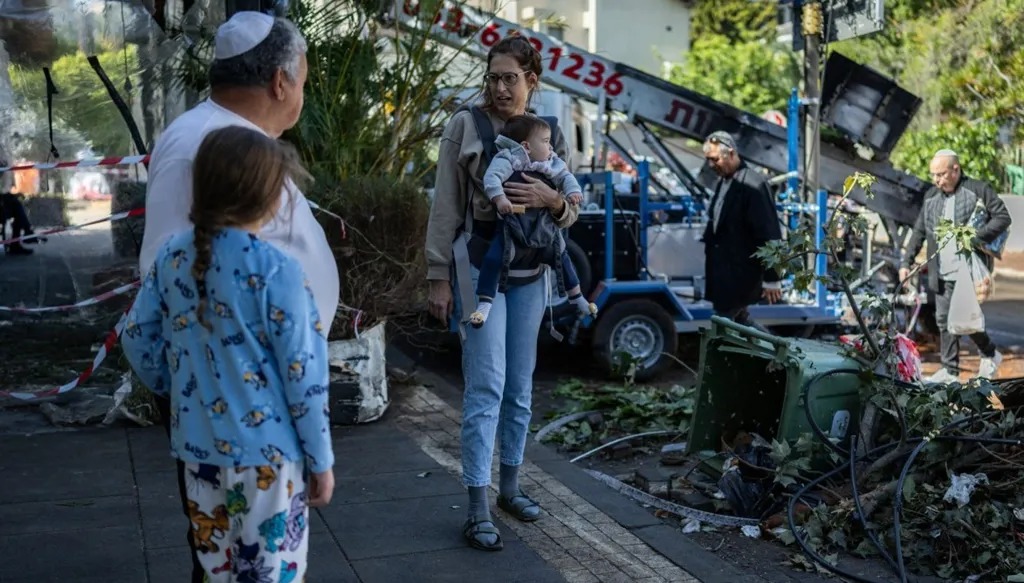
About a month after the outbreak of the American‑Israeli war on Iran, various Israeli assessments and readings show a widening gap between the declared objectives and the results on the ground, amid continued elements of Iranian resilience and the failure to realize scenarios of a quick resolution.
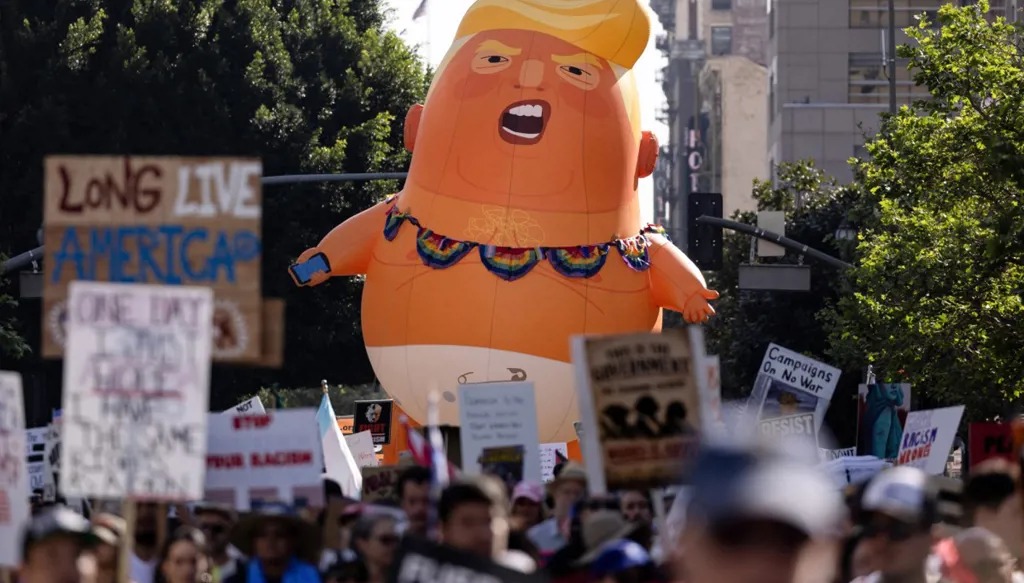
Last Saturday shared the same day of the week as the start of the war — both fell on a Saturday, February 28 — and, as a result, millions of Americans took to the streets in their major cities from coast to coast for the third time under the general slogan “No Kings,” with the 2026 Iran war adding to their long list of protests against President Donald Trump.
5- Tehran, Amir Diabri Mehr:The path of war changes Iranians' internal view on its goals