

Iran strikes Israel and Gulf, Trump sets Hormuz deadline amid escalating Middle East crisis



 Messenger
 Whatsapp
 Threads
 Email
Email
 Print
Print
 X
X
 Facebook
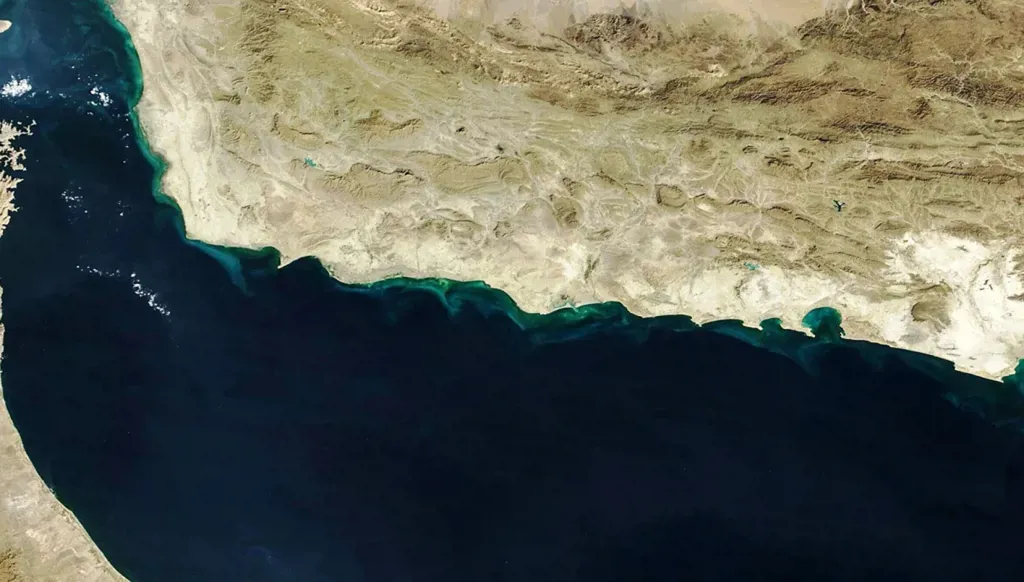


Iran threatened on Sunday to strike key infrastructure across the Middle East after US President Donald Trump vowed to destroy energy facilities in the Islamic Republic if the Strait of Hormuz was not opened within two days.
After hinting that he might de-escalate the conflict, Trump once again put pressure on Iran’s leadership by setting a deadline for the Islamic Republic to open the Strait, a crucial trade route.
He stated on his Truth Social platform: "If Iran doesn’t FULLY OPEN, WITHOUT THREAT, the Strait of Hormuz, within 48 HOURS from this exact point in time, the United States of America will hit and obliterate their various POWER PLANTS, STARTING WITH THE BIGGEST ONE FIRST! "
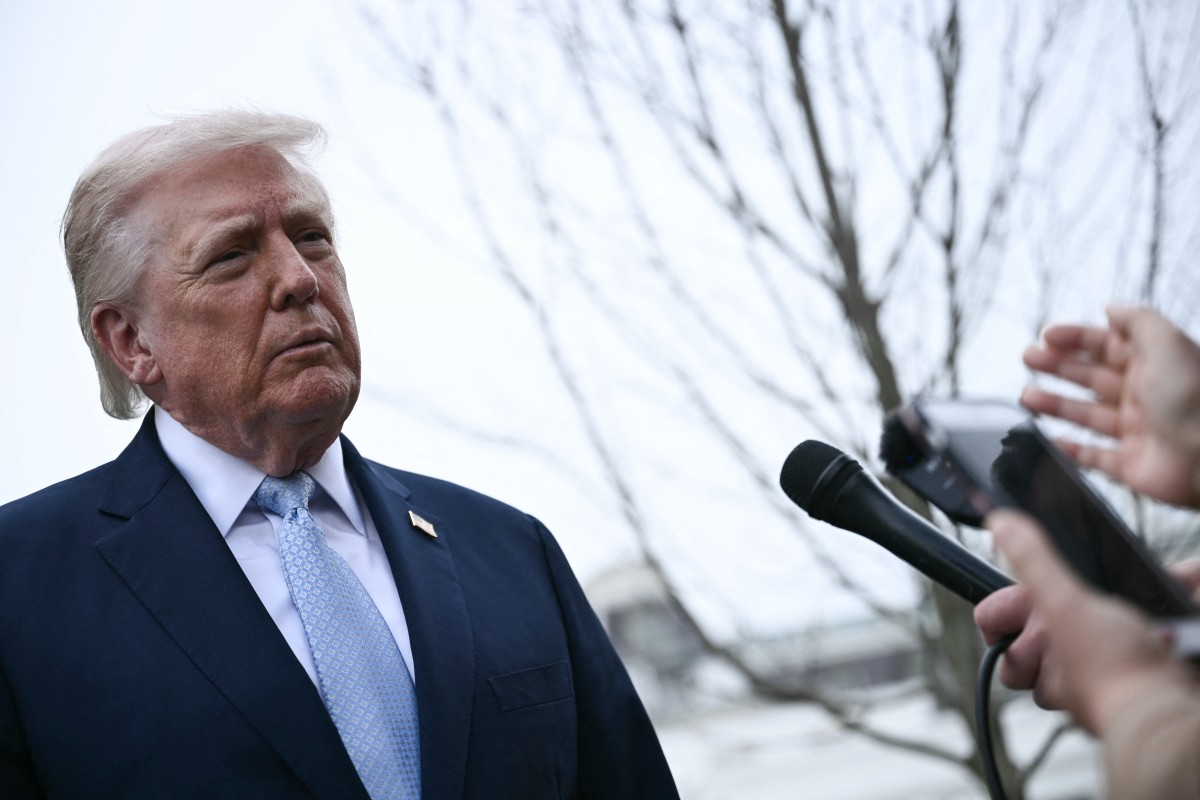
In response, the Iranian military’s operational command warned: "If Iranian oil and energy infrastructure is attacked by the enemy, all U.S. energy, IT, and desalination facilities in the region will be targeted."
This came after Tehran’s response to an attack on the Natanz nuclear facility, when Iran fired multiple missiles at southern Israel in retaliation for the strike on Natanz.
The missiles struck the cities of Dimona, home to a nuclear facility, and Arad, injuring more than a hundred people.
Israel announced it would respond with a new wave of strikes on Tehran on Sunday.
Explosions were also heard in Jerusalem, according to AFP reporters, after the Israeli army warned of missiles coming from Iran toward central Israel.
Iran's official news agency, IRNA, reported on Sunday that a drone attack targeted a military base near Baghdad International Airport.
Trump's focus, however, remained on the de facto besieged strait, through which typically a fifth of global energy exports pass.
The war has shaken markets and driven oil prices higher, with Brent crude now exceeding $105 a barrel, amid concerns about the long-term impact of the conflict on the global economy.
Trump criticized NATO countries, calling them ‘cowards’ and urging them to secure the strait.
On Saturday, 22 countries—mostly European, along with Bahrain and the UAE—announced their readiness to contribute to efforts to ensure safe passage through the strait.
They condemned "the actual closure of the Strait of Hormuz by Iranian forces."
As thousands of additional U.S. Marine Corps personnel head to the Middle East, the U.S. Central Command announced airstrikes this week on an underground Iranian coastal facility, saying it had "diminished" Tehran’s ability to threaten navigation in the Strait of Hormuz.
- "Terrifying" -
The Iranian missile attack on Israel shows that the Islamic Republic’s arsenal remains capable of threatening the region, despite statements by Trump and Israeli Prime Minister Benjamin Netanyahu that Iranian forces have been weakened.
The Iranian strikes on Arad and Dimona damaged residential building facades and created craters in the ground, marking the most destructive attacks on the Jewish state since the war began.
FP footage from Arad showed rescuers searching for the injured under the rubble of a destroyed building.
One Arad resident, 17-year-old Ido Franky, told AFP near the site—where the agency’s correspondent saw three damaged buildings and firefighters reported a blaze: "We heard a huge explosion! My mother started screaming."
He added, "It was terrifying… this city has never seen anything like it before."
Dimona is believed to host the region’s only nuclear facility, though Israel never explicitly acknowledges possessing nuclear weapons and emphasizes that the site is used for research.
The missile fell five kilometers from the nuclear facility, injuring about 30 people, according to rescue personnel.
Amid these developments, Rafael Grossi, Director General of the International Atomic Energy Agency, called for "restraint" to avoid "the risk of a nuclear incident."
Iran continued its attacks on Gulf countries, accusing them of allowing the U.S. to use their territories to launch strikes against it.
On Sunday, Saudi Arabia reported the launch of three ballistic missiles in the Riyadh area and the interception of drones.
The UAE announced that its air defenses had intercepted Iranian missile and drone attacks.
Additionally, Iran attempted, "unsuccessfully," to strike the British-American Diego Garcia base in the Indian Ocean, about 4,000 kilometers away, according to a British official speaking to AFP—what would have been the farthest Iranian attack yet had it succeeded.
Iran did not claim responsibility for the attack.
- Remarkable Resilience -
Analysts say the Iranian government has endured despite losing senior leaders, and its ability to carry out strikes has exceeded expectations.
Neil Quilliam from Chatham House said in a podcast for the think tank: "The Iranians are showing a significant amount of resilience we did not expect, and neither did the United States when they engaged in this confrontation."
On Saturday, thousands performed Eid al-Fitr prayers in Iran as the war enters its fourth week.
The Supreme Leader of the Islamic Republic traditionally leads the Eid prayers, but the country’s new leader, Mojtaba Khamenei—who succeeded his father, Ali Khamenei, after the latter was killed on the first day of the war, February 28—has yet to appear publicly.
Standing in for him, Iranian Judiciary Chief Gholam Hossein Mohseni-Ejeie led the prayers at the Grand Imam Khomeini Mosque in central Tehran.