

Iran conflict: Three possible scenarios and the risk of regional war
As military strikes escalate from Iran’s targets to Gulf energy and civilian infrastructure, the conflict now balances between controlled confrontation, regional escalation, and international diplomatic efforts.




 Messenger
 Whatsapp
 Threads
 Email
Email
 Print
Print
 X
X
 Facebook
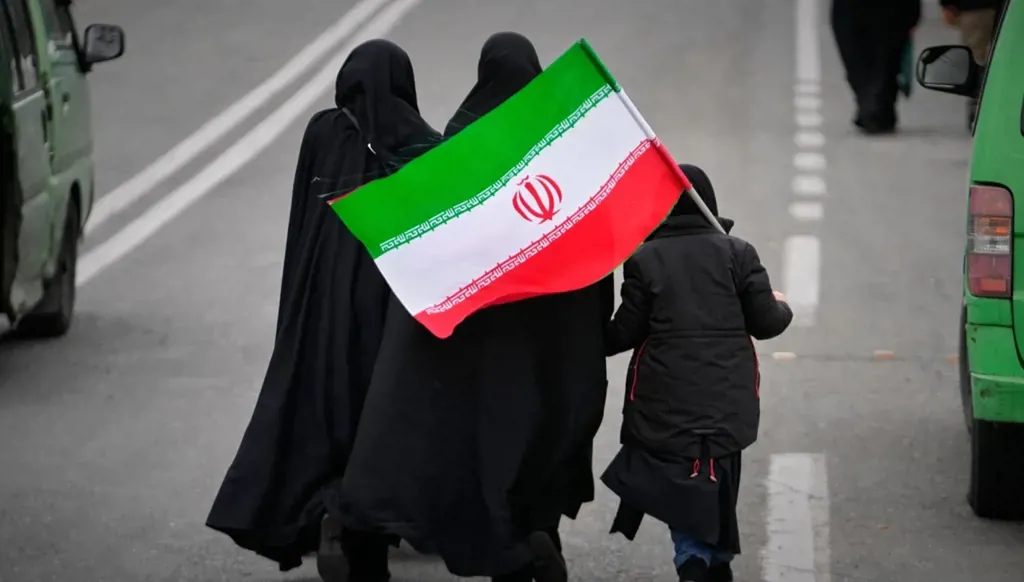


Three weeks after the outbreak of war between Iran on one side and the United States and Israel on the other, the question is no longer whether the confrontation will escalate, but how, when, and in which direction. As strikes shift from military targets to energy facilities and civilian infrastructure, and as threats extend to the Strait of Hormuz and possibly soon to Bab el-Mandeb, the war has entered a new phase where military calculations intertwine with global economic considerations. This leaves its course open to three main scenarios, differing in their level of escalation and the extent of their impact.
Controlled Escalation
This scenario is based on the continuation of the war within its current framework, keeping the confrontation confined to the three main parties without direct involvement from additional countries, while maintaining an intense but calculated pattern of strikes. Despite its military involvement and the threat of a ground intervention in Iran or Kharg Island, Washington still seeks to manage the level of escalation to prevent it from turning into a full-scale regional war. Meanwhile, Israel continues targeting Iran’s strategic infrastructure, particularly assets linked to the nuclear program and missile capabilities.
Iran, for its part, appears keen to maintain a balance of mutual deterrence without pushing the confrontation past the point of no return. This is reflected in the measured nature of its responses, which, while expanding in scope, remain calculated. However, this delicate balance has begun to erode with the involvement of the energy sector at the center of the confrontation, especially after Israel struck the South Pars gas field. This represented a dangerous shift in the nature of the war, prompting U.S. President Donald Trump to quickly deny any prior knowledge of or coordination regarding the strike.
As a result, “controlled escalation” no longer implies actual containment, but rather the management of an open confrontation with a risk of losing control. A single mistake or a strike with significant impact could completely change the rules of engagement.
Regional War
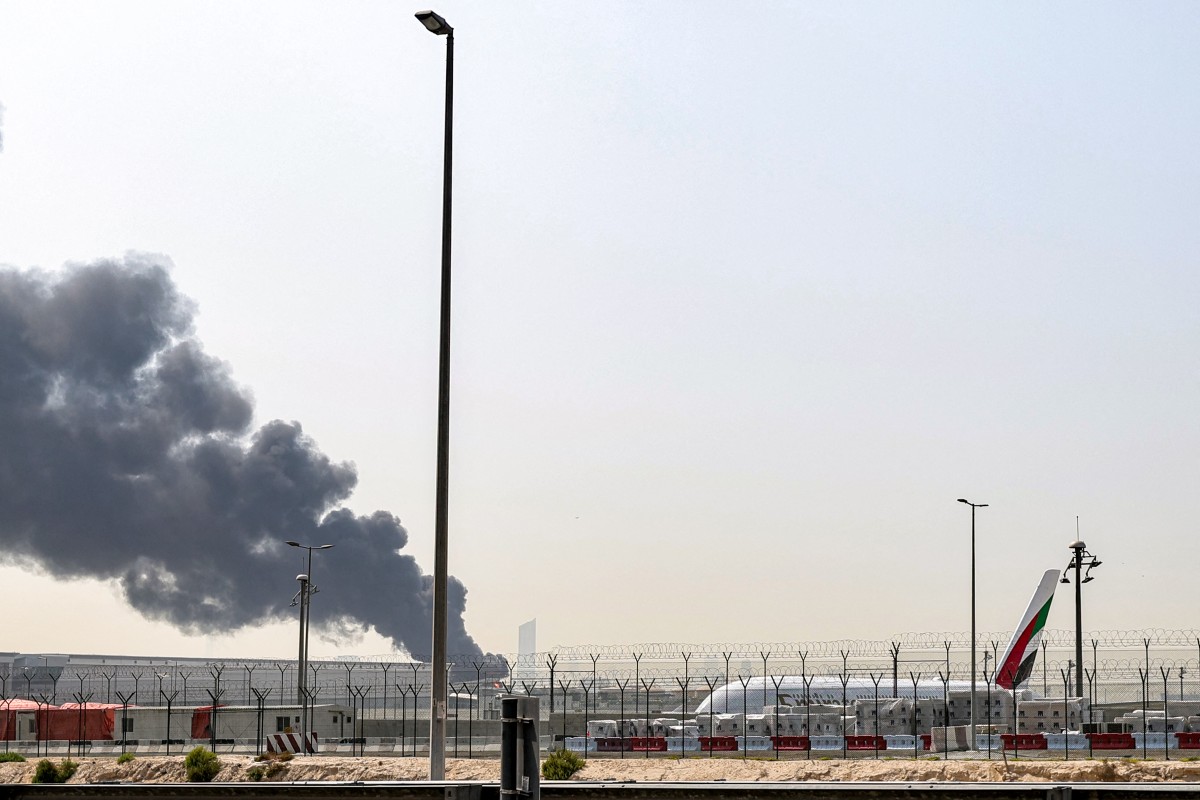
The second and most dangerous scenario involves the war turning into an open regional conflict, a possibility that no longer seems far-fetched in light of recent developments. The expansion of strikes to oil facilities and civilian targets in Gulf countries indicates that the confrontation has moved beyond the original three-party framework of the United States, Israel, and Iran, becoming directly linked to global energy security.
This shift places Gulf countries in a difficult position, balancing between containing escalation and becoming directly involved—especially if attacks on critical infrastructure continue or cause direct human casualties. In such a case, entering the war may no longer be a political choice but a security necessity, even if limited to defensive roles or restricted operations.
The maritime dimension adds further complexity to this scenario. Rising tensions in the Strait of Hormuz, alongside European discussions about readiness to help secure navigation, create the possibility of a direct naval confrontation, which Tehran considers a violation of its red lines. At the same time, Bab el-Mandeb emerges as a potential front. Intervention by the Houthis at Iran’s request, particularly through disruptions to shipping, could lead to a dual paralysis in global trade.
In this context, the war is no longer just a military confrontation. It evolves into a struggle over sea lanes and energy markets, effectively entering a stage of regional—or even partially global—war without any formal declaration.
Diplomatic Pressure
Alongside this escalation, a diplomatic track is taking shape to curb the momentum of the war, led primarily by European and regional actors. Calls are rising to halt attacks on energy facilities and ensure the security of maritime routes, alongside mediation efforts spearheaded by Oman and other parties.
This pressure reflects a growing awareness that continuing the war in its current form threatens the global economy, especially amid disruptions in oil and gas markets. The involvement of international actors such as Japan and Canada in calls to contain escalation adds further weight to this diplomatic track.
However, the chances of success remain limited in the short term, given the ongoing military operations and the absence of any signs that the parties are ready to make significant concessions. Still, this scenario persists and could gradually assert itself as the costs of war rise and its consequences expand.
Where to Next?
Cross-analysis suggests that the war is currently following a dual path: escalation continues within the existing framework while gradually expanding toward the region, particularly through energy facilities and maritime routes.
The turning point has become clear. If attacks on Gulf facilities continue or threats to navigation in the straits intensify, the transition to a regional war becomes closer than ever. On the other hand, if international pressure succeeds in imposing limits on operations, the war may shift toward gradual containment without any of the parties achieving a decisive victory.