John Bolton tells Annahar: Trump’s Iran strategy falters as Hezbollah wanes
The former National Security Advisor highlights internal tensions in Iran and the ongoing regional risks from armed factions.



 Messenger
 Whatsapp
 Threads
 Email
Email
 Print
Print
 X
X
 Facebook
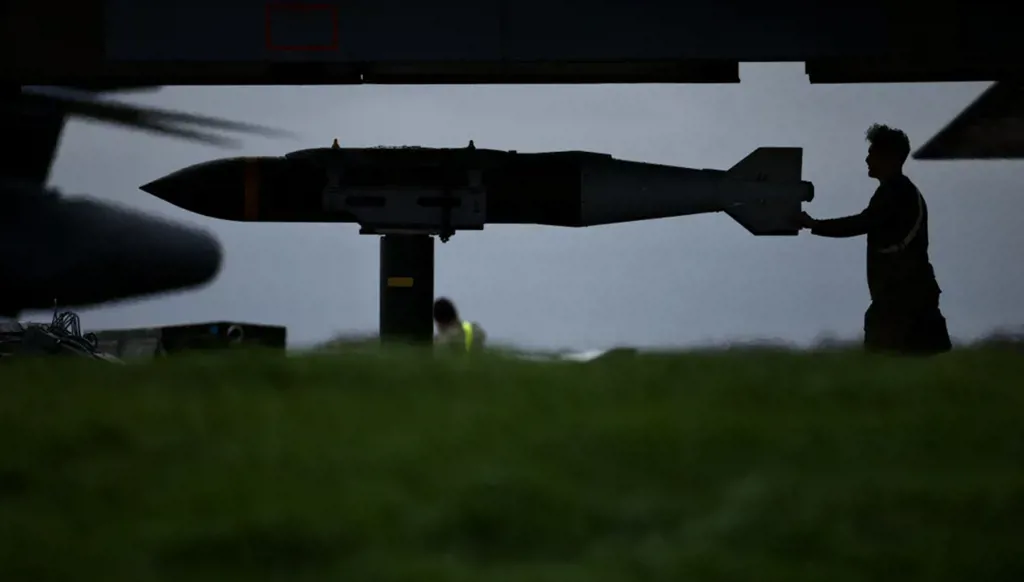


There is ambiguity surrounding the positions of U.S. President Donald Trump. He has stated that the objectives in Iran have been exhausted and that the end of the war is near, yet the situation on the ground remains unclear. The regime has not yet fallen, the religious establishment managed to elect Mojtaba Khamenei as Supreme Leader, and the military institutions, led by the Revolutionary Guard, continue to target Israel and the Gulf, along with allied factions such as Hezbollah.
Consequently, it is unclear which objectives have actually been achieved. The Iranian regime still exists, even if it may face structural cracks, the ballistic missile program continues its offensive operations, and the nuclear stockpile remains in Iran. Any damage inflicted on these programs could potentially be repaired as long as the Iranian regime endures.
Trump “made a mistake”
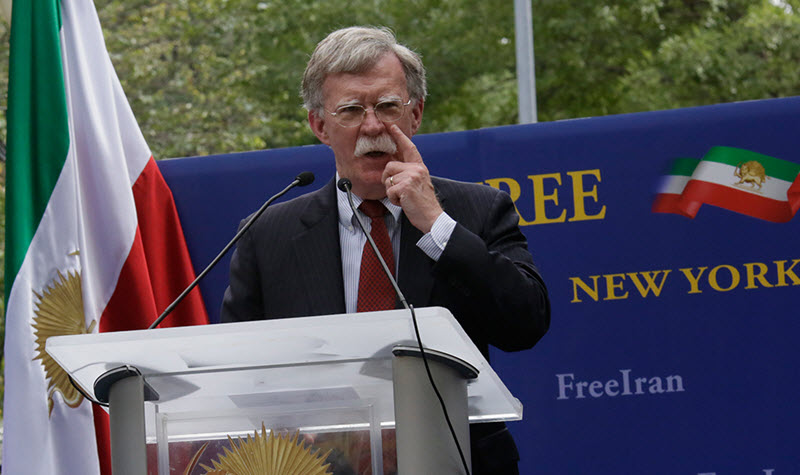
John Bolton, former U.S. National Security Advisor and once close to Trump during his first term before they parted ways, speaks to Annahar about the war and its consequences. He says Trump “was not clear” about his objectives and accuses him of having “made a mistake.” In Bolton’s view, the “right” goal should have been “regime change,” because as long as the regime remains, Iran will continue to have the capacity to “possess nuclear weapons, ballistic missiles, and support for terrorism.”
Many believe that the assassination of Supreme Leader Ali Khamenei would have been the turning point leading to the regime’s collapse. Yet Iran managed to maintain a degree of cohesion and elected Mojtaba Khamenei as Supreme Leader. Bolton sees the son as “as hardline” as his father, enjoying the support of the Revolutionary Guard, which “runs” Iran. Mojtaba’s selection as successor is evidence of this and reflects the Guard’s “power” within the country.
The regime’s fall… and survival
Trump warns that the war may end soon. Bolton believes that ending the war would mean the “regime will remain in power” and continue its current policies. In his view, it would return to efforts to rebuild its nuclear and missile programs and continue supporting Iran-aligned factions in Lebanon, Yemen, and Iraq, making the entire operation “pointless,” referring to the ongoing conflict.
However, Bolton does not rule out the possibility of the regime collapsing. Iran is expected to face cracks that could lead to the system’s fall, whether politically or economically. The former National Security Advisor notes internal fractures: Mojtaba faces “strong opposition within the regime,” especially from those opposed to the Shah’s legacy and dynastic succession. This is part of the internal disputes that could split the regime at the top of the power hierarchy, compounded by Mojtaba’s lack of popularity in rural areas.
Will the regime change?
The possibility of the regime’s collapse remains strong, especially if the war continues for an extended period. Bolton notes that the regime is “at its weakest,” and forming a temporary military government outside the Revolutionary Guard—but led by the regular army—could potentially restore order and allow the Iranian people to decide the future structure of their constitutional system. Clearly, this would lead to an outcome “completely different” from the current reality.
Hormuz and oil
Bolton finds it surprising that Trump “did not consider” the possibility of rising oil prices if Iran were to close the Strait of Hormuz during a military operation. This, he suggests, may explain the president’s desire to “declare victory quickly.” In his view, the United States has the capacity to reopen the strait, yet it is surprising that this was not given political or military priority in the early days of the war.
Hezbollah: Eliminating it is possible
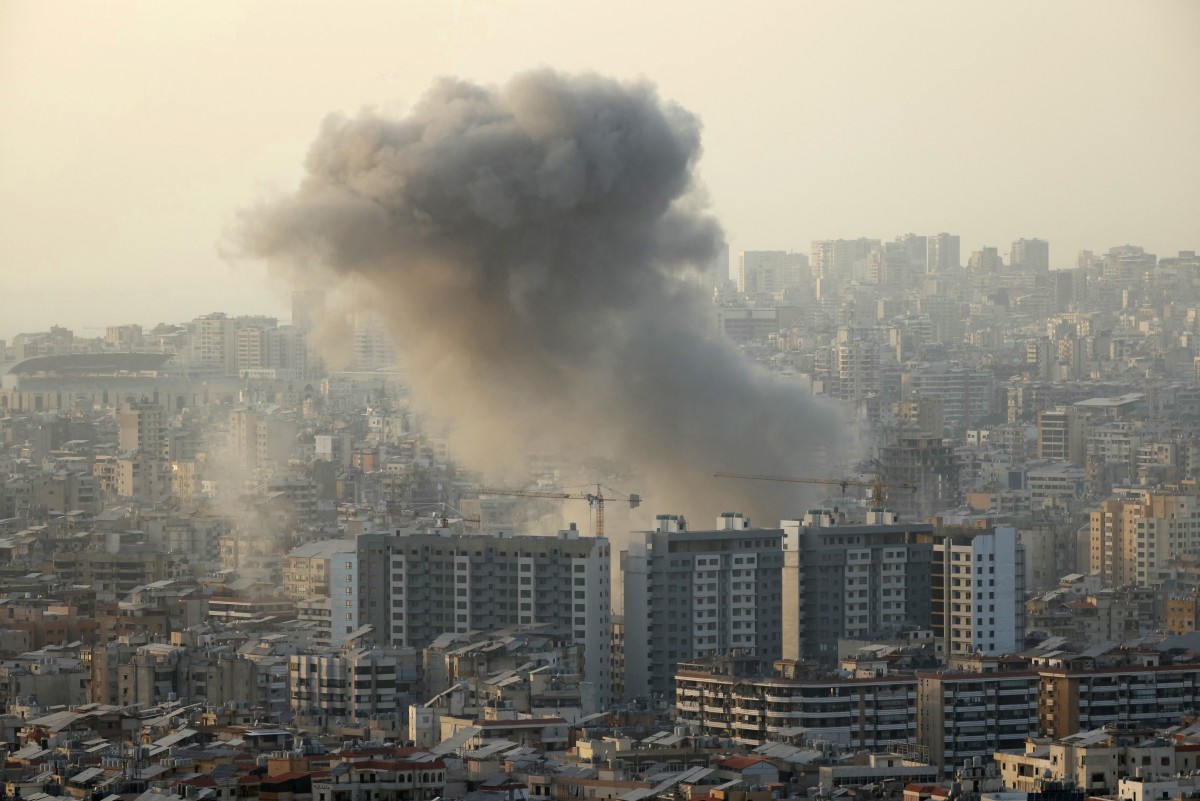
Bolton also addresses Hezbollah and Israel. In his assessment, the major development is the Lebanese government’s ability to “cooperate” with Israel against the party, which has become “very weak.” He sees this as an indication that it is possible to “eliminate Hezbollah,” destroy its weapons, missiles, and stockpiles, and significantly reduce its influence in Lebanon. He believes Israel is using force to end Hezbollah’s military capability.
In conclusion, the period before the Iran war is not the same as after it in Iran and the Middle East. The region stands at a crossroads: the fall of the Iranian regime would close a long chapter of missile and nuclear threats in the region and the funding of armed factions that have dominated sovereign decisions in their countries. But the survival of the Ayatollah-led system may provoke a stronger response, keeping the region in a state of stalemate.