

The war that could break Lebanon: Scenarios for ending the conflict
From missile stockpiles to geopolitical pressures, analysts warn that Lebanon’s survival hinges on timely peace talks with Israel.



 Messenger
 Whatsapp
 Threads
 Email
Email
 Print
Print
 X
X
 Facebook
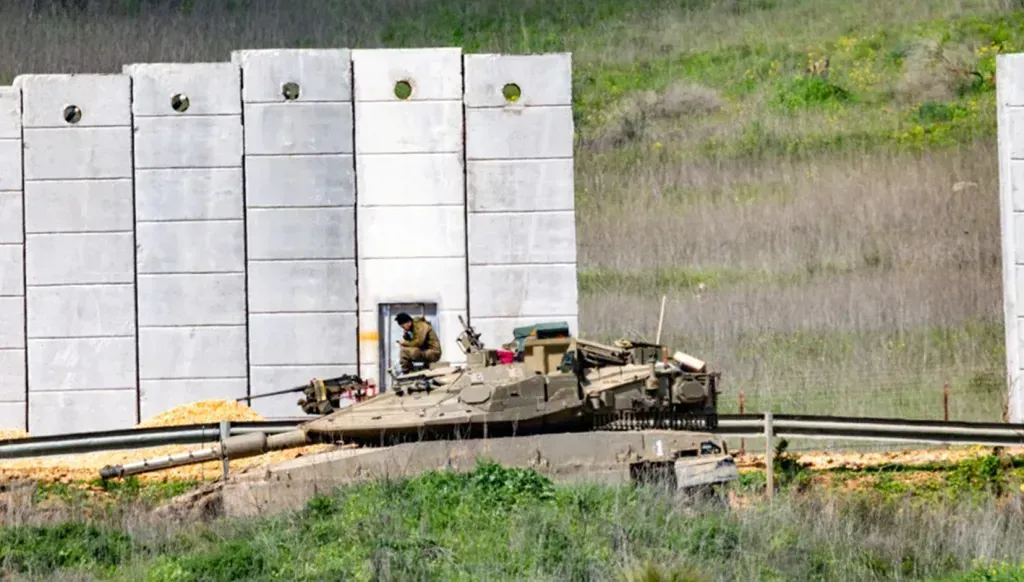


The Lebanese scene is buzzing with questions: When will this costly war in Lebanon end? Especially since the country has just come out of supporting Gaza, only to find itself drawn into backing from Iran through Hezbollah on an ideological and doctrinal basis. As a result, the situation in Lebanon has become the most dangerous in the history of Lebanese wars and crises, marked by the largest internal displacement in the country’s history.
So what are the expected scenarios for ending the war? Will it be through negotiations and achieving peace with Israel, a settlement, or a ceasefire agreement? In other words, direct negotiations as proposed by the President Joseph Aoun and the Prime Minister Nawaf Salam have become an essential demand. While some continue to hedge by keeping certain components in play, Lebanon is paying a heavy price and cannot endure more under the current economic and social circumstances. In other words, the country is facing multiple disasters, not just a single catastrophe.
This raises questions about Hezbollah’s missile stockpile—will it be used until the last rocket, given the massive quantities stored over past years, and according to reports, supplied by Iran through its Syrian depots even before Bashar al-Assad’s regime fell, specifically to the Bekaa, the south, and other locations? Or will Israel carry out a ground operation that targets the collapse of the Iranian regime or the destruction of its military infrastructure, which would, as several U.S. and Israeli officials say, effectively shut off Hezbollah’s “faucet”? That is, if the Iranian regime collapses, it will directly impact Hezbollah.
In this context, former MP Fares Said told Annahar about the expected scenarios for ending the war in Lebanon: “There is no alternative to peace except peace. The initiative by the President Joseph Aoun and the Prime Minister Nawaf Salam is timely, meaning they have announced Lebanon’s readiness to negotiate with Israel to end this war. The timing of such an agreement, after invoking the principle of consensus, depends on the ground realities, because Israel wants to create a military reality on the ground first and negotiate from that position. Hezbollah, on the other hand, hopes for the collapse of the Lebanese state so that it can become the primary negotiator with Israel—but this will not happen.”
Former MP and retired Brigadier General Wehbe Katicha told An-Nahar: “How can Hezbollah continue the war? It hides among civilians and fires rockets where its base is located. Reports indicate that the south has been emptied of residents. Will the areas near Zahrani and Sidon allow Hezbollah to fire rockets? Absolutely not—neither the local population nor areas like Jezzine would allow it. Any region it might try to target would be heavily constrained. Ultimately, striking the ‘head of the snake’—Iran, which attacks the Gulf, funds, and supports Hezbollah—would automatically end Hezbollah. Therefore, there are multiple scenarios: either Iran is hit and destroyed, drying up Hezbollah’s missile stock and capacity to launch them, or, more prominently, a ground invasion by Israel could take place. All scenarios are on the table, given a U.S.-Israeli decision to eliminate Hezbollah.”