

Gulf patience vs. Iranian strategy: The fragile road to regional mediation
As diplomatic channels seek to prevent war from spilling over, Tehran’s nuclear ambitions and Gulf patience define a fragile balance between containment and confrontation.



 Messenger
 Whatsapp
 Threads
 Email
Email
 Print
Print
 X
X
 Facebook
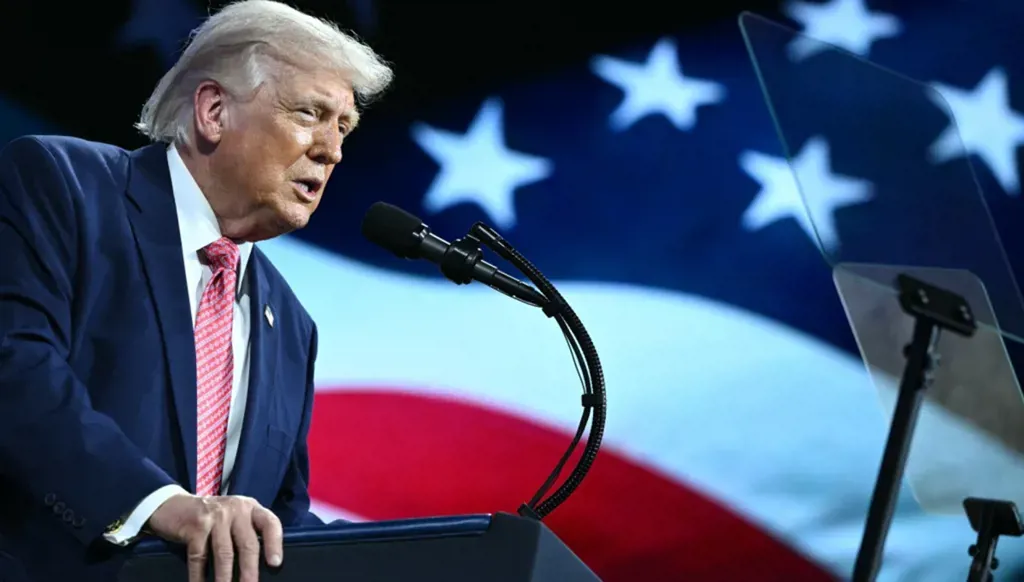


The communications and movements among the regional mediator quartet—Egypt, Turkey, Pakistan, and Saudi Arabia—reveal strong indicators of potential indirect negotiations, or a preliminary meeting rather than a decisive one, between Washington and Tehran, as part of efforts aimed at preventing the expansion of the war, whose implications are shifting from an energy crisis to a food crisis. The Trump administration repeats the same play, offering another chance for diplomacy via Vice President J.D. Vance's portfolio before applying more military pressure on Iran.
Military escalation
The prevailing pessimism about these efforts does not stem from the American or Israeli sides, as their policies remain unchanged. Targeting the Arak and Bushehr reactors or striking Iran’s steel production plants would be a military escalation intended to destabilize the equation between the American‑Israeli and Iranian sides if Iranian retaliation intensifies by targeting Gulf interests.
However, the despair comes from the Iranian side, as the mediators’ message to Tehran stresses the need to address the crisis considering the region’s conditions and complexities, rather than betting on regional powers to pressure Washington and Tel Aviv to stop the war, as the Iranian side thinks and as the Revolutionary Guard suggests in its statements.
The Iranian perspective is not objective and is based on an imagined polarity of good and evil, raising doubts about Tehran’s understanding of regional mediation efforts. Iran’s gradual intervention with the Yemeni Houthi group, leading to threats to navigation in the Bab el-Mandeb, indicates that Tehran is repeating the same mistake it made since President Donald Trump’s withdrawal from the nuclear deal in 2018, by adopting an aggressive nuclear policy based on reducing nuclear compliance to pressure Western powers for the lifting of sanctions. Ultimately, Iran approached a critical nuclear threshold, and the world is now pointing to ambiguities regarding its nuclear program. Now, Tehran is repeating the same erroneous policy, hinting at a possible withdrawal from the Nuclear Non-Proliferation Treaty.
Defensive posture
Iran must also have an objective view toward the Gulf side, which has long suffered from its policies. A part of the Gulf Arab countries’ strategy is essentially a reaction to Iranian threatening strategies. The Iranians must recognize that Gulf Arab countries continue to exercise patience by maintaining a defensive posture and avoiding direct involvement, wishing not to widen the war’s scope.
This is the same message Turkish Foreign Minister Hakan Fidan affirmed, expressing his understanding of Iranian anger at U.S. deceptive policies. Iran was attacked and invaded twice amidst negotiations. However, he also cautioned Tehran against being drawn into an Israeli scheme aimed at embroiling Islamic countries in a long‑term conflict.