

From Ukraine to the Middle East: How drone warfare is redrawing global military tactics
As Iran, the U.S., and Gulf states adopt strategies honed in Ukraine, Kyiv seeks to export its battlefield expertise — but manpower and regional conflicts pose critical challenges.



 Messenger
 Whatsapp
 Threads
 Email
Email
 Print
Print
 X
X
 Facebook
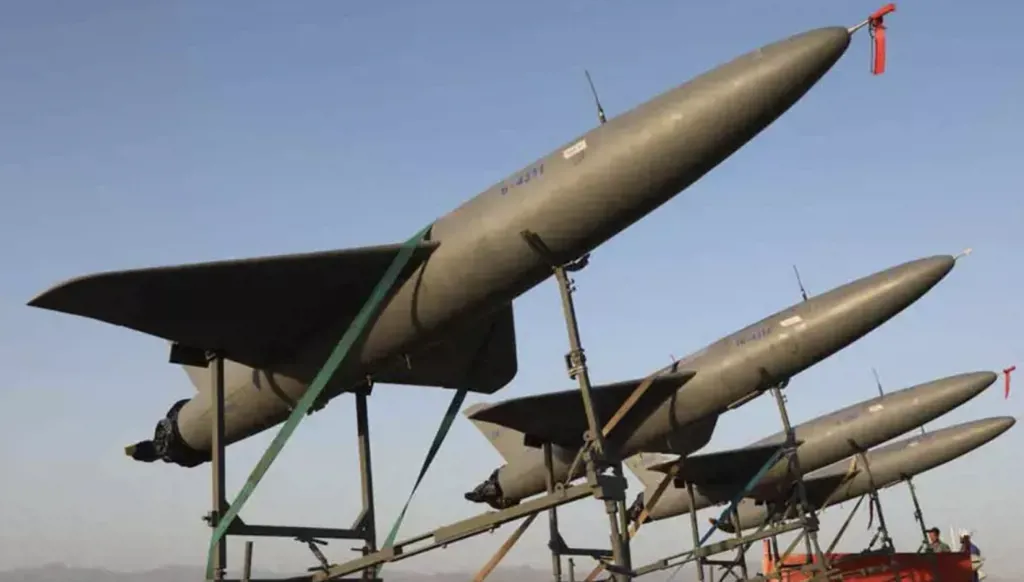


Since the beginning of the Russian war in Ukraine, it has become clear that major powers are exchanging combat and tactical expertise on the battlefield. Iran and the United States are adopting tactics similar to those used by the Russian army in its military strikes and are working to apply them in their own conflicts.
While Kyiv excels before its Western allies with its expertise in drones, we see both Tehran and Washington relying on similar technologies, such as drones and precision missile strikes.
Iran makes intensive use of drones and precision missiles, the same tactics adopted by Russian forces in their war against Ukraine. Whether targeting military assets or infrastructure, Tehran aims to inflict economic and military damage through these means. These strikes, not limited to military targets, strongly echo Russian tactics in Ukraine, where Moscow emphasizes using drones to achieve long-range objectives.
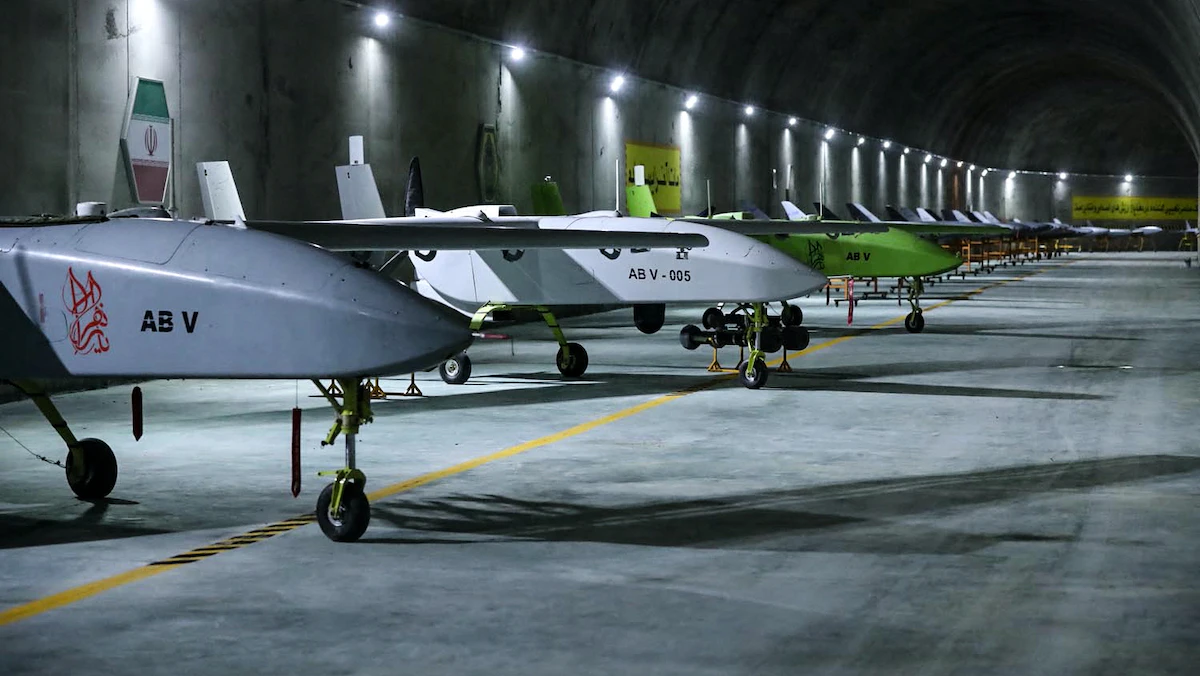
According to military experts, Iran has learned from the Russian experience in the Ukrainian conflict. Tehran has closely observed and benefited from long‑range strike tactics over the years, which has influenced its adoption of a similar approach in its use of drones.
On the other hand, Gulf Arab countries are seeking to build intelligence partnerships and develop air defense systems to counter these drones, following the example of Ukraine.
In the United States, it is also adopting some Russian military tactics in its war against Iran. Since the beginning of the conflict, U.S. forces have used low-cost drones like the Lucas aircraft, similar to the Russian ‘Geran’ aircraft used by Moscow in its attacks on Ukraine.
The discussion about drones is not limited to U.S. military technologies but also includes Iran’s use of Shahed‑136 drones, which have struck targets linked to the U.S. Pentagon and its allies in the region. Although these drones are low‑cost, they have become a significant threat to U.S. and Israeli security, reflecting the development of Iranian tactics and an increased reliance on drones.
In this context, Ukraine has begun offering its services to the United States and Middle Eastern countries to share its expertise in air defense and drones. Despite challenges, including a shortage of specialized military personnel, this initiative represents an effort to apply the experiences Ukraine gained in its war with Russia to the region.
Ukraine is facing significant challenges in terms of manpower. With declining recruitment numbers and difficulties in training new personnel, Kyiv can no longer fully sustain its military operations. Mykhailo Fedorov, the Ukrainian Defense Minister, stated that plans exist to recruit more personnel, including foreign citizens, to address the manpower gap. However, in practice, these new soldiers may require long-term training, which could impact Ukraine’s ability to carry out its military operations effectively.
From these facts, it is clear that military cooperation between countries can take unconventional forms. Amid current challenges, Ukraine seeks to leverage the combat experience gained in its war with Russia to support its allies in the Middle East. But the question remains: Will Ukraine be able to overcome its internal difficulties and achieve effective military cooperation with its partners? The coming days will reveal the answer, especially in light of the ongoing conflict in the Middle East.
Disclaimer: The opinions expressed by the writers are their own and do not necessarily represent the views of Annahar.