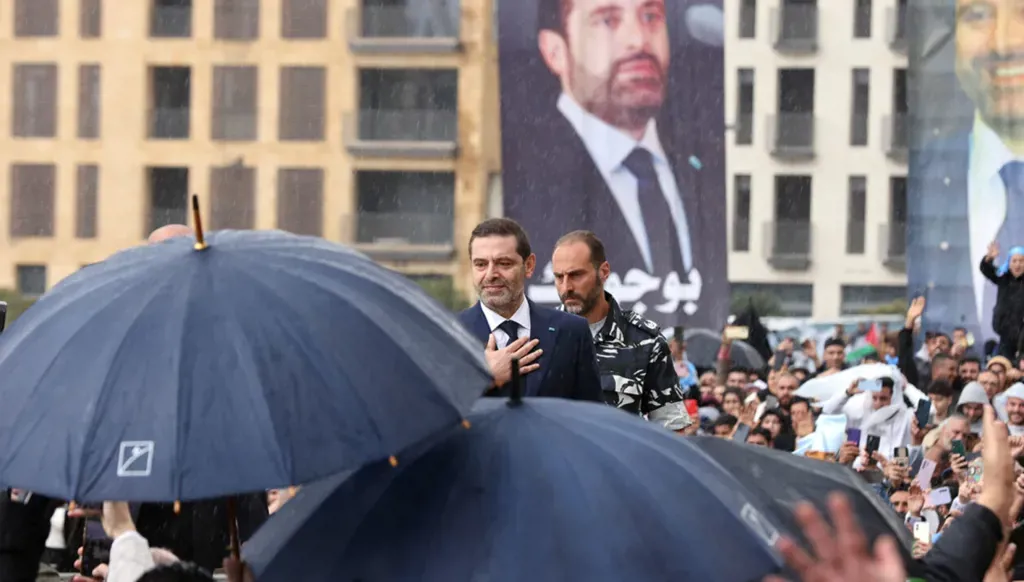
All Lebanese concede to this, as the massive gap continues to widen in the Sunni street, causing serious disruption in the delicate Lebanese balance established after the Taif Agreement. When the Hafez al-Assad Syrian regime began attempts to empty and undermine it, the Maronites and Christians in general were its first targets—until Rafic Hariri was assassinated, causing the second significant imbalance that continues until now.
Perhaps the grave common mistake currently being spread ahead of the 21st anniversary of Rafic Hariri’s assassination is the confinement of the tension and agitation to the decision that Saad Hariri will announce regarding the participation or non-participation of Hariri supporters in the upcoming parliamentary elections. This coincidence with the anniversary and the launch of preparations for the parliamentary elections in May naturally fuels the intensity surrounding a pivotal decision, as many believe that non-involvement of Harirism in the electoral process this time could lead to its erosion in future eras, given the significant impact of its permanent absence from power, influence, and presence both in politics and on the street.
While there is much truth to this equation, it will not fully account for the severe repercussions of Harirism’s exclusion. The targeting of Saad Hariri—as bizarre media and political stages have shown in the last two weeks specifically—has exceeded its internal implications, revealed or veiled, reaching into matters not yet disclosed even to those involved in targeting Saad Hariri, his movement, and his street. In these circumstances, a broader and stronger struggle, deeper than the Lebanese street, is taking shape at this juncture and will not subside with any decision Saad Hariri makes, as if the curse of arena conflicts never departs from Lebanon.
Disclaimer: The opinions expressed by the writers are their own and do not necessarily represent the views of Annahar.





 Messenger
 Whatsapp
 Threads
 Email
Email
 Print
Print
 X
X
 Facebook