

Iran escalation sends shockwaves across markets
Even without open conflict, risk premiums and supply disruptions threaten growth and inflation worldwide.



 Messenger
 Whatsapp
 Threads
 Email
Email
 Print
Print
 X
X
 Facebook
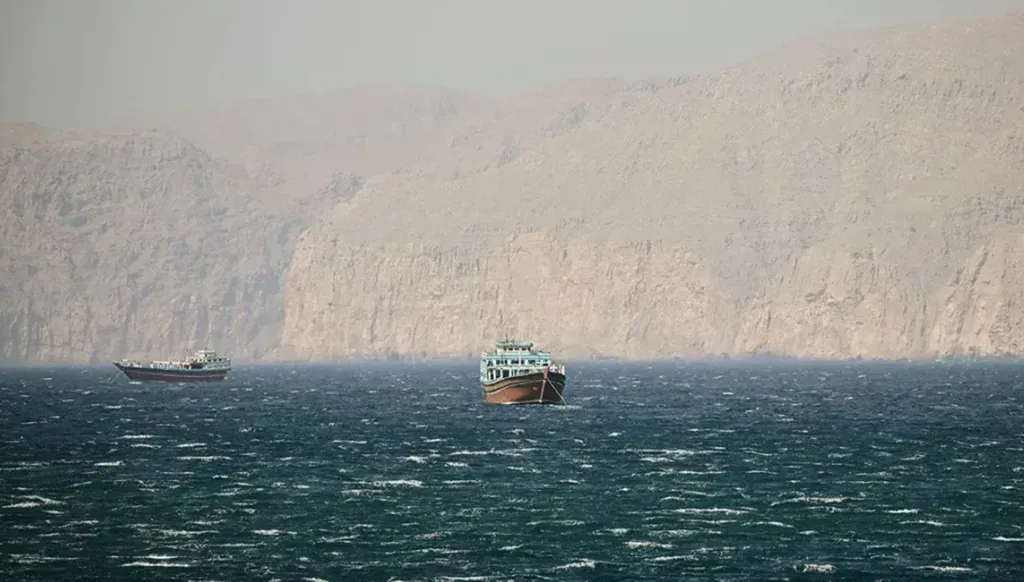


The escalation related to Iran cannot be viewed as an isolated geopolitical event. Rather, it represents a central pressure point on the global economic system. Iran’s strategic position in the global energy equation and its control over vital maritime routes mean that any tension in the region carries significant repercussions. What distinguishes this crisis is not only the possibility of conflict, but also its timing, as it comes amid a global economy already facing slowing growth and rising financing costs, making any shock faster and more severe in its impact.
The first channel of impact is the energy market, which reacts sharply to risk expectations as much as to actual supply and demand. In this context, Iranian production does not need to be physically disrupted for prices to rise. The mere increase in the likelihood of supply disruptions from Iran or through the Strait of Hormuz pushes markets to price in a risk premium, which may trigger a new wave of inflation. This dynamic explains the heightened sensitivity of oil prices to any political development in the region.
The deeper impact is not limited to oil, but extends to global supply chains. Higher fuel prices increase the cost of maritime and land transport, translating into imported inflation that affects multiple economies, particularly those dependent on imports. With potential bottlenecks in routes such as the Bab el Mandeb Strait, the problem is compounded not only in terms of cost, but also in time and uncertainty, which tends to disrupt companies more than price increases themselves. Threats to maritime routes could lead to a structural shift in global trade if the crisis persists. Shipping companies may be forced to reroute through longer and more expensive paths, reshaping supply chains and pushing firms to move away from maximum efficiency strategies toward more flexible but costlier models.
At the level of major economies, the impact differs in magnitude rather than direction. Advanced economies face energy-driven inflation and slower growth, placing central banks in a dilemma between tightening monetary policy and supporting growth. Emerging markets, on the other hand, face a dual shock of rising import bills and declining capital inflows, increasing pressure on currencies and public finances.
Iran may appear to benefit in the short term from higher prices, but this benefit is relative. Gains could erode if the crisis turns into a broader conflict that threatens infrastructure or leads to restrictions on exports. The real advantage depends on Iran’s ability to remain in a state of high tension without escalation, a fragile balance that is difficult to maintain.
During trading on Friday, March 27, oil prices showed cautious volatility, stabilizing after a strong rally driven by geopolitical tensions. Brent crude was trading around 102 dollars per barrel, while West Texas Intermediate hovered near 90 dollars per barrel, reflecting the continued presence of a risk premium.
US warnings point to a rising threat in the Bab el Mandeb Strait, with the possibility of commercial vessels being targeted by Iran backed groups. This passage is not merely a regional route, but a critical chokepoint in the global economy, through which large volumes of oil and goods flow between Asia and Europe. Any disruption would extend beyond shipping, affecting global supply chains through higher transport and insurance costs as well as shipment delays. The overlap of threats in Bab el Mandeb and tensions in Hormuz increases the likelihood of a dual shock in energy markets, further intensifying global inflationary pressures.
At present, the real risk lies in the nature of this interconnected shock. The escalation involving Iran represents a model of 21st century disruptions: rapidly spreading, multi channel, and hitting energy, trade, and confidence at the same time. In a world more interconnected than ever, the impact of any disturbance in this region may far exceed its geographic boundaries.
Aseel Al Aranki is Head of Research and Analysis at RiverPrime