

Oil prices spike on Hormuz risk



 Messenger
 Whatsapp
 Threads
 Email
Email
 Print
Print
 X
X
 Facebook
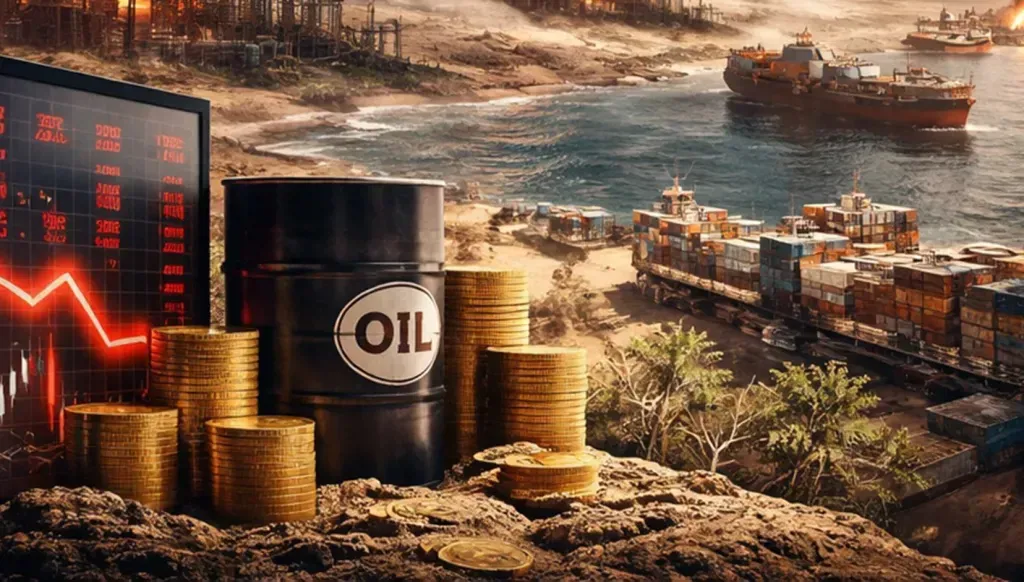


Oil prices rose again today as concerns about supply security returned, particularly amid ongoing tensions in the Gulf and the disruption or restriction of oil tanker movements through the Strait of Hormuz, one of the world’s most important energy routes.
The main reason is fear of supply shortages, not necessarily an actual shortage. Markets move based on expectations, which means that if traders fear an interruption in oil flow, prices rise immediately. Any statement suggesting a possible end to the conflict tends to reassure oil markets.
Current key factors:
• Tensions in the region
• Threats to oil tankers in the Gulf
• Restricted passage through the Strait of Hormuz
• No concrete evidence yet of ongoing negotiations between Washington and Tehran
• Genuine concerns about the crisis being prolonged
These factors lead traders to push prices higher in anticipation of any potential global oil shortage.
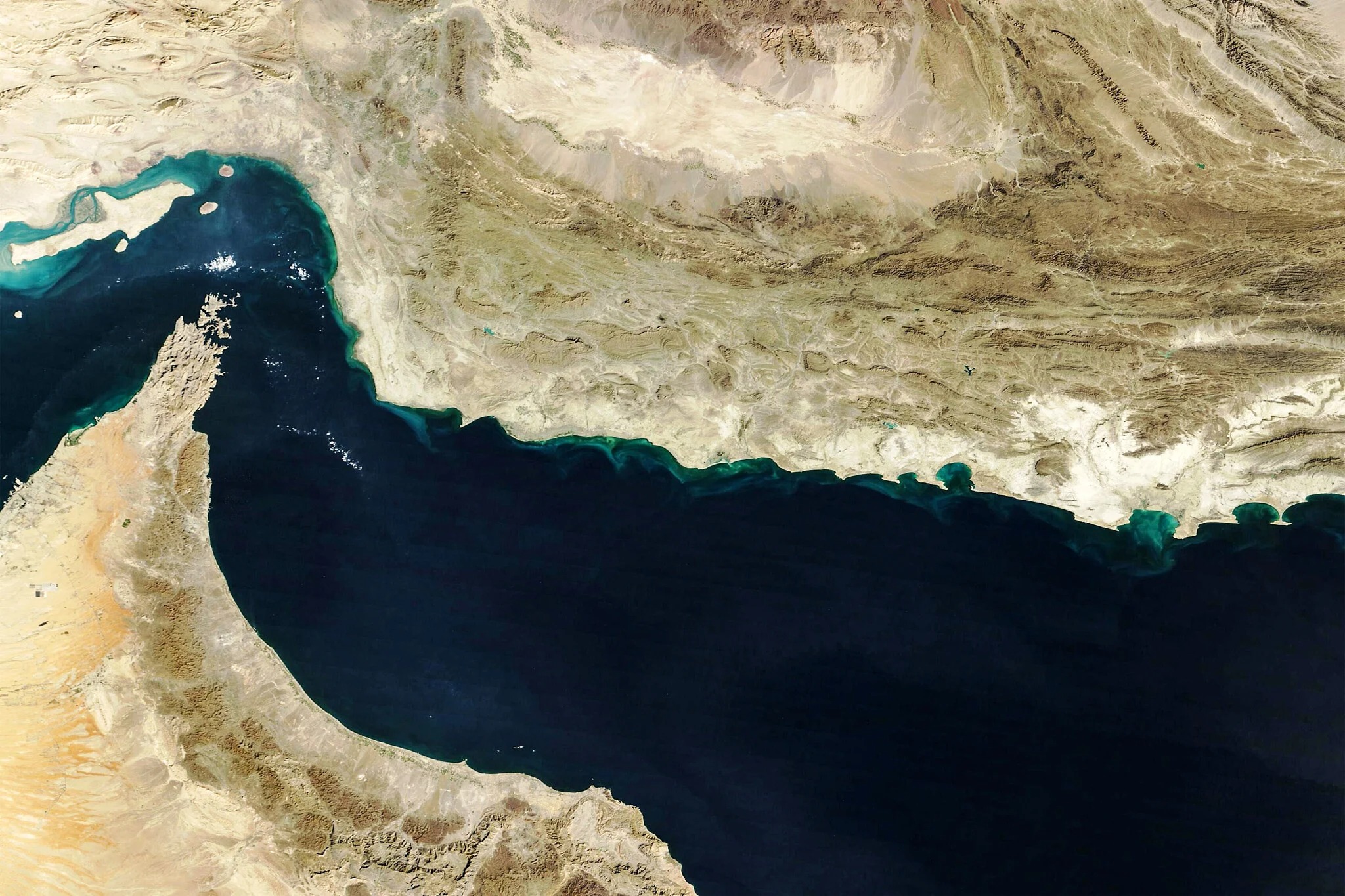
Why is the Strait of Hormuz so important?
About one fifth of the world’s oil passes through the Strait of Hormuz. Any disruption there can immediately push global prices higher, which have already jumped over 47% since the war began on February 28.
Some estimates suggest that disruptions to supply through the Strait of Hormuz have led to:
• Partial halt of oil production
• Full storage tanks
• Certain countries having to use strategic reserves
• Increased fuel prices in Asia and Europe
Oil price levels
In March, oil peaked around $119 per barrel, then stabilized near $100. Markets expect continued volatility as long as uncertainty in Hormuz persists.
Conclusion
Tensions in the Gulf directly threaten navigation through the Strait of Hormuz. This raises fears about oil supply, pushing prices up and adding to global inflation.
As a result, any political or military news from the Gulf now has an immediate impact on global oil markets.