

Coalition of 20 countries move to secure navigation in the Strait of Hormuz



 Messenger
 Whatsapp
 Threads
 Email
Email
 Print
Print
 X
X
 Facebook
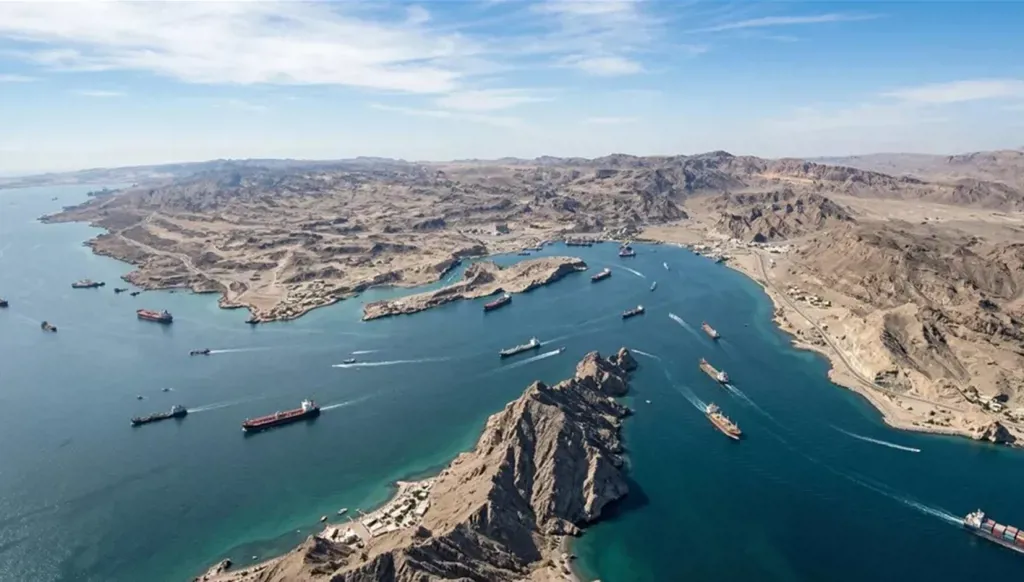


Bahrain participated in the joint statement issued by the United Kingdom, France, Germany, Italy, the Netherlands, Japan, Canada, South Korea, New Zealand, Denmark, Latvia, Slovenia, Estonia, Norway, Sweden, Finland, the Czech Republic, Romania, and Lithuania regarding the Strait of Hormuz.
In the statement, the countries expressed their readiness to contribute to appropriate efforts to ensure safe passage through the Strait of Hormuz. They also welcomed the commitment of countries involved in preparatory planning in this regard, as well as the decision by the International Energy Agency to authorize the coordinated release of strategic oil reserves and to take other steps to stabilize energy markets, including working with certain producing countries to increase production.
The statement noted that the countries strongly condemned the recent attacks carried out by Iran on unarmed commercial vessels in the Gulf, as well as attacks on civilian infrastructure, including oil and gas facilities, and the effective closure of the Strait of Hormuz by Iranian forces.
The countries expressed deep concern over the escalating conflict and called on Iran to immediately cease its threats, the laying of mines, its drone and missile attacks, and all other attempts aimed at disrupting commercial navigation in the strait, and to comply with United Nations Security Council Resolution 2817.
The statement affirmed that freedom of navigation is a fundamental principle of international law, including as set out in the United Nations Convention on the Law of the Sea, noting that the consequences of Iran’s actions will affect people around the world, especially the most vulnerable.
It also stated that, in line with Security Council Resolution 2817, such interference with international shipping and disruption of global energy supply chains constitutes a threat to international peace and security, calling for a comprehensive and immediate halt to attacks on civilian infrastructure, including oil and gas facilities.
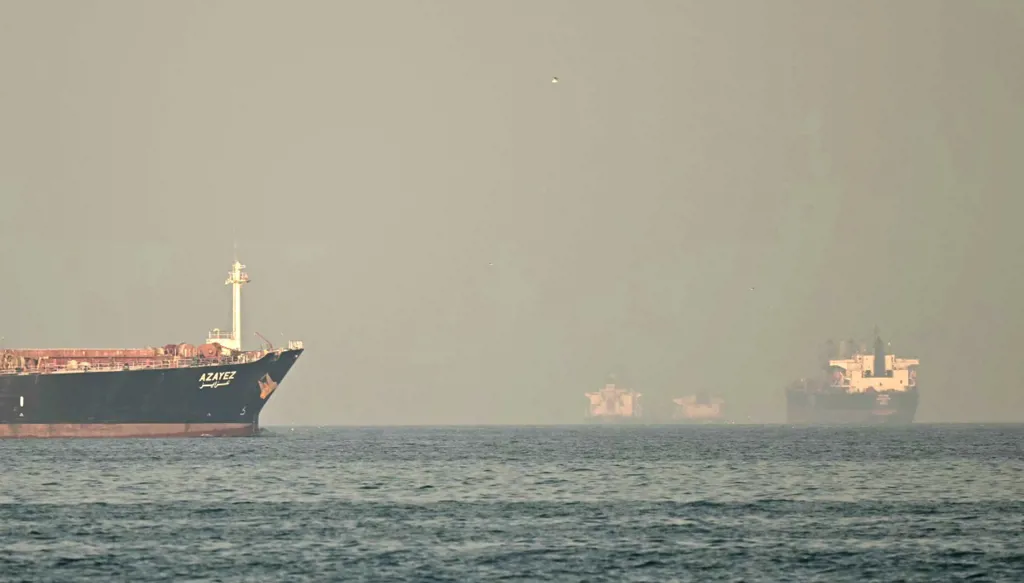
The countries also stressed the importance of working to provide support to the most affected countries, including through the United Nations and international financial institutions, emphasizing that maritime security and freedom of navigation benefit all countries. They called on the international community to respect international law and adhere to the fundamental principles of international prosperity and security.