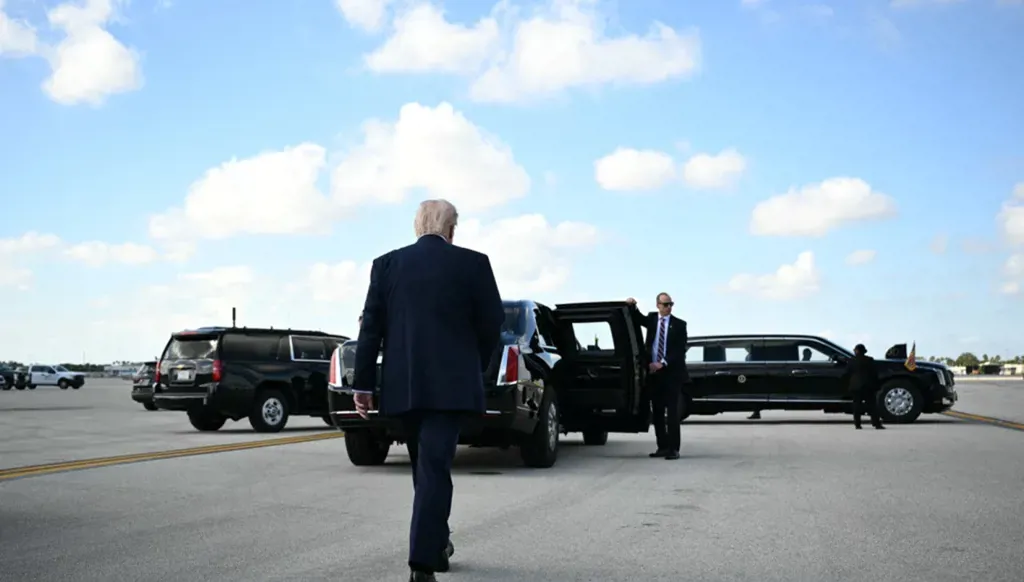
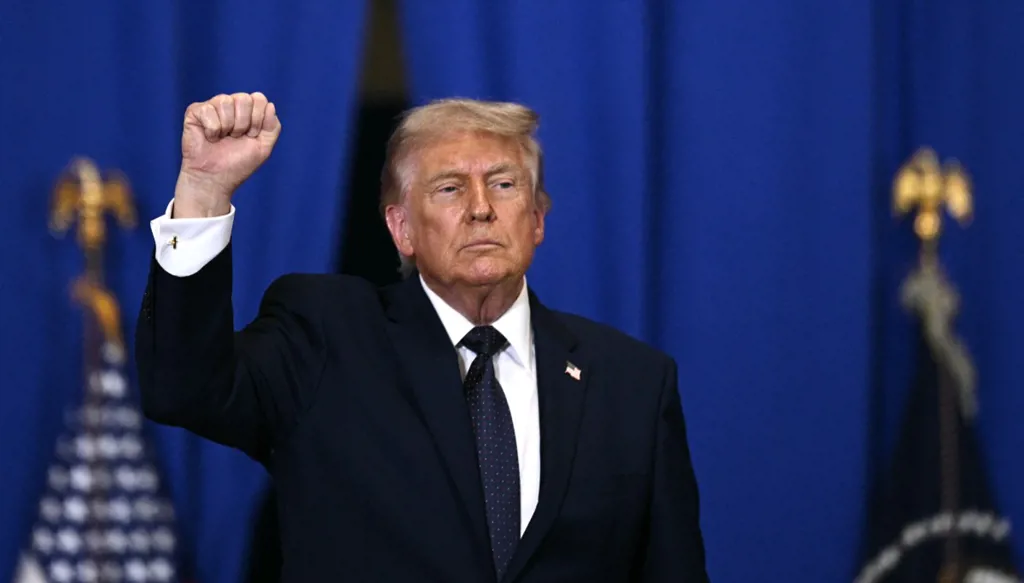
The dealmaker struck an impressive deal last week with the ruling Revolutionary Guard in Iran, gratefully receiving a “gift” of allowing ten major oil tankers to pass through the Strait of Hormuz. He was unfazed by the dangerous precedent of effectively granting the Revolutionary Guard the power to permit or halt tanker passage in the international strait. Instead, he introduced the idea of rewarding Iranian generosity by giving Iran ten days to accept his diplomatic proposals; otherwise, he would carry out his threat to strike energy facilities across the country.
An innovation for an innovation in the era of dealmaker Donald Trump, amid the methods of his special envoy Steve Witkoff, tasked with negotiating with elusive Iranians said to represent a new face of the Islamic Republic of Iran.
Who is misleading whom?
Witkoff’s fifteen clauses for negotiating with the Revolutionary Guard could lead to a surprising agreement, particularly as they include the Trump administration offering substantial concessions to Tehran, such as lifting sanctions and canceling the snapback mechanism, as well as understandings related to ballistic missiles and relatively weak demands regarding proxies like Hezbollah in Lebanon. However, this may also be a trap for the Revolutionary Guard, which rejects both the principle and details of negotiation, by offering it a final diplomatic opportunity that could justify a decisive military strike.
We do not fully know who is misleading whom, nor do we know precisely what the military balances are at this stage of the countdown, whether toward a deal or a military resolution.
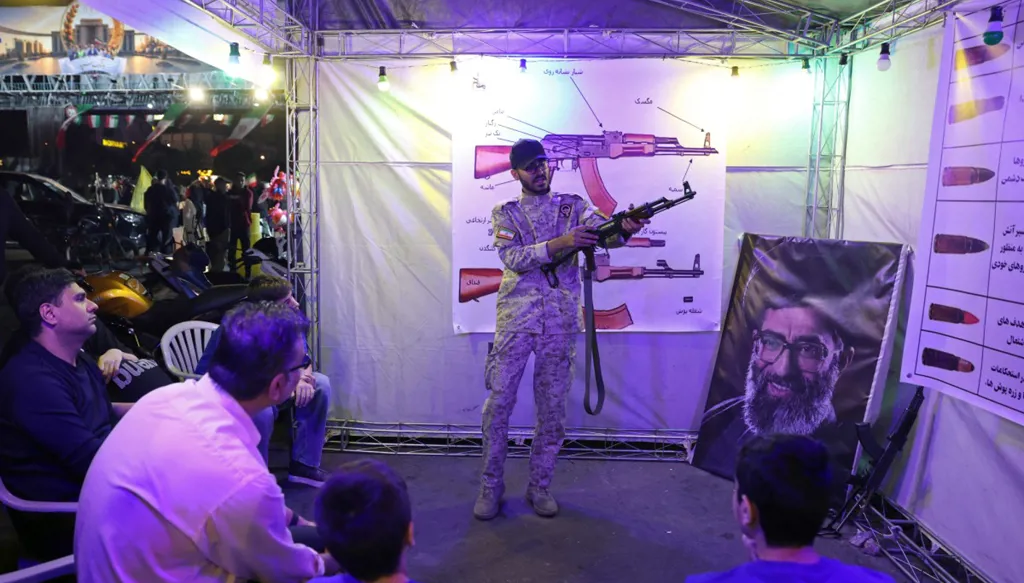
Trump said he is not desperate to strike a political deal with Iran, using the expression, “rather, I do not care.” As for Tehran’s men, they remain as arrogant as usual, boasting about their missile capabilities aimed at neighboring Arab Gulf states, not only at Israel. They violate the sovereignty of Lebanon, Iraq, and Yemen, even seizing these countries to use them as a protective shield for the Islamic Republic of Iran in its war with Israel.
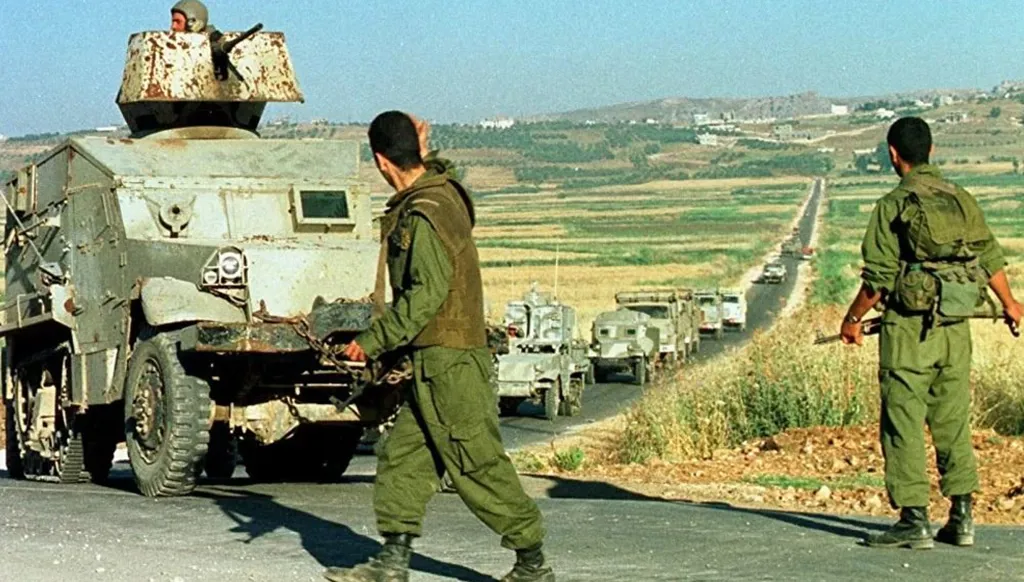
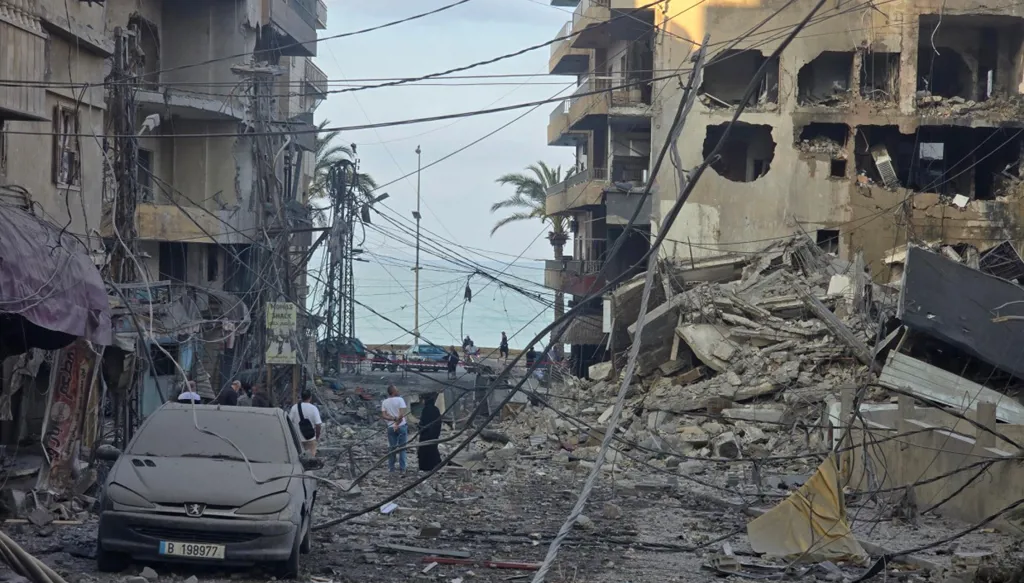
There is concern about how the Trump administration is handling the issue of proxies and arms, with fears of procrastination in addressing these groups—particularly in Lebanon through Hezbollah, in Iraq through the Popular Mobilization Forces, and in Yemen through the Houthis.
There are fears that American negotiators will place these issues last rather than treating them as a primary concern alongside the nuclear file. There is also concern about indications that decisions on ballistic missiles and the issue of proxies and militias may be postponed until after reaching an agreement on the nuclear aspect.
Extremely important point
Why? Because postponing the missile and proxy issues “to later” would be a dangerous indicator of the Trump administration yielding to what Iran wants, just as the Obama administration did when it agreed to exclude Iran’s regional behavior from the nuclear negotiations. This point is extremely important.
The Arab Gulf states are now alert to the possibility of such mistakes and the potential consequences for themselves. As a result, they are coordinating closely within the Gulf Cooperation Council to ensure a unified approach. This strategy emphasizes the importance of deterring militias and missiles, while maintaining freedom of navigation, rather than focusing exclusively on U.S.-Iranian nuclear agreements.
No fatal mistakes
In other words, the Gulf Arab states have tasted the bitterness of American focus on the nuclear file and American neglect of the proxy and missile file, and therefore they do not want to be subject to more fatal mistakes, as happened after Barack Obama’s agreement with Iran on the so-called JCPOA, an agreement Donald Trump tore up.
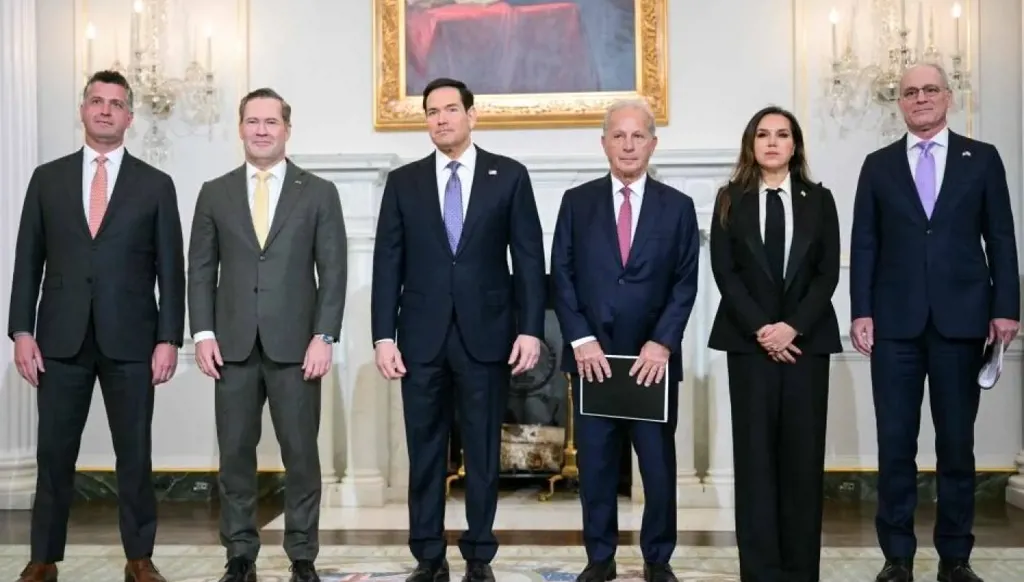
Therefore, Gulf diplomacy is moving toward being present in U.S.-Iranian negotiations, even indirectly, either through Pakistan hosting these talks or through high-level diplomatic moves by foreign ministers of the Gulf Cooperation Council countries toward American leaders and key U.S. administration figures, from Vice President J.D. Vance to Secretary of State Marco Rubio to Secretary of Defense Pete Hegseth.
These countries say that they have suffered the fallout of the American‑Israeli war with Iran, and we—say these countries—have received Iranian revenge and retaliation because we are allied with the United States and because we host American bases.
This aspect is extremely important now in the context of either a military resolution with Iran or understandings between the United States and Iran. In other words, if the Trump administration considers concluding deals as it did in the past—excluding these Gulf states, which endure Iranian retaliation—those states will not remain silent, as they will fully review their relations with the United States, not from the perspective of expulsion or canceling American bases, but from the perspective of redefining the relationships.
Disclaimer: The opinions expressed by the writers are their own and do not necessarily represent the views of Annahar.





 مسنجر
مسنجر
 واتساب
 ثريدز
ثريدز
 بريد إلكتروني
 الطباعة