

Iraq moves against citizens joining foreign armies
Authorities warn of legal penalties as thousands of Iraqis face recruitment for the Russian military, highlighting risks to national security and sovereignty.



 Messenger
 Whatsapp
 Threads
 Email
Email
 Print
Print
 X
X
 Facebook
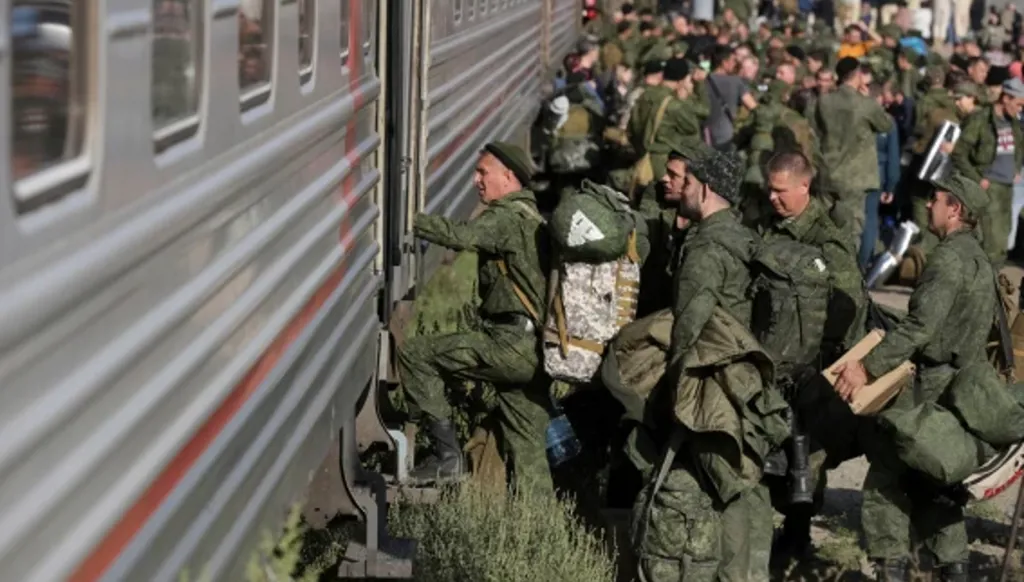


Amid escalating legal and security consequences linked to foreign wars, Iraq has announced a firm stance against its citizens participating in armed conflicts abroad, affirming that joining the military forces of other countries is a clear violation of the law. This position was expressed through the special committee to combat the recruitment of Iraqi citizens, which revealed multiple cases of Iraqis being sent to fight alongside Russian forces in their war against Ukraine.
The Iraqi move comes as part of monitoring information and reports indicating the recruitment of Iraqis to fight in the Russian army. Authorities have stressed that legal penalties will be imposed on anyone proven to be involved, whether through recruitment, fighting, or facilitating such actions. This announcement reflects Iraq’s efforts to safeguard its legal sovereignty, prevent the exploitation of its citizens in international conflicts, and protect the country from potential political and security repercussions that may arise from Iraqis participating in foreign wars that do not represent the official stance of the state.
Official decisions to pursue those involved
A statement from the Iraqi National Security Advisory on Wednesday said, “National Security Advisor Qasim Al-Araji chaired a meeting of the special committee for combating the recruitment of Iraqi citizens into the Russian army, attended by representatives of security institutions, the Ministry of Foreign Affairs, and relevant authorities.”
The statement added that “during the meeting, decisions and measures were taken to address this issue, including activating legal provisions under the Iraqi Penal Code, which prescribes penalties for any Iraqi citizen joining the armed forces of another country.”
The National Security Advisory also emphasized “holding accountable travel companies and entities that help Iraqi citizens engage in such actions, as well as combating funding, recruitment, and networks involved in this issue. The committee approved these decisions in their final form, and they have been submitted to the Prime Minister for implementation.”
On December 26, 2025, Iraqi authorities announced the formation of a committee to address the phenomenon of thousands of Iraqis being recruited to fight for the Russian army in the war with Ukraine and to repatriate them. According to previous statements, Iraqi Prime Minister’s advisor Hussein Alawi said that “Baghdad is closely monitoring the recruitment of Iraqis into the Russian army, that around 5,000 Iraqis have been recruited, and Baghdad is exchanging data with Russia regarding them. Iraq is also taking measures with Moscow to prevent the recruitment of Iraqis into the Russian army.”
Earlier, the President of the Supreme Judicial Council in Iraq, Judge Faiq Zidan, stressed that “the Iraqi Penal Code punishes with imprisonment anyone who joins, in any form, the armed forces of another country without the approval of the Iraqi government.”
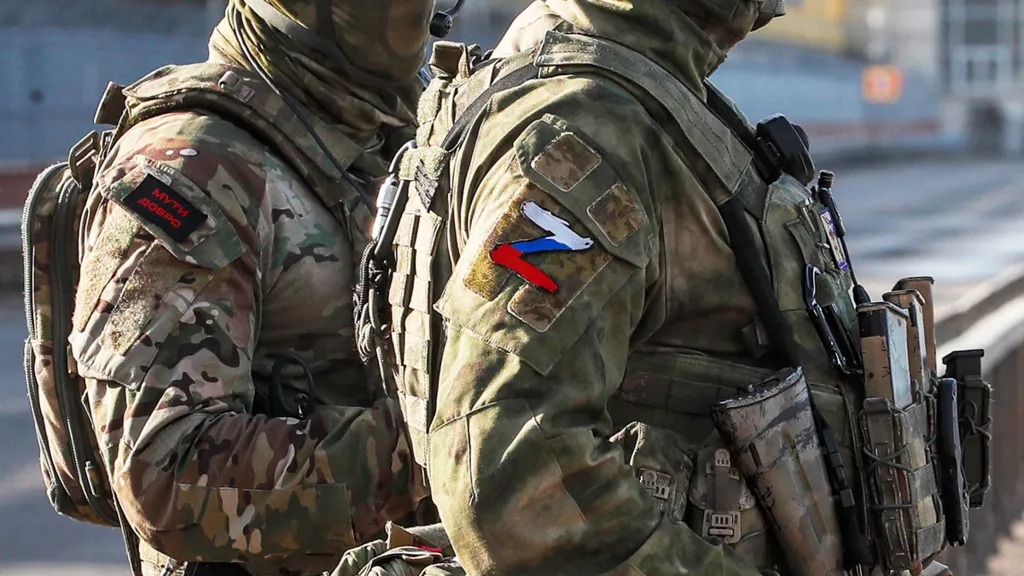
Warnings of legal and security consequences
Military advisor Major General Safaa Al-Asam told Annahar that “the Iraqi government’s announcement to punish any citizen who joins the armed forces of another country represents a significant step in upholding the rule of law and protecting national security. These measures respond to real risks revealed by documented cases of Iraqis participating in fighting alongside the Russian army in the war against Ukraine.”
Al-Asam noted that “the involvement of Iraqi citizens in armed conflicts abroad, especially within regular armies, constitutes a clear violation of existing laws and places the state before complex legal, diplomatic, and security challenges. Iraqi laws criminalize carrying arms or fighting outside the framework of the state and its official institutions.”
He added, “The formation of a special committee to combat the recruitment of Iraqi citizens reflects official recognition of the scale and seriousness of the phenomenon.” He pointed out that “some recruitment networks exploit economic hardships or financial promises to lure young Iraqis into fighting with Russian forces, which could expose them to future legal consequences and negatively affect Iraq’s international reputation.”
The Iraqi military advisor emphasized, “Deterrent penalties should be imposed not only on individuals but also to cut off recruitment sources, preventing any domestic or foreign entities from exploiting Iraqi citizens in conflicts that do not serve the country’s interests. These measures should be accompanied by awareness campaigns that explain the legal and humanitarian risks of such participation and promote constructive options for youth within Iraq instead of pushing them into foreign wars.”