The issue of the exclusivity of weapons overshadows everything else, amid questions about whether Hezbollah will relinquish its arms.
Multiple political circles closely following the matter doubt that the party would commit to or accept handing over its weapons, considering it has established the condition that Israel must withdraw from two or three points first, after which the issue of a defensive strategy could be addressed. This strategy was discussed under President Michel Sleiman and approved, only for Hezbollah to later back out after agreeing to it. Is the defensive strategy—and everything proposed in this context—merely a political maneuver awaiting the outcome of Iranian-American negotiations?
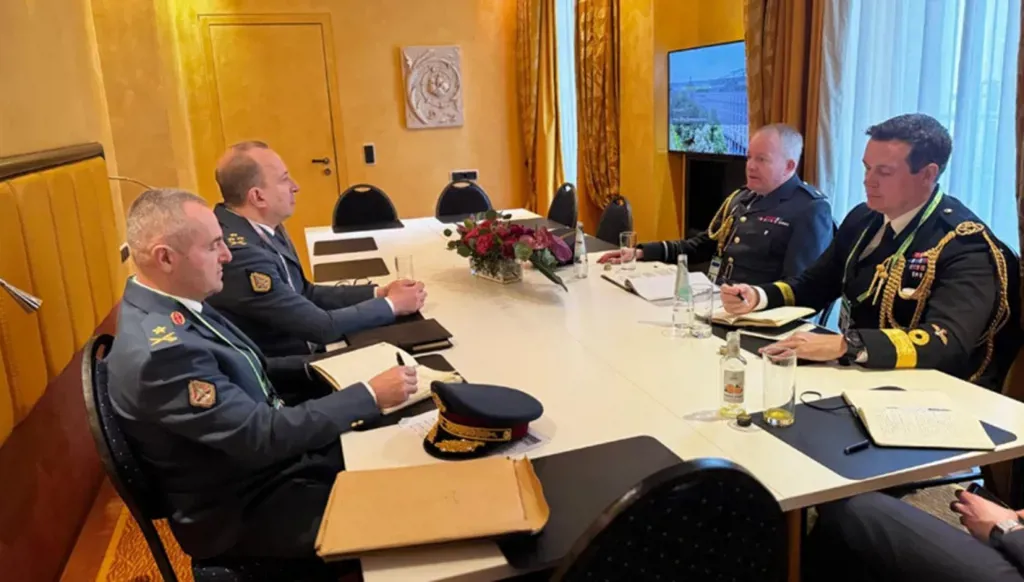
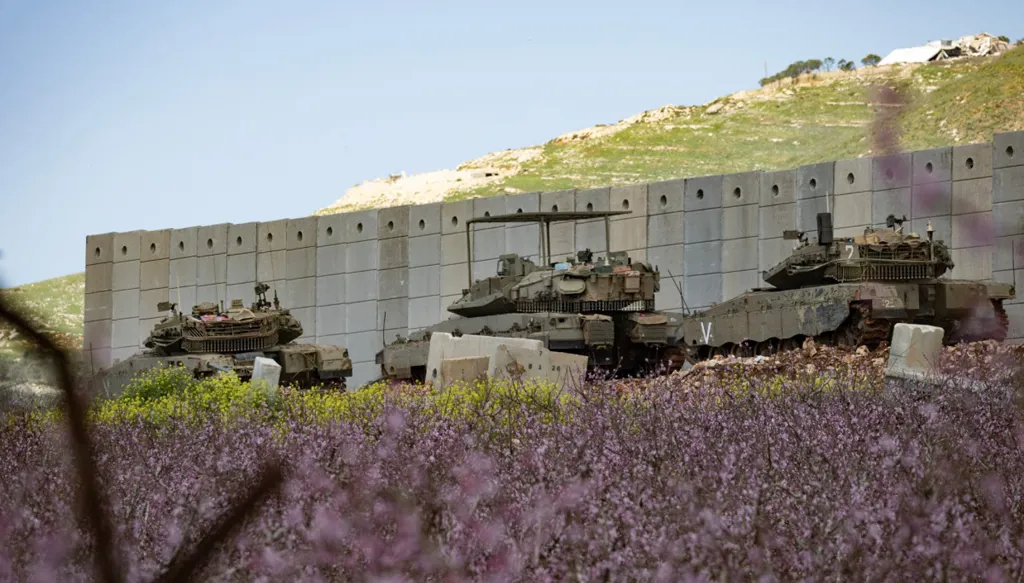
The other question is: Has the international community—including the United States, which is the most stringent regarding Hezbollah and its weapons—come to understand Lebanon’s internal considerations on the exclusivity of arms? It is known that everyone was briefed on the atmospheres of the Army Commander’s meetings in the United States and Saudi Arabia, as well as the President’s meetings with senior officials. The situation is sensitive and delicate, and no one wants a direct clash with the party. Perhaps for these compelling reasons, the international community has come to understand—but not permanently—and the matter might ultimately be left to Israel to carry out large-scale operations to disarm the party or dismantle what remains of its military structure.
More than one scenario has been proposed, and another direction or plan may be emerging through sanctions imposed by Kuwait on health institutions linked to Hezbollah, followed by measures targeting gold traders, financial officials, and others. These actions could coincide with the issue of weapon exclusivity and potentially weaken the party in this context.
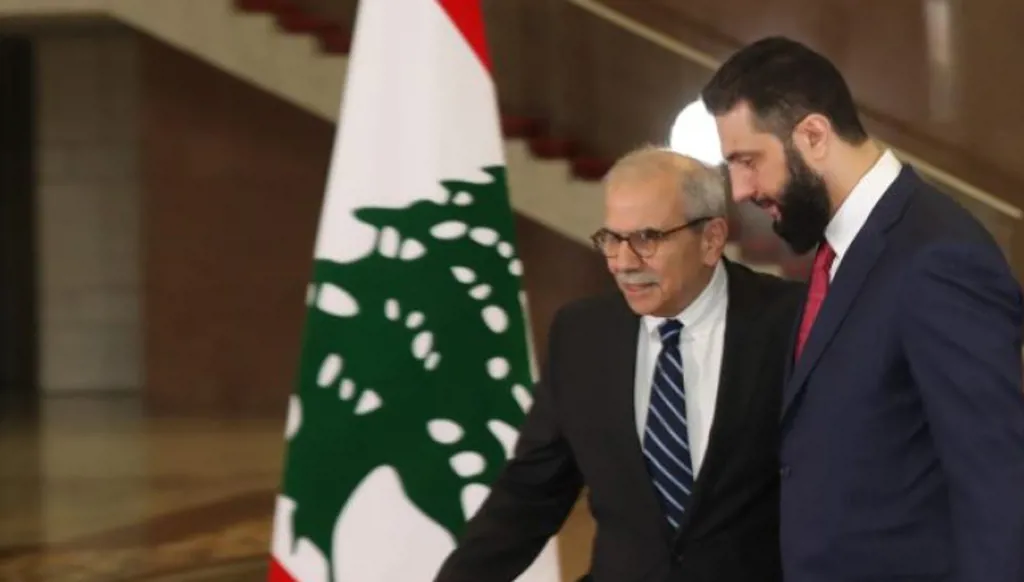
Former Lebanese Ambassador to Washington Antoine Chidiac told Annahar: “The United States wants security and stability in Lebanon and is keen on that, and it may understand the considerations of Lebanese officials, whether the Army Commander or the President of the Republic—especially during General Rodolphe Haykal’s visit to the United States. However, the United States has fixed principles that it cannot back down from, namely the implementation of the cabinet’s plan on weapon exclusivity, which are fundamental issues for it. The continuation of political indulgence and procrastination can no longer be sustained.
“In this context, I see that everyone understands the considerations to avoid internal clashes or civil war. And I ask: when the party says it does not want a civil war, the Lebanese army is not inclined to clash with it or any other component, and the United States also does not want that, then why are we being threatened with a civil war that supposedly requires foreign decisions, weapons, and funding? This scenario is entirely non-existent.
“But for Washington to accept the party’s weapons remaining after today—that will not happen at all. The same applies to France and other countries. The essence, however, is the United States, and everyone in Washington is committed to ensuring that the weapons are handed over to the Lebanese state, and Lebanese officials know this with utmost clarity.”

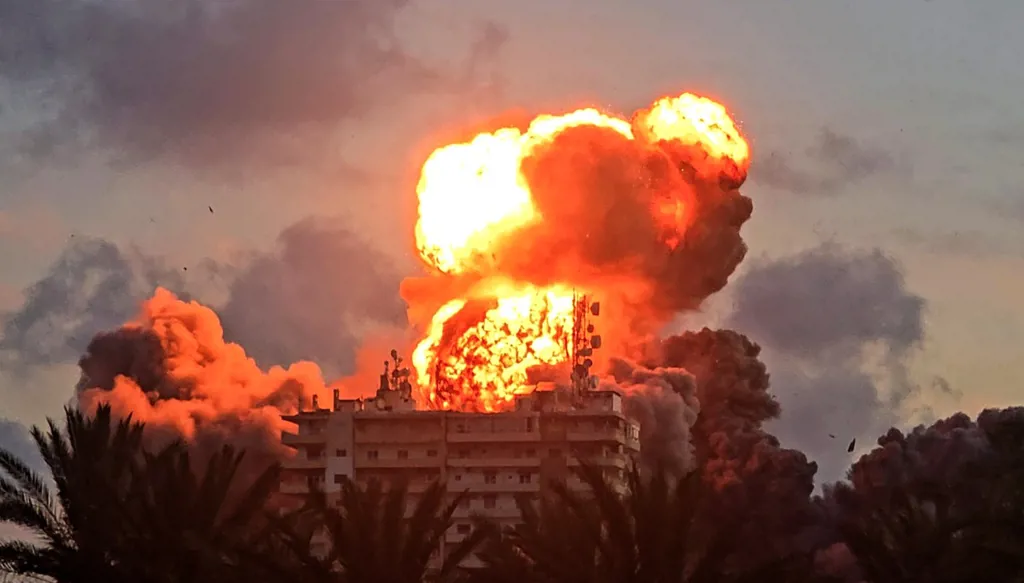
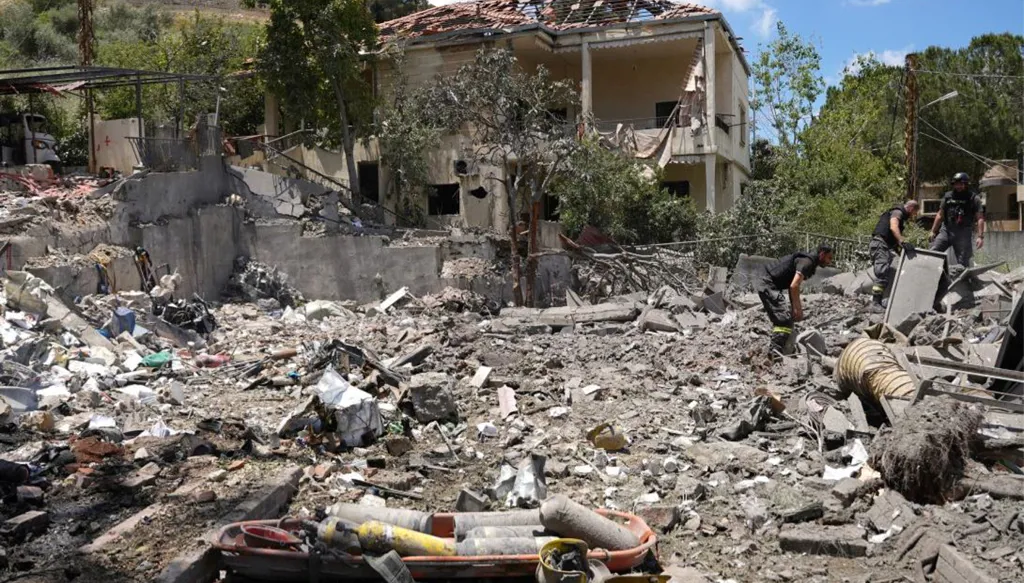
Regarding bets on Iranian-American negotiations, Chidiac responded: “This is a separate matter. There may be discussions or speculation about Iran’s arms in the region, but I see that the issue of weapons is settled, as far as the United States is concerned. Washington insists that the weapons be handed over to the Lebanese state, as evidenced by yesterday’s bombing of the Masnaa and the escalation in most Lebanese areas. For this purpose, the struggle continues in various forms."