Tunisia targets online gambling with new law
Parliament proposes criminalizing electronic gambling, citing rising addiction, family tragedies, and organized money-laundering networks.



شارك على
 مسنجر
مسنجر
 واتساب
 ثريدز
ثريدز
 بريد إلكتروني
 الطباعة
شارك على


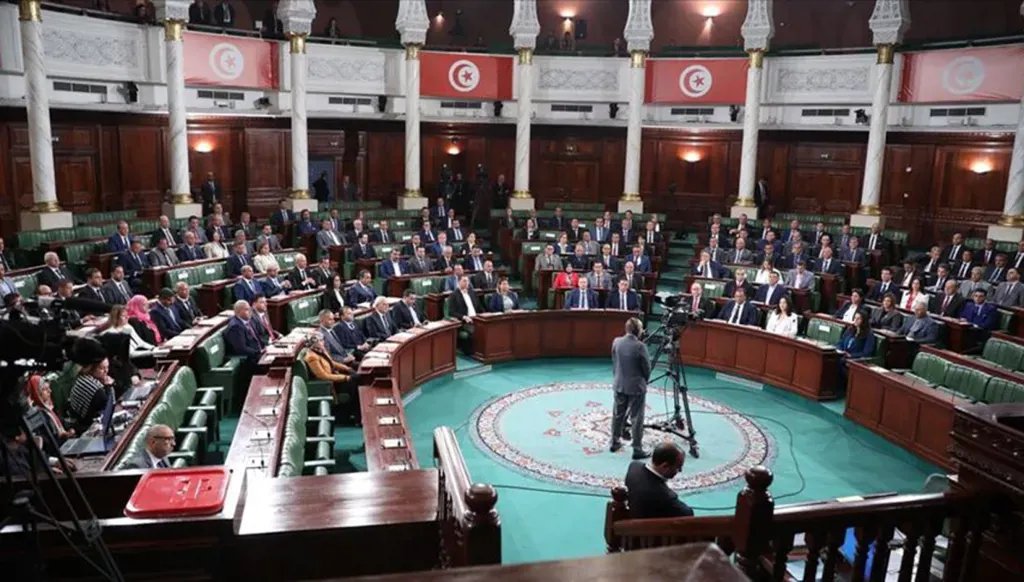


In a move that sparked wide debate in Tunisia, 23 members of parliament submitted a legislative initiative focused on tightening measures against gambling and games of chance, particularly electronic ones. The proposal has been referred to the General Legislation Committee to study its details and potential impacts on Tunisian society and law.
For many years, online gambling was a marginal phenomenon in Tunisia, but in recent years it has become a noticeable part of the digital landscape, especially among young people.
Local reports indicate that Tunisia ranks 33rd out of 247 countries in online betting, with the Tunisian market generating around 300 million dollars in electronic gambling. This trend worsens the country’s severe economic crisis and weakens its foreign currency reserves.
The story of Najem al-Din illustrates the personal cost of online gambling. The 39-year-old Tunisian employee says his wife decided to leave him after he became consumed by his mobile phone, spending most of his time hopping between online gambling platforms.
He reveals that he sold most of his furniture hoping to win a large sum to compensate his family for what they had lost. He admits that his wife grew frustrated with his addiction and ultimately chose to separate from him.
In his testimony to Annahar, he acknowledges that he tried to quit, even selling his smartphone and switching to a basic phone. Yet, he admits he could not resist the urge to gamble and returned to his old habits, hoping to win back what he had lost.
An outdated law
Although current Tunisian law restricts all forms of betting to the state, the rise of cross-border digital platforms that allow online betting on sports or games of chance has made traditional oversight largely ineffective.
Legally, games of chance and sports betting are monopolized by the state through the company "Promosport," which operates under official supervision and manages weekly sports prediction contests.
The law criminalizes any activity outside this framework. However, the spread of online gambling in recent years through apps and platforms attracting thousands of Tunisians from all social classes seeking easy money has become significant.
The proposed law, according to documents reviewed by Annahar, includes a ban on organizing, managing, participating in, promoting, or advertising any type of game of chance, whether traditional or digital. It allows for exceptional licensing only with explicit approval from the competent authority, under strict conditions to combat addiction and protect minors.
The law also prohibits creating, managing, promoting, or advertising digital gambling platforms and obliges internet and electronic payment providers to take the necessary measures to prevent any illegal gambling activity.
Organized crime
Although the legislative initiative sparked wide debate, with some members of parliament arguing that there are more urgent issues to address, the new proposal aims to redefine and criminalize electronic addiction, according to Tunisian MP Fatma Mseddi.
Mseddi, one of the MPs who submitted the proposal, told Annahar that the current law against gambling dates back to 1974. She argues that it is impossible to tackle a modern phenomenon with a law that is more than 50 years old.
According to Mseddi, the new law keeps pace with the developments in this phenomenon, particularly online gambling, which she says has become like drugs, a plague eating away at Tunisian society and causing numerous family tragedies.
The proposed legislation defines online gambling as an organized crime aimed at money laundering, often carried out by networks extending beyond the country’s borders. The law also proposes strict penalties, including imprisonment of up to five years.
A frightening spread
This legislative move comes amid the widespread proliferation of illegal betting platforms, prompting calls for stricter oversight to protect social fabric and the financial system.
Civil society organizations, such as the Tunisian Consumer Guidance Organization, have warned about the growing prevalence of online betting in Tunisia, describing it as a direct threat to youth and to social and economic stability.
Lotfi Riahi, head of the organization, shares the parliamentarians’ concerns. In a statement to Annahar, Riahi called for updating the legal framework, improving coordination between regulatory and security bodies, and punishing anyone who promotes or facilitates online gambling. He also stressed the urgent need to launch national awareness programs targeting youth, parents, and educational institutions.
Riahi noted that studies and statistics show rising rates of gambling addiction, especially among young people, leading to serious psychological and social consequences such as declining academic performance, family breakdown, isolation, and financial stress.
The question remains: To what extent can a legal text effectively combat a phenomenon fueled by rapidly evolving technology?

العلامات الدالة
الأكثر قراءة

الظهور الأول للشيخ علي دعموش منذ إعلان إسرائيل استهدافه في 2 آذار الماضي


صباح الخير من "النهار"...
إليكم أبرز الأخبار والتحليلات لليوم الثلاثاء 26 أيار/ مايو 2026