Italy eyes ongoing role in Lebanon after UNIFIL: Military support and stability plans
As UNIFIL’s mission nears its end, Italy signals new military role to bolster Lebanese stability and counter Hezbollah.



شارك على
 مسنجر
مسنجر
 واتساب
 ثريدز
ثريدز
 بريد إلكتروني
 الطباعة
شارك على


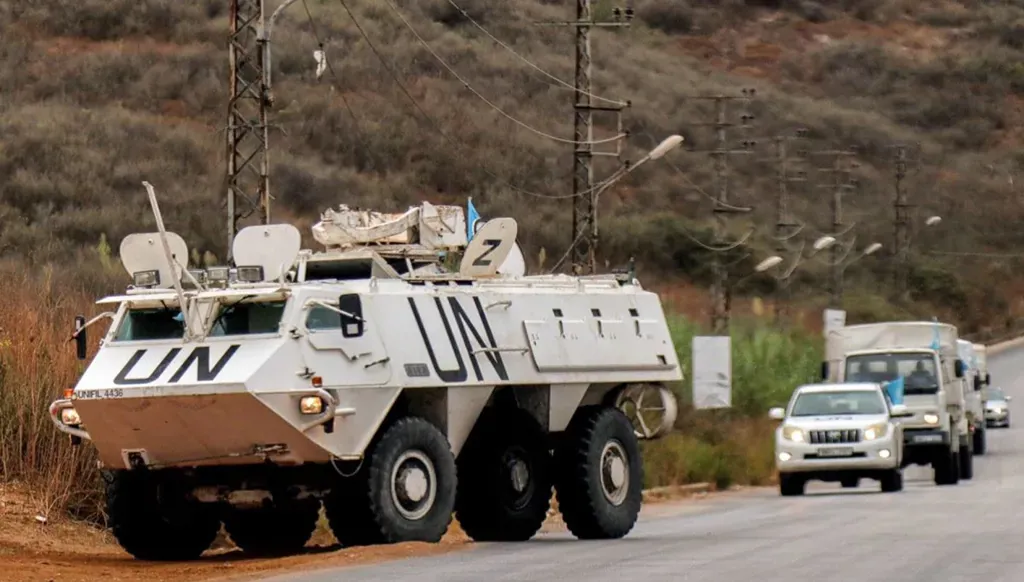


Italian Foreign Minister Antonio Tajani addressed the situation in Lebanon in a conversation with a group of journalists at the ministry, confirming that, "Regarding the UNIFIL forces, we have worked to ensure the extension of their mission until the end of the year, after which it is beyond our control. Nonetheless, we will continue our support, as we have another mission alongside UNIFIL, which is the bilateral mission to train the army."
He continued: "We are ready to find other solutions that may include an Italian presence after the withdrawal of UNIFIL, as we believe in the necessity of strengthening the Lebanese Army's presence as a guarantee for stability. We believe that President Joseph Aoun is the right person to ensure stability and balance in that sensitive region of the Middle East. Therefore, we will continue to support him, including through our military presence, to train the army, which will in turn disarm Hezbollah."
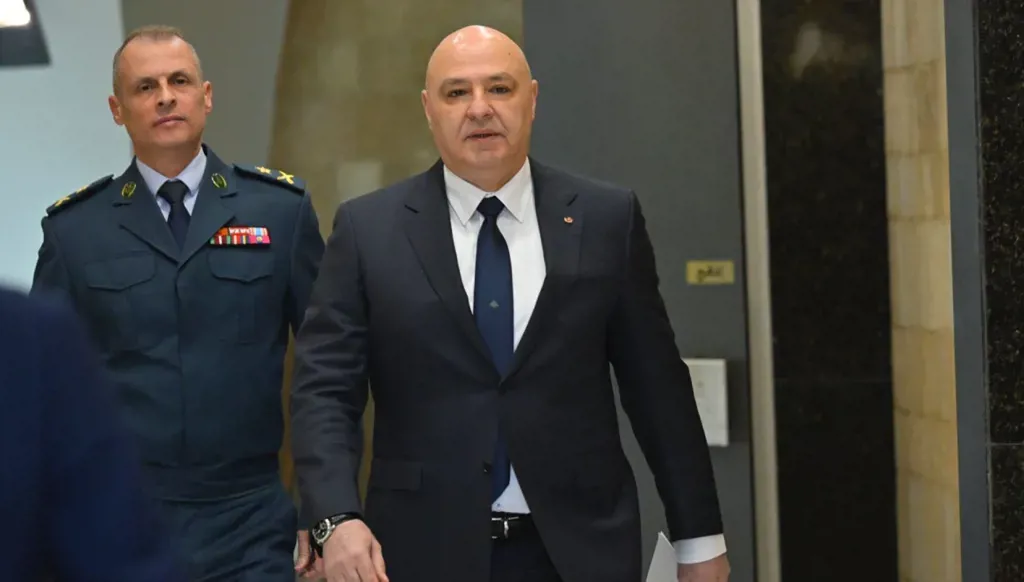
He concluded: "Strengthening the Lebanese Army is a guarantee for stability."
Meanwhile, the Chair of the Senate's Foreign Relations Committee, Stefania Craxi, in collaboration with the "Nova" Agency and the National News Agency in Rome, called for a press meeting on February 23 regarding Lebanon. The meeting will be attended by the Lebanese Ambassador to Italy, Carla Jazzar, several members of the Foreign Relations and Defense Committee from various Italian parties, and colleague Talal Khreis, the Rome and Holy See correspondent for the National News Agency. Also participating will be Fabio Squillante, Director of the Nova Agency.
It should be noted that Stefania Craxi has had a close relationship with Lebanon even before entering political life, as her late father, former Prime Minister Bettino Craxi, was one of Lebanon's staunchest friends. It is worth mentioning that Italy officially requested in December 2025 that Lebanon keep its forces in the international operations area south of the Litani (southern region) after the withdrawal of UNIFIL. This request was welcomed by Lebanon, as the presence of these forces—alongside other European forces that share Rome’s position—“helps the Lebanese Army in maintaining security and stability on the southern Lebanese borders after the withdrawal of Israeli forces from the hills and lands they occupy.”
Recently, Italian Ambassador to Lebanon Fabrizio Marcelli reaffirmed Italy's desire to remain in Lebanon after UNIFIL and emphasized his country’s readiness to continue its military presence there. He noted that this could take various forms, from a new international force to a European or bilateral mission, in coordination with Lebanese authorities. The ambassador also expressed Italy's appreciation for the efforts of both the Lebanese Army in restricting arms and the Lebanese government in implementing reforms, affirming that this work “must continue at the same pace.” Italian parties, both supporting the government and in opposition, share this stance, and the Holy See regards it as a constructive step.

العلامات الدالة
الأكثر قراءة
الظهور الأول للشيخ علي دعموش منذ إعلان إسرائيل استهدافه في 2 آذار الماضي
صباح الخير من "النهار"...
إليكم أبرز الأخبار والتحليلات لليوم الثلاثاء 26 أيار/ مايو 2026