UAE and U.S. forge strategic alliance to secure critical minerals
A strategic framework accelerates supply chain security, boosts investment, and strengthens global economic and technological resilience.



شارك على
 مسنجر
مسنجر
 واتساب
 ثريدز
ثريدز
 بريد إلكتروني
 الطباعة
شارك على




As international competition for vital natural resources intensifies and global supply chains face unprecedented pressures due to geopolitical tensions, critical minerals and rare earth elements have emerged as key factors in industrial and technological security worldwide.
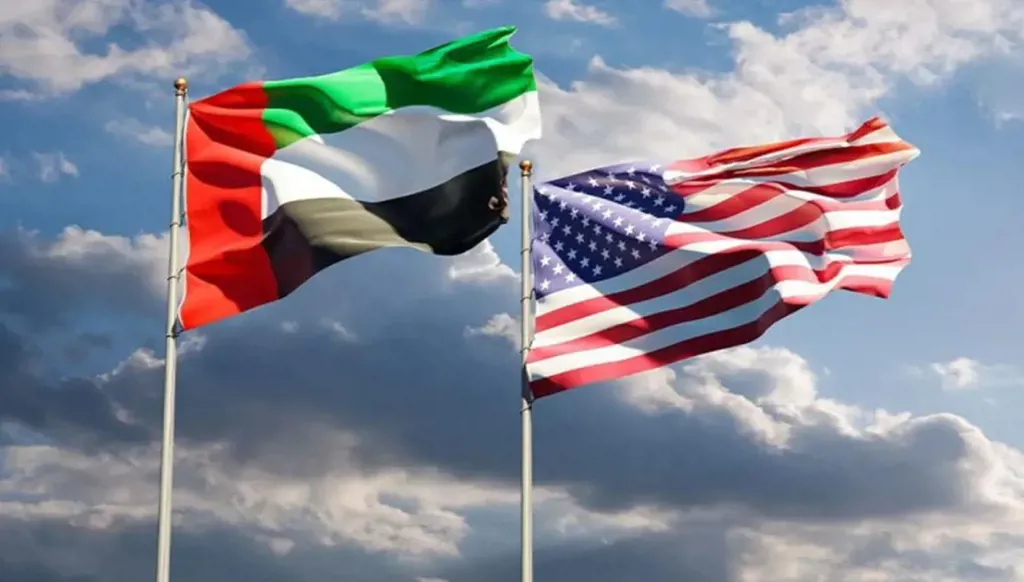
Against this backdrop, the joint framework between the United Arab Emirates and the United States represents a strategic shift in securing these resources. It establishes a partnership that goes beyond economic interests, aiming for long-term industrial stability.
A Cooperation framework at a critical time
In this context, the UAE and the U.S. signed a joint framework to support the mining and processing of critical minerals and rare earth elements. The agreement was announced on the sidelines of the ministerial meeting on critical minerals held in Washington, D.C.
The timing of the agreement is highly sensitive, reflecting growing global concerns over supply disruptions and rising demand for these minerals. They are essential for defense, advanced technologies, clean energy, and sustainable industrial growth.
Depth of bilateral relations
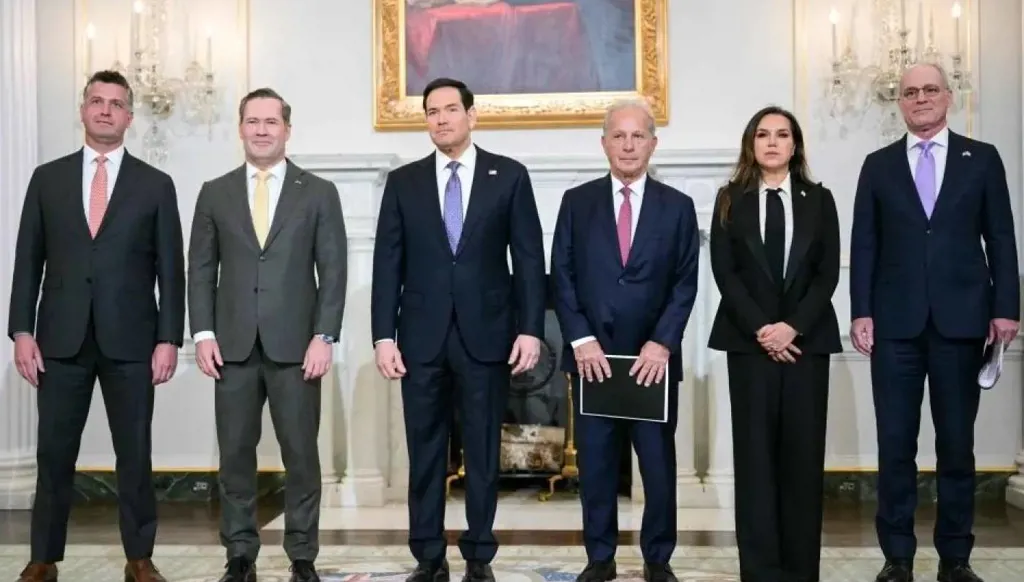
The agreement was signed by Mohammad Hassan Al Suwaidi, UAE Minister of Investment, and Jacob Hilberg, U.S. Deputy Assistant Secretary for Economic Affairs, during the UAE Ministry of Investment’s participation in the ministerial meeting, at the invitation of the U.S. Department of State and in the presence of more than fifty international entities.
This framework reflects the depth of the UAE–U.S. partnership and their shared commitment to building diversified and resilient supply chains that ensure the continuous availability of resources and support sustainable industrial growth.
.jpg)
A new approach to securing supplies
The joint framework establishes a shared methodology to accelerate the secure supply of critical minerals, leveraging existing policy tools, including U.S. industrial demand, storage infrastructure in the United States, and the UAE’s strategic reserves.
It also provides a platform to increase public and private investment across all stages of the value chain, from mining, separation, and processing to recycling and downstream activities.
Multiple investments and support mechanisms
Both countries commit to supporting investment through a comprehensive set of mechanisms, including financing, guarantees, capital investments, purchase agreements, and insurance, alongside regulatory facilitation. The two nations also plan to identify priority projects that address supply chain gaps and take practical steps within six months of signing the agreement to provide the necessary funding, enabling market-ready products in both countries.
The framework further supports speeding up licensing procedures, simplifying regulations, addressing unfair trade policies and practices, exploring high-standard market mechanisms that enhance transparency, investing in recycling technologies and metal waste management, funding geological mapping projects, and collaborating with third parties to strengthen supply chain security.
Strong economic returns
Economic expert Hanan Ramsis told Annahar that the framework reflects a strategic approach to accelerating the supply of critical minerals and rare earth elements amid rising global demand.
She notes that the supply chains for these minerals rely on a globally interconnected system that requires coordinated efforts and sustainable investment to ensure stable supplies and support long-term industrial growth.
She explains that the United States is one of the countries most focused on these strategic resources, while the UAE has extensive investments and advanced expertise in this field. Their cooperation thus produces shared economic benefits, helps develop impactful projects across the full value chain, strengthens national economic security, and supports strategic industries globally.
In summary, through this framework, the UAE reaffirms its commitment to international cooperation based on investment and long-term partnerships, contributing to a more stable and secure global system for critical mineral supplies and supporting sustainable industrial and economic growth over the long term.

العلامات الدالة
الأكثر قراءة


لا شك أن ثمة تغيراً وتطوراً حصل في سوريا بعد إسقاط النظام البائد، لكن يبقى السؤال هل الصورة وردية كما طرحها الشيباني في كلمته؟