The Kurdish dream and the burden of history
A century after promises of statehood first emerged, shifting alliances and regional power politics continue to define the limits of Kurdish aspirations.



شارك على
 مسنجر
مسنجر
 واتساب
 ثريدز
ثريدز
 بريد إلكتروني
 الطباعة
شارك على


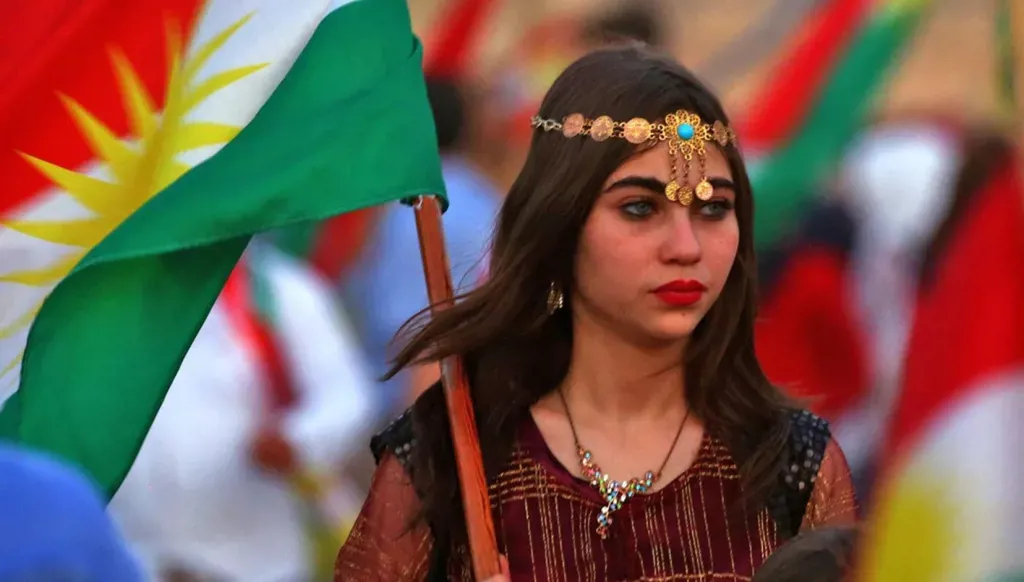


International balances have long played a decisive role in shaping the fate of the Kurdish people, who number around 35 million and are spread across Turkey, Iraq, Syria, Iran, and parts of Armenia. Since the end of World War I, Kurdish hopes of establishing an independent state have been dashed on the altar of external deals, which time and again came at their expense.
The experience of Syria’s Kurds with the “self-administration” they established after the weakening of the central state amid the unrest that swept Syria in 2011 is not the first attempt by the Kurds to create the nucleus of an entity that reflects their identity.
Just as the United States abandoned the “Syrian Democratic Forces” (SDF), which had been a key partner in the fight against ISIS, in favor of the central government in Damascus, putting an end to the self-administration experiment that lasted for more than a decade, the former Soviet Union had abandoned the “Republic of Mahabad” in Iranian Kurdistan in 1946, after Stalin reached an agreement with Tehran as part of the withdrawal of Soviet forces from northern Iran, which they had occupied during World War II.
The Republic of Mahabad, proclaimed by the Kurdish leader Qazi Muhammad with Soviet backing, survived only a few months before Tehran reimposed full control over the region. This experience had been preceded by the declaration of the Republic of Ararat by Kurds in Turkey’s southeast in 1927, an experiment whose lifespan was far shorter than that of the Republic of Mahabad.
In the aftermath of World War I, which saw the victorious Allied powers divide the Middle East, the Treaty of Sèvres in 1920 took into account the establishment of a Kurdish state. That promise, however, evaporated with the Treaty of Lausanne in 1923, which drew the borders of modern Turkey by agreement between European powers and Mustafa Kemal Atatürk.
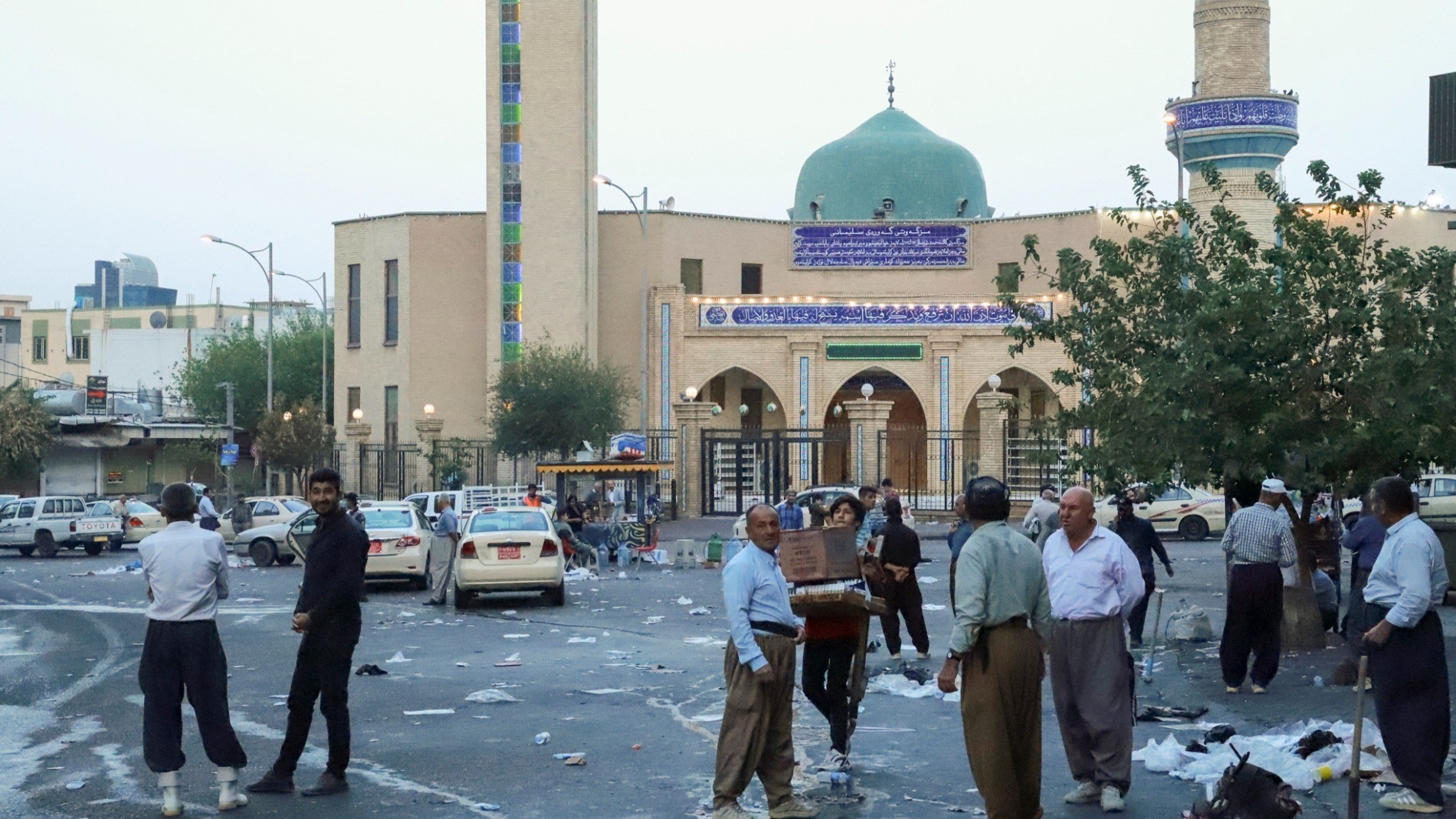
As has often happened at pivotal moments in history, Iraq’s Kurds gained self-rule in the Kurdistan Region in the north after the dissolution of central authority in Baghdad following the US invasion in 2003. The two main parties there, the Kurdistan Democratic Party led by Masoud Barzani and the Patriotic Union of Kurdistan led by the late Jalal Talabani, laid the foundations of autonomous rule in the hope that it would later evolve into an independent state with US support.
When the moment of secession arrived through a referendum held in the region in 2017, Turkey and Iran went on alert along the borders of Iraqi Kurdistan, and the central government in Baghdad took a series of punitive measures. This forced the regional leadership to suspend the announcement of the referendum results, which showed 90 percent in favor of independence.
Last year, Abdullah Öcalan, the imprisoned leader of the Kurdistan Workers’ Party in Turkey, abandoned the pursuit of autonomy in the country’s southeast and announced the renunciation of armed struggle after 41 years of confrontation with Ankara. Turkish President Recep Tayyip Erdogan used Öcalan’s call as a basis to pressure Syria’s Kurds to lay down their arms and integrate, without conditions, into the new Syrian government headed by Ahmad al-Sharaa, which was formed after the fall of Bashar al-Assad’s regime on December 8, 2024.
The commander of the Syrian Democratic Forces, Mazloum Abdi, tried in vain to seek US support to secure a special status for the Kurds in the new Syrian state. It became clear that Washington had decided to back the new order in Syria, and that the moment had come to end the partnership with Syria’s Kurds after an alliance that began in 2015 in Kobani, on the Turkish border, a turning point in the rollback of the caliphate declared by ISIS, and culminated in the entry of the Syrian army into areas previously controlled by the SDF in the provinces of Aleppo, Raqqa, Deir ez-Zor, and Hasakah.
That was yet another station in the course of history that defies the Kurdish dream.
Disclaimer: The opinions expressed by the writers are their own and do not necessarily represent the views of Annahar

العلامات الدالة
الأكثر قراءة