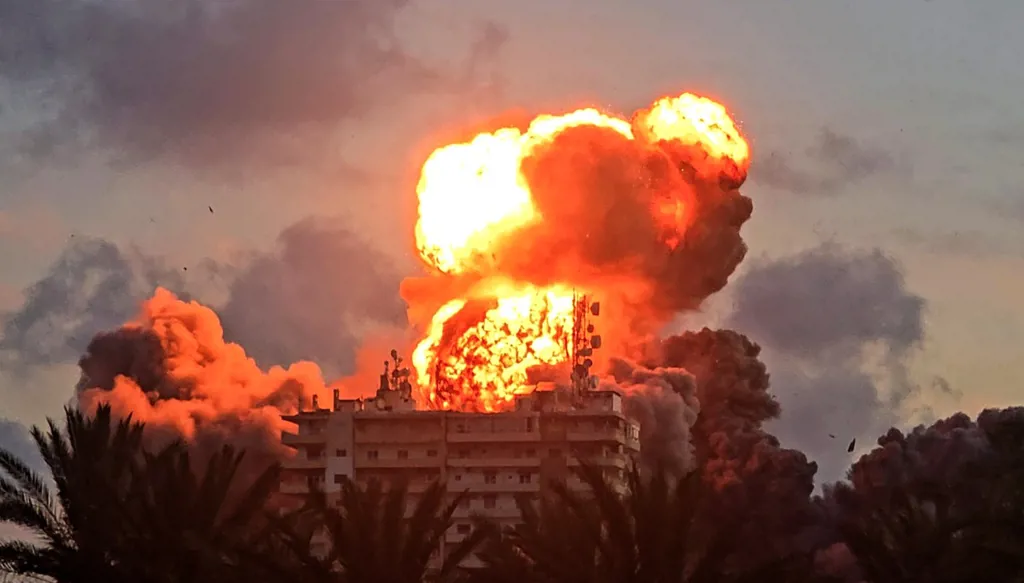
Iran on hold: The U.S. weighs pressure vs. action
As the regime teeters, the U.S. chooses influence over immediate military action, keeping the Middle East on edge.



شارك على
 مسنجر
مسنجر
 واتساب
 ثريدز
ثريدز
 بريد إلكتروني
 الطباعة
شارك على




Reza Pahlavi, the son of Iran’s former Shah, posted a message on the platform X outlining how he says Iran would engage with its neighbors and the rest of the world after the fall of the current regime.
The message stated that a free Iran would abandon its military nuclear program, cease support for terrorist groups, collaborate with regional and international partners to combat terrorism and organized crime, restore relations with the United States, immediately recognize Israel, and strive to join the nations that have signed the Abraham Accords.
Reza Pahlavi did not present a detailed presidential program outlining Tehran's future strategy, even as he positions himself as a potential president after the fall of Supreme Leader Ali Khamenei’s regime. His message appears aimed more at addressing the demands of the U.S. and Israel—pressuring Iran to abandon its nuclear and missile programs and dismantle regional proxies—rather than focusing on normalizing relations with Tehran, which may not currently be Israel’s priority. But is Reza the right figure for this stage? That seems uncertain, especially in light of former President Donald Trump’s remark that any alternative regime might not be able to fill the vacuum.
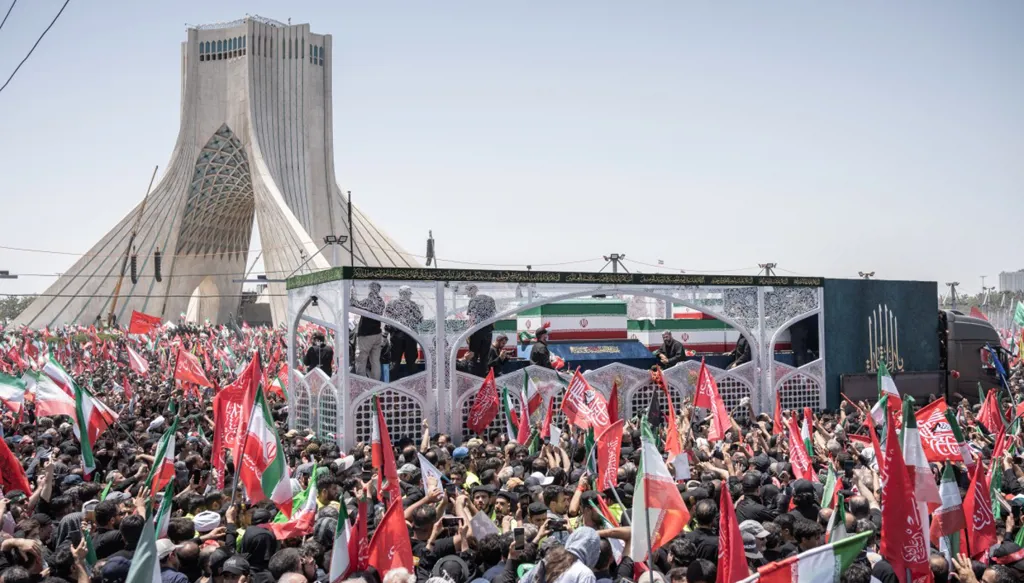
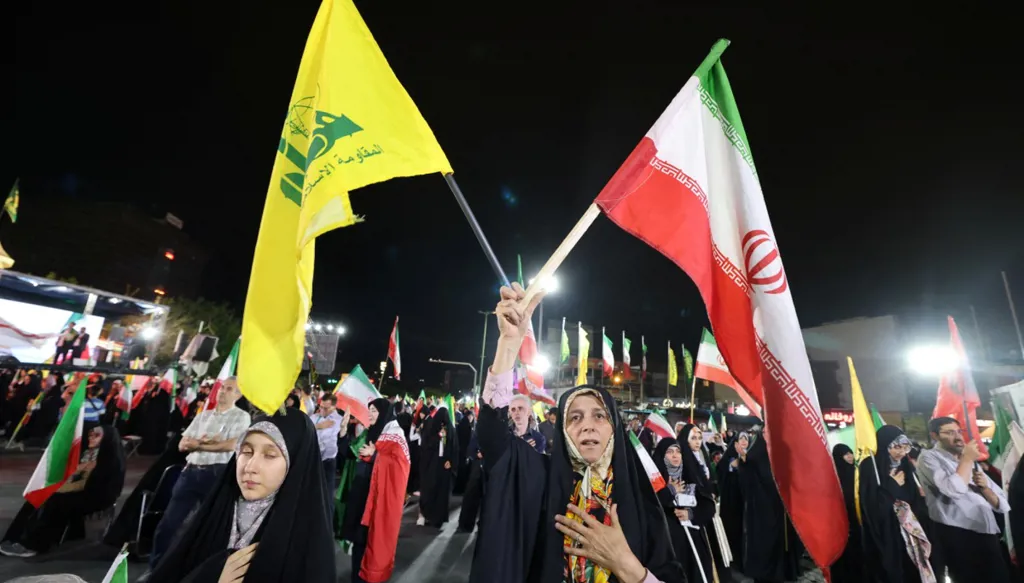
On the night of January 14–15, tensions in the region spiked as people entered a tense “state of waiting” over President Trump’s decision on whether to order military strikes against Iran, aimed at deterring the regime from targeting its own citizens. Protests in Iran had entered their third week, escalating from peaceful demonstrations to clashes that left hundreds dead and injured on both sides. Despite reports of military preparations, the evacuation of foreign nationals, and heightened alert in Israel—including the opening of shelters in some cities and at U.S. bases—the strike never took place. Instead, Trump held a White House press conference to discuss the importance of milk and the signing of a bill allowing the redistribution of whole milk to school meal programs.
Amid the “waiting” scenario experienced by the Iranian regime, the region, and the world, the strike was not carried out—and may never be—because Trump considered that the regime was complying with demands, as he claimed that the killings had stopped and no executions had been carried out. It is clear that the U.S. administration is not planning to launch decisive strikes against the Iranian regime at this time, as it currently sees no alternative to this regime and fears that chaos could spill over into the region, affecting its interests and destabilizing its military positions. The United States has high-stakes priorities in safeguarding its borders, as was the case with Venezuela, and similarly with Greenland, whose strategic importance has turned it into a point of tension with European Union countries.
Washington is refraining from military action, partly because threats from Iranian Parliamentary Speaker Mohammad Bagher Ghalibaf—that Iran would target U.S. and Israeli assets in the region—are being taken seriously. The involvement of Iran’s proxies in any potential conflict was underscored by Foreign Minister Abbas Araghchi’s recent visit to Lebanon, which carried little diplomatic substance. U.S. officials also worry that any strike might fail to decisively topple the regime, potentially triggering a prolonged conflict that could threaten global oil security through key chokepoints, most notably the Strait of Hormuz. Controlled by Iranian forces, this vital passage handles roughly 20% of global oil exports, meaning disruption could spike oil prices and further bolster Russia’s military budget.
A full-scale military confrontation with Iran is not considered a viable option. Instead, supporting internal protests is viewed as a more strategic approach, creating domestic instability that could allow Washington and Tel Aviv to advance regional interests and potentially pressure the regime into concessions, particularly halting its arms funding. The Iranian “waiting” period is being leveraged as Israeli leverage, increasing pressure on Hezbollah to implement the Lebanese army’s plan to withdraw weapons north of the Litani River. From Israel’s perspective, this strategy also aims to isolate Hamas and encourage disarmament, following U.S. envoy Steve Witkow’s announcement of entering the second phase of Trump’s Gaza plan, which includes efforts to disarm the party.
Trump may take a more realistic approach toward Iran, avoiding military action against a regime that is economically and internally weakened, while continuing to justify the presence of U.S. forces in the region. Similarly, Tel Aviv sees the potential collapse of this regime as creating challenges for its strategic presence in multiple areas, such as Azerbaijan, or even Somaliland on the Red Sea, where it seeks to contain Tehran-aligned Houthi forces.
While a deeper strategic assessment may make Trump hesitant to strike Tehran, the risk of the region slipping into war remains, even if such action is militarily unlikely. U.S. policy continues to keep the Iranian file in a “state of waiting,” supporting protesters to amplify internal disruption, while Western and international voices call on the regime to halt violence against its citizens. This gives Washington a perceived global mandate—not only to pressure the regime but potentially to apply a model similar to the one used to topple Saddam Hussein in Iraq. Yet the question remains: will Iran’s allies remain passive observers, or intervene to prevent another scenario akin to Venezuela?
Disclaimer: The opinions expressed by the writers are their own and do not necessarily represent the views of Annahar.

العلامات الدالة
الأكثر قراءة