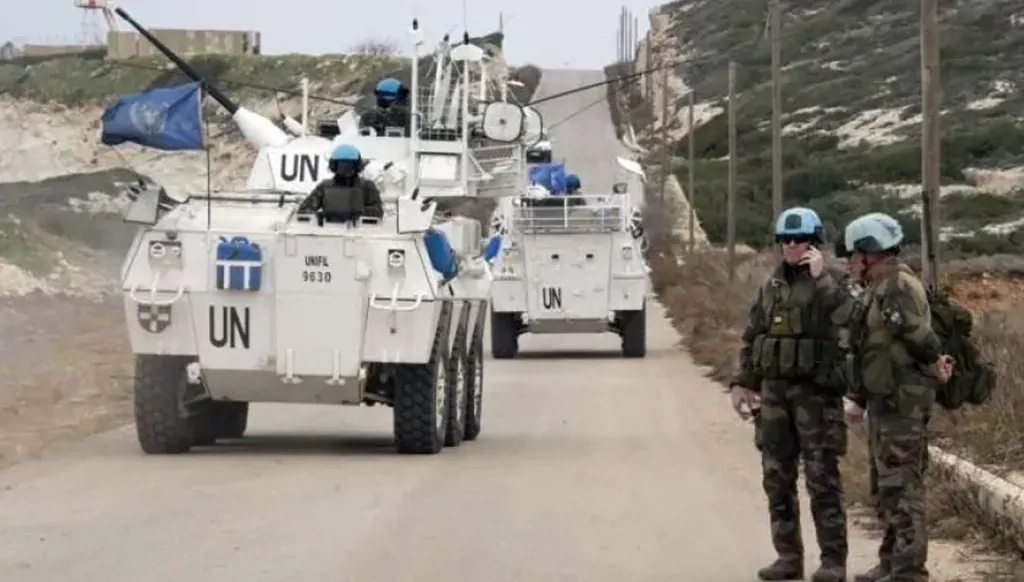
Over the past six months, a quiet confrontation has been unfolding between Israel and Hezbollah, concentrated along a narrow strip of towns and villages on southern Lebanon’s border with Israel. The tension has stretched from the western coastal area near Naqoura to the eastern border region around Khiam, passing through communities near the city of Tyre and across rural districts close to the frontier. This includes several small border villages in the Bint Jbeil and Marjayoun–Hasbaya areas, all of which lie directly along or very near the dividing line between the two sides.
It is evident that the party has been forced to engage in this confrontation without using weapons or overt displays of force, particularly after losing the deterrent power it had relied on during the so-called “support war” and agreeing quickly to a ceasefire. This has pushed it to adopt a different form of confrontation, one that depends on soft power and what might be described as basic, low-key methods aimed at maintaining a sense of presence and preventing capitulation or despair.
Because the party is seeking to allay the fears of the border communities most affected by the situation and to convince them that it will not remain passive in the face of a status quo imposed by force and fire, it has been compelled to devise alternative methods of confrontation. These approaches often have a “primitive” character, reminiscent of the late 1960s and 1970s, relying on symbolism and carrying only limited practical impact.
According to daily reports from the front-line border villages, more than 85 percent of residents have been displaced. As a result, the initial confrontations centered on Israeli efforts to prevent civilians from returning, while Hezbollah - alongside the Amal Movement and local and official institutions aligned with them - has repeatedly voiced its determination to restore everyday life in these towns in defiance of Israeli actions.
As a result, an ongoing but largely silent confrontation has emerged between the two sides. According to one of the southern border deputies, Kassem Hashem, “Israel is using various methods to suffocate life in these towns, adding new forms of intimidation to drone assassinations and house demolitions - measures that may appear limited in form but are profound in their content and implications.”
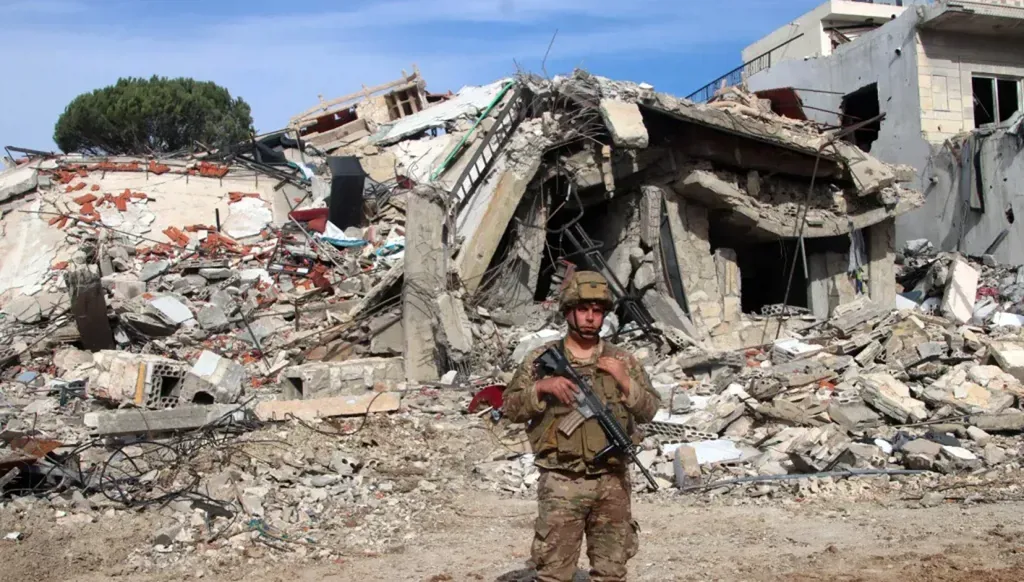
He adds, “For example, a statistical report released by specialized bodies last Friday evening laid out the situation on the ground, clearly showing how the occupation both intimidates residents and obstructs any chance of normal life in the area. It also demonstrates that the occupation has expanded the scope of its terror, no longer confining it to a single location but extending it across the entire south within a single day - a tactic it has used for some time and has recently intensified through incursions into towns, partially destroying some homes and completely demolishing others.”
Hashem also notes that “the same situation applies to Kfarchouba, where Israeli positions on the surrounding hills fire heavy barrages at the town on a daily basis.”
In response to this approach, the party and its affiliated organizations have launched a gradual campaign of confrontation. The first step focused on so-called “ready houses,” which the party had intended to use as entry points for return by converting them into schools, municipal offices, and other official institutions, but most of these buildings were later destroyed by Israeli forces. This was followed by efforts to encourage weekly visits to deserted villages, the organization of religious and secular gatherings there, and a firm insistence on burying the dead in local cemeteries. Khiam has been the most prominent example of this strategy, given its large central square and its active, diverse civil society - despite the fact that the town has been destroyed three times to date.
Recently, associations affiliated with the party have promoted weekly markets in towns with a tradition of such trade and distributed olive and pine saplings to residents eager to restore their burned vineyards. This initiative serves both as an act of resilience and a way to reinforce ties to the land, particularly in the strategically important village of Maroun al-Ras.
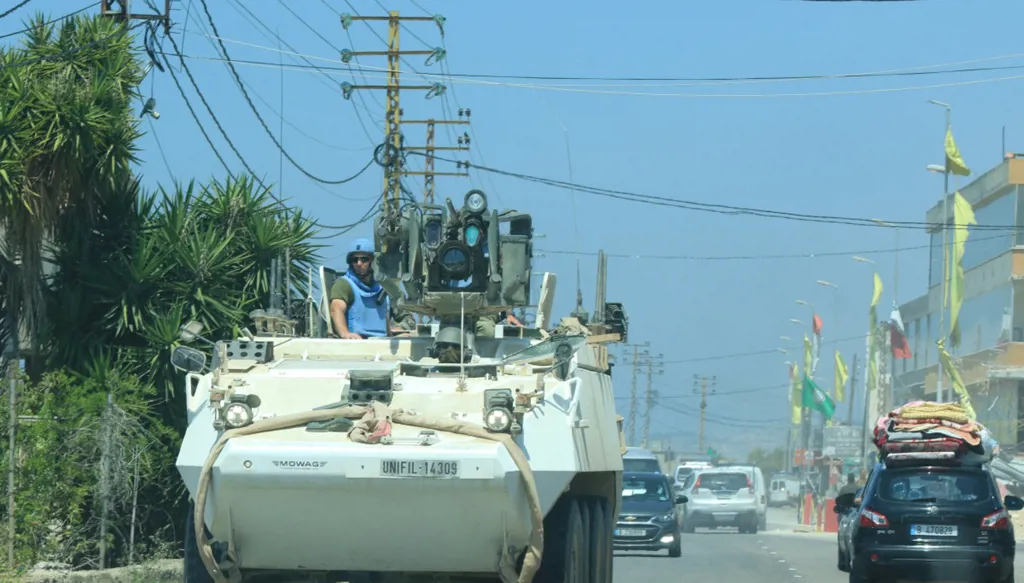
In several instances, municipalities aligned with the party have sought to maintain a symbolic presence in their municipal buildings. However, the assassination of a municipal worker in Blida by Israeli forces - killed while sleeping on the premises - altered this approach. Notably, the army stepped up its role in the confrontation through widespread deployments, dismantling traps, and countering Israeli infiltration attempts.
Through its officials, the party has pledged to expand these initiatives and measures to reinforce the following principles:
- The border region will not bow to the status quo that Israel seeks to impose.
- The party has no intention of surrender; instead, it is determined to demonstrate clearly that it remains active and defiant.
Disclaimer: The opinions expressed by the writers are their own and do not necessarily represent the views of Annahar.





 مسنجر
مسنجر
 واتساب
 ثريدز
ثريدز
 بريد إلكتروني
 الطباعة