Iran under pressure, Hezbollah’s influence feels the strain



شارك على
 مسنجر
مسنجر
 واتساب
 ثريدز
ثريدز
 بريد إلكتروني
 الطباعة
شارك على


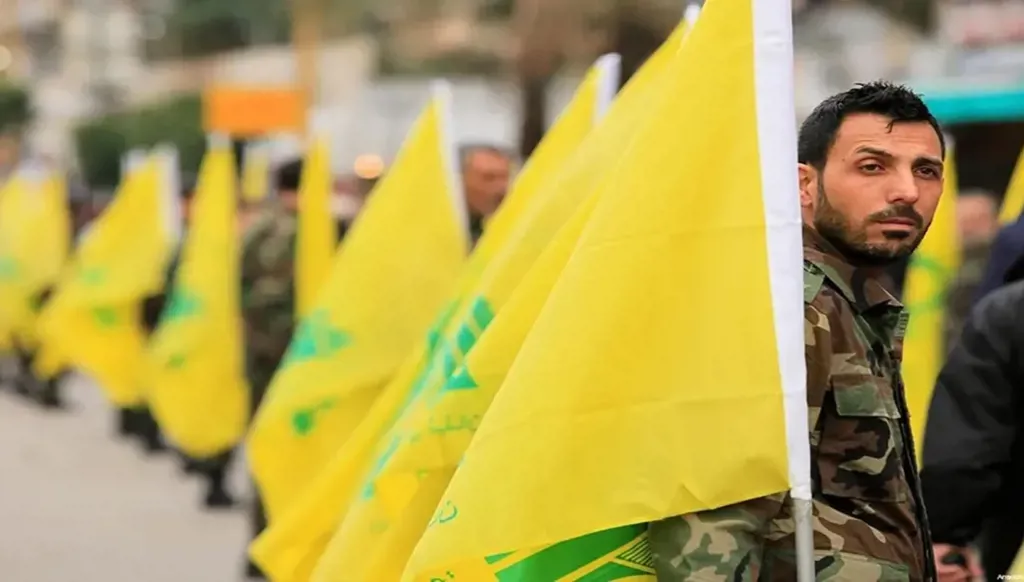


It has become very difficult to focus on what officials in Hezbollah are saying, despite the fact that many consider it to be speaking on behalf of Iran more than ever before. Any of its positions now fall within the context of measuring whether Iran continues to adopt a hardline stance or not, in holding on to what remains of its influence or in sending messages abroad through Lebanon.
This difficulty is mainly linked to the weakness or erosion resulting from the major internal challenges facing Iran, and to the nature of the "concessions" or bargaining that it may resort to by asking regional countries to mediate with the United States in order to avoid a strike that many say is still on the horizon, while many others no longer see it as likely based on the statements made by US President Donald Trump and the mutual reassurances exchanged between Israel and Iran through Russia.
Added to this is the acknowledgment of a new reality, whether an American strike occurs or not, knowing that many observers fear such a strike and do not want it, believing that it could serve the Iranian regime and divert attention from its collapsing economic problems. This is based on developments that Tehran can no longer ignore as it reviews its policies and approaches, regardless of the obstinacy it displays, especially since the mediations undertaken by regional states in the past few days resemble to a large extent what was practiced with leaders of states who soon collapsed or were overthrown for failing to seize the opportunity at the right moment.
It has become well known that the ruling authority in Iran is exposed to a very dangerous economic reality with social repercussions that are no less serious, alongside its security and military exposure during the 12-day war last June (referring to Iranian-Israeli shadow conflict), making it impossible for it to remain in its current position and calculations.
In parallel, many did not hide their fears regarding Trump’s escalating rhetoric through his tweets, in which he encouraged Iranian demonstrators to continue their uprising, at a time when those demonstrators may pay the price if the Iranian authorities make a major shift to satisfy the US administration and Israel. Others did not hide their fears of an American involvement related not only to Trump’s desire to preserve his credibility, while any US strikes could strengthen the Iranian regime and provide it with the necessary oxygen for its survival if they do not lead to its downfall. Meanwhile, several countries insist that change in Iran should come from within, even if encouraged by indirect pressure in that direction.
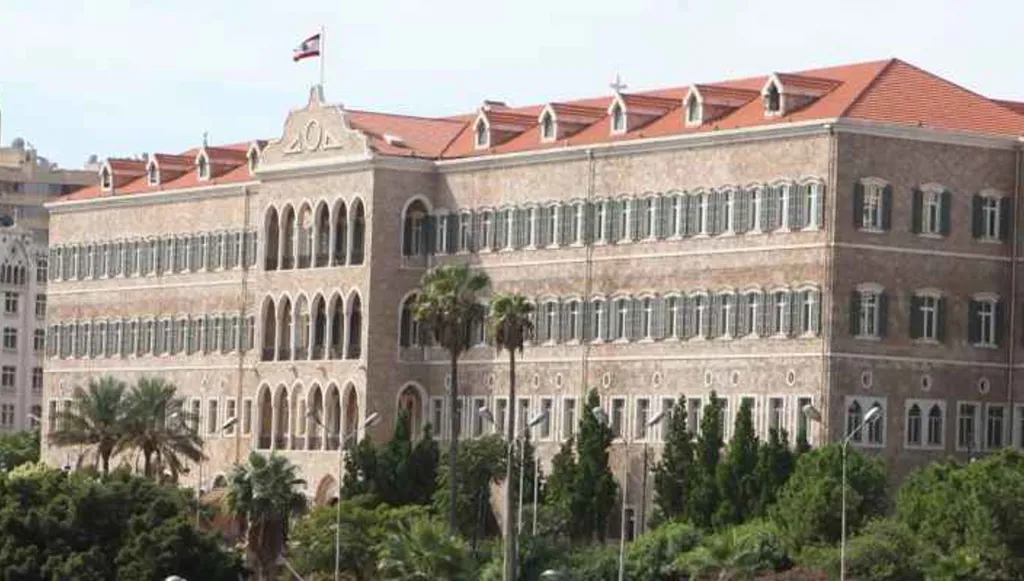
What may be more painful and difficult for the party (Hezbollah) and for Iran is that the Five-Nation Group (the US, France, Saudi Arabia, Egypt, Qatar) meets at Baabda Palace to announce the date of a conference to support the Lebanese Army, based on recent official commitments made by key Lebanese authorities, moving to the next phase of the Army’s plan which will include areas north of the Litani River, without stopping as before at the party’s objections which used to be taken into account and largely accommodated.
Despite the party choosing a notable moment to send messages of criticism and warning to the pillars of the Lebanese state regarding their recent positions on the exclusivity of weapons north of the Litani River, and threatening civil war in parallel with the Baabda meeting in a direct message to them as well, this did not affect the state’s course or its decisions supporting the official steps and upcoming commitments to the army. The same applies to the party leaking information that "unnamed diplomats sought during the past week to obtain guarantees that it would not intervene militarily if the United States or Israel launched an attack on Iran." This matter in itself should strike the Lebanese state at its core, on the basis that it undermines all previous statements by its officials about restoring the state’s authority over decisions of war and peace, which does not match reality if there are still those appealing to the party to prevent it from intervening in any potential war between Israel and Iran.
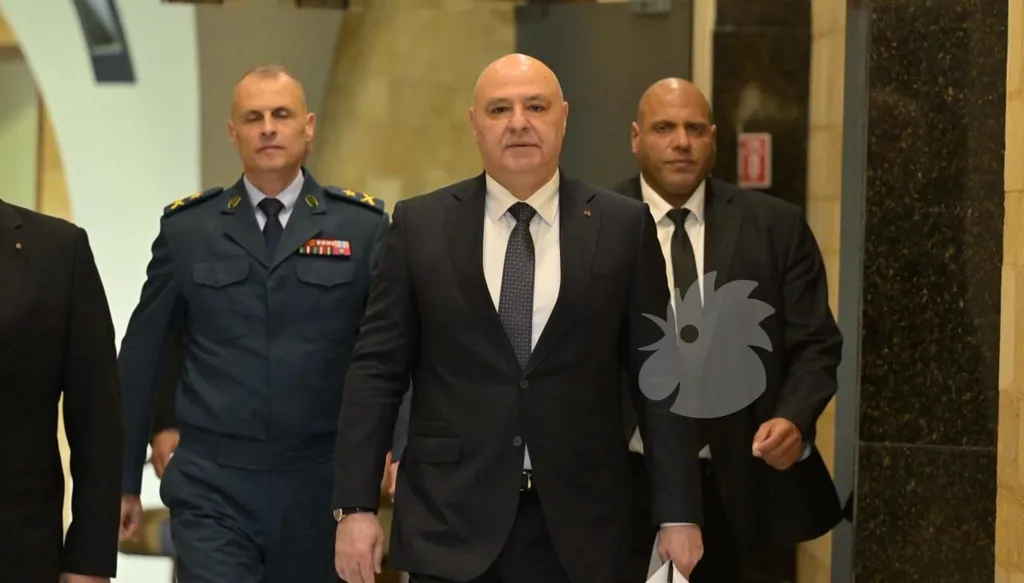
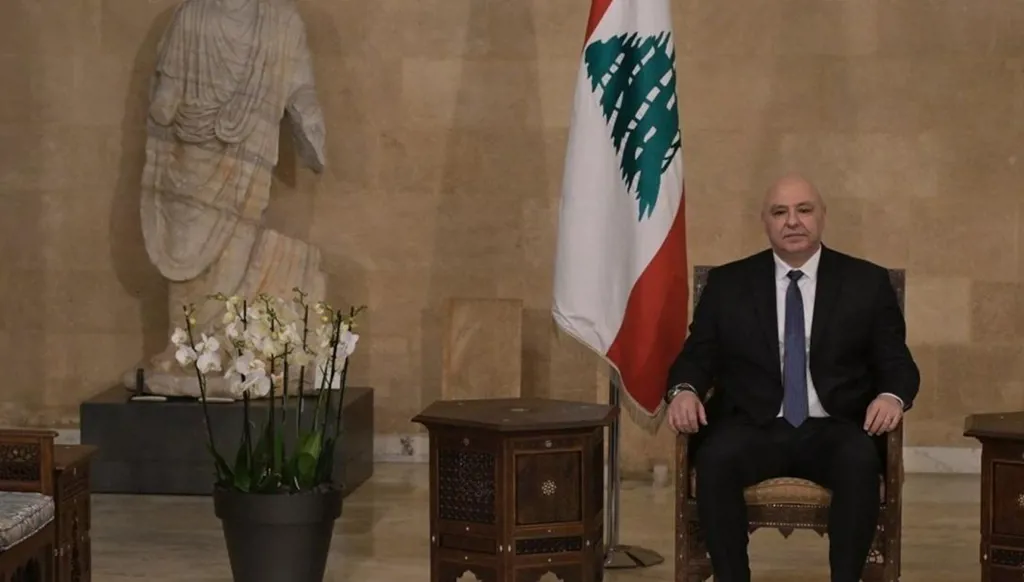
Who still believes that the party may have even a small margin of internal decision-making looks to it to take the initiative toward the state from a position of strength, even if only theoretically or illusionary, so that it may secure a different reality from the one that could result from Iran being forced to change its approaches and policies if the regime itself does not change. The numerous pieces of advice offered by regional states to Tehran pushed in this direction, and toward different cooperative relations in the region and with its countries, in order to save Iran itself as a regime and a governing structure. Observers see the same logic applying to the party, on the basis of the necessity for it to understand these realities, and its loss of the last position it could take refuge in outside its Shiite ally, which is the position recently declared by President Joseph Aoun from his responsibility for Lebanon and the Lebanese.
Disclaimer: The opinions expressed by the writers are their own and do not necessarily represent the views of Annahar

العلامات الدالة
الأكثر قراءة