Northeast Syria at a critical juncture between escalation and dialogue



شارك على
 مسنجر
مسنجر
 واتساب
 ثريدز
ثريدز
 بريد إلكتروني
 الطباعة
شارك على


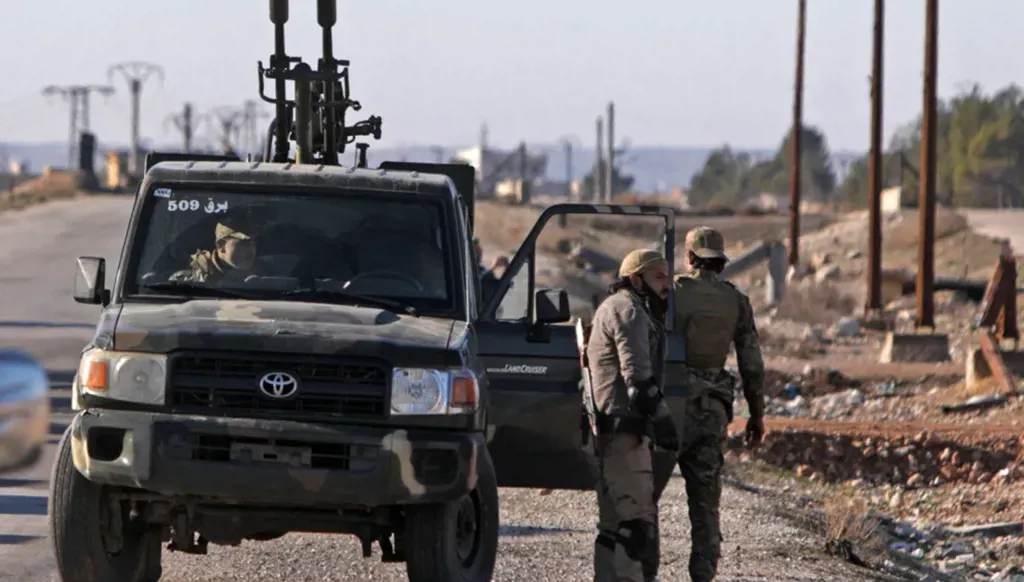


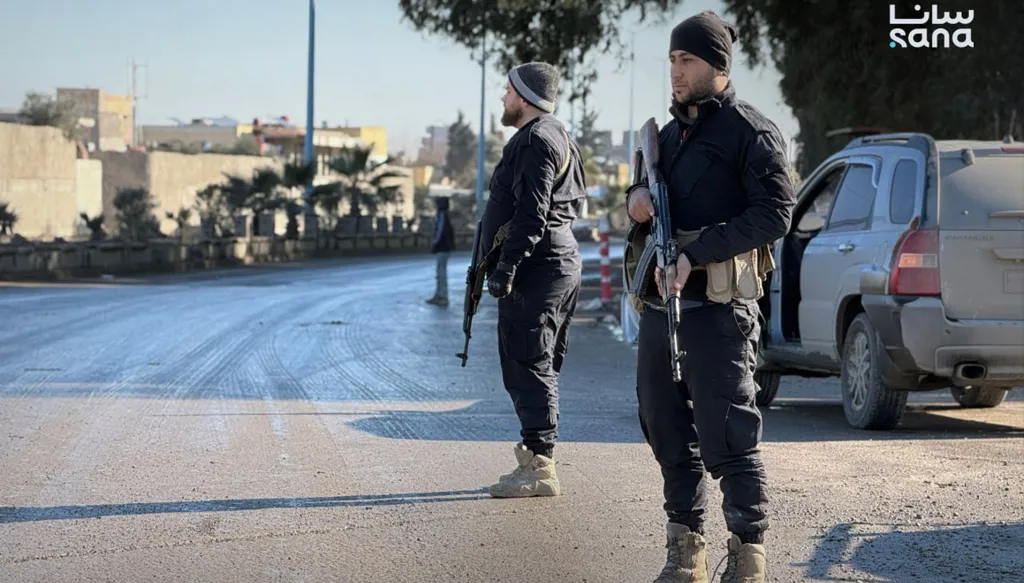
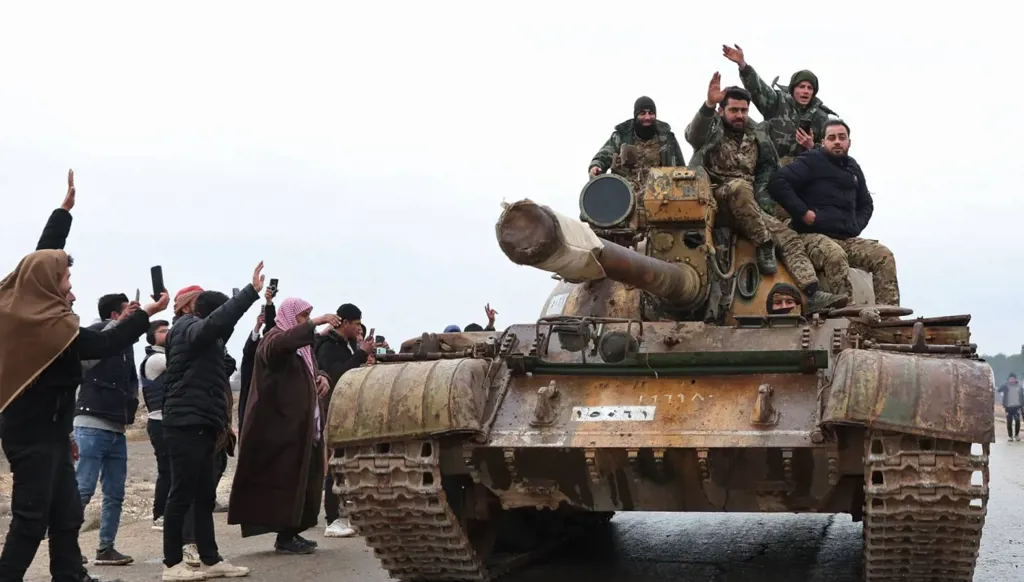
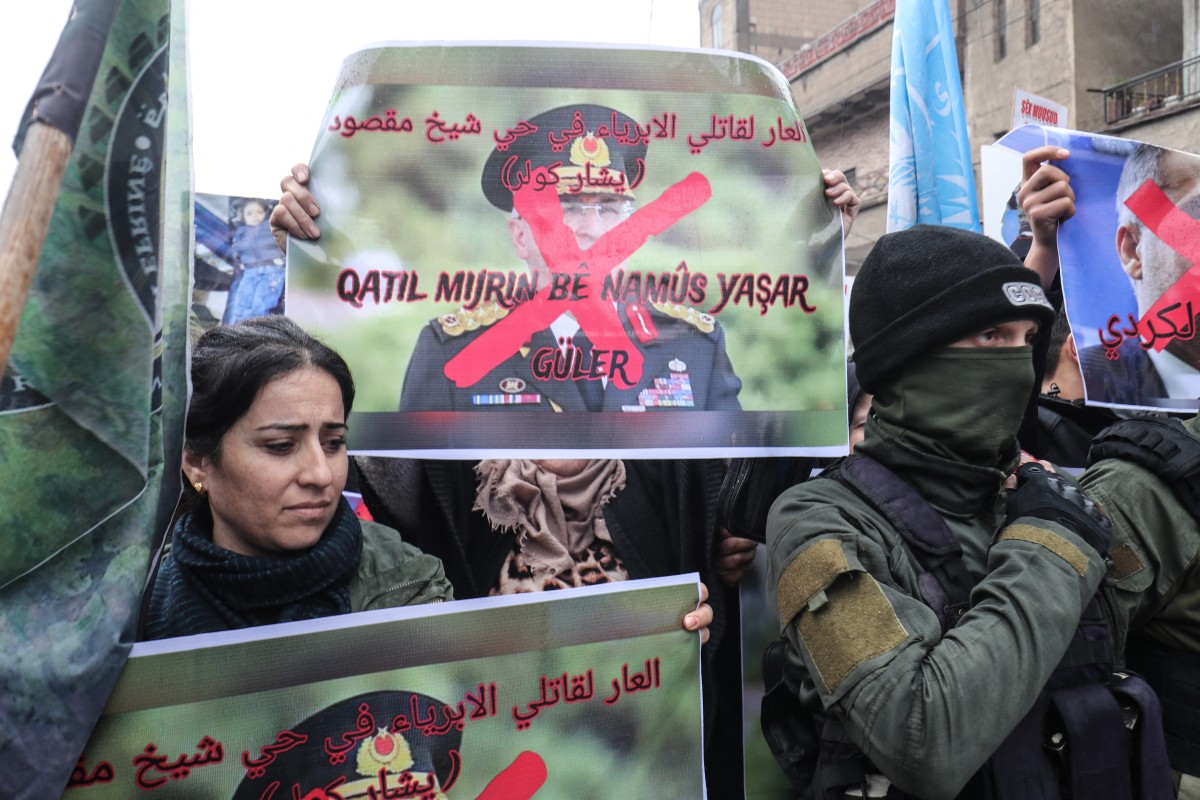
The battle of Sheikh Maqsoud ended with a decisive victory by Syrian government forces over the Syrian Democratic Forces (SDF), and attention now turns to East Aleppo and the entire northeastern region of Syria, where there is a Kurdish presence. The Syrian-Kurdish relationship is at its highest level of tension, with the March 10 agreement suspended and no serious prospect of its implementation. The question now is whether a major military conflict between the Syrian army and the SDF is imminent.
The scenario of Sheikh Maqsoud cannot be generalized to northeastern Syria, as the neighborhood is isolated, and the Kurdish and SDF military strength is concentrated in Hasakah and Raqqa. Therefore, a military resolution will be more difficult for both sides, and the losses will be massive. For this reason, the Syrian government and SDF are trying to buy time in anticipation of a potential political settlement under regional auspices to avoid the option of war.
What are the prospects for political solutions?
The clashes taking place and the violations that follow in Syria - with the examples of As Suwayda, the coast, and Sheikh Maqsoud - reduce the space for dialogue and trust between the components and the Syrian government, hindering political solutions. Zeid Safouk, the general coordinator of the Independent Kurdistan Movement in Syria, sees it as "difficult to find a trust space" for dialogue, with the Syrian government continuing military solutions with a green light from some international powers.
However, war does not mean a solution, as military solutions do not lead to political and social integration. In this context, there is no solution except through dialogue, potentially under U.S. sponsorship. Safouk indicates in his discussion with "Annahar" that "there is no solution except through dialogue," and he believes that returning to the March 10 agreement is "possible," but only after serious discussions about its terms related to integration, "which is difficult to achieve."
These negotiations were taking place in Paris but did not reach a conclusion. Safouk suggests that turning the SDF and Kurdish administration negotiations into a Kurdish political delegation involving a broad spectrum of Kurds is necessary, as "it is no longer acceptable for one party to control war and peace" and to conduct talks "to build a nation." This stance suggests there is a Kurdish opinion supporting the idea of a Syrian state and rejecting separatist projects.
Notable International Stances
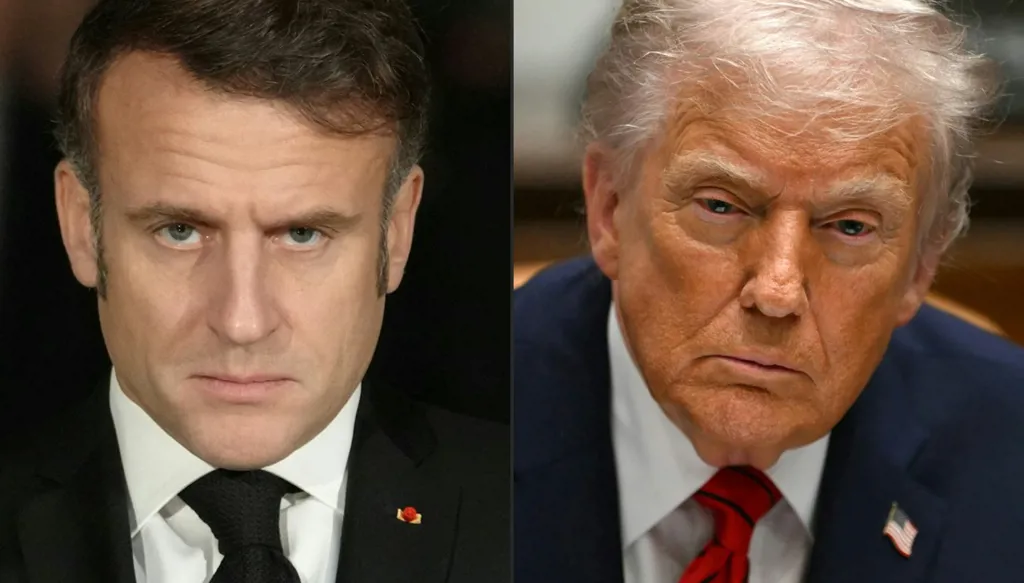
Despite the advanced U.S.-Kurdish relationship in northeast Syria, U.S. forces or coalition forces did not intervene in the recent conflict in Sheikh Maqsoud, nor did U.S. diplomacy pressure to stop the clashes or the Syrian government's advancement, which suggests that what happened in Aleppo was given the green light by the U.S., opening the door to a broader discussion related to the Kurdish project and prospects for separation.
Safouk discusses the U.S. and international position on the Kurdish file, noting that the Americans allied with the SDF to fight terrorism but have not declared a political stance supporting the Kurds. He talks about the equation of the north and south, suggesting that the U.S. may have turned a blind eye to the north in favor of Turkey, in exchange for Turkey turning a blind eye to the south and Israeli intervention.
In the end, the outlook in northeastern Syria is foggy, and the chances of military conflict are high after the battles of Sheikh Maqsoud and the mobilizations around the Euphrates, but the shuttle diplomacy that has defused the internal Syrian situation repeatedly over the past year might be capable of avoiding a major confrontation and steering towards political solutions.
العلامات الدالة
الأكثر قراءة