The "Putinization" of America? How Trump is shaping a new global strategy




شارك على
 مسنجر
مسنجر
 واتساب
 ثريدز
ثريدز
 بريد إلكتروني
 الطباعة
شارك على


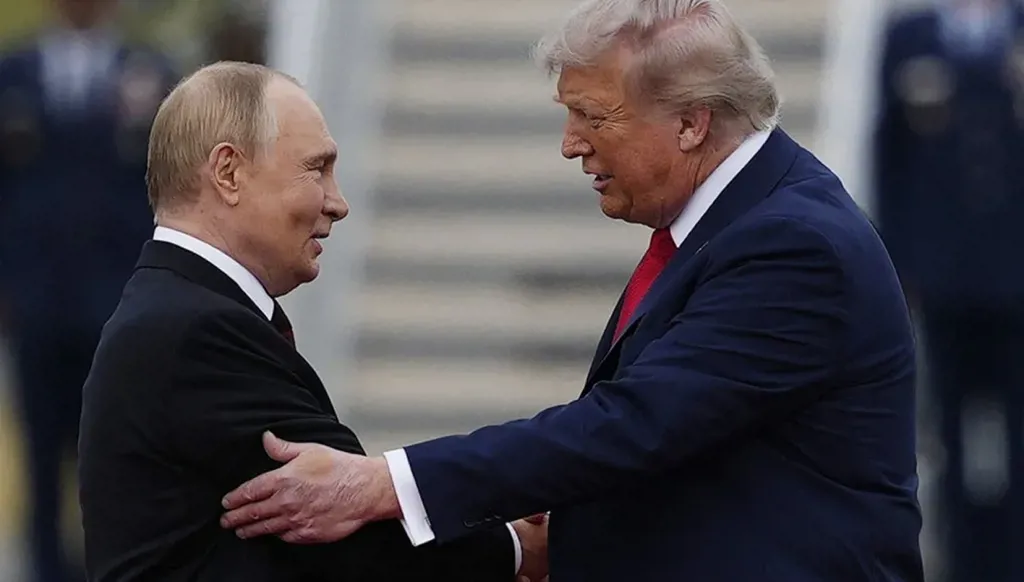


The idea originated with American political analyst David Rothkopf. Following the arrest of Venezuelan President Nicolás Maduro, Rothkopf wrote on the "Daily Beast" website that U.S. President Donald Trump had taken the “Putinization” of American foreign policy to a new level. The term refers to the White House adopting Russian President Vladimir Putin’s global vision, which divides the world into spheres of influence controlled by major powers.
Shortly after, Julian Borger of "The Guardian" referenced the idea, even using it as the title of his article. Similarly, thinker Slavoj Žižek played on the concept, titling his piece “Donald Vladimirovich Trump”—with the middle name nodding to Putin, as “Vladimirovich” literally means “son of Vladimir” in Russian, the first name of the Russian president’s father. The subhead of Žižek’s article also explicitly referenced the “Putinization” of American foreign policy.
A Gift?
Some questioned whether Trump had given policymakers in other major powers, such as Russia and China, the idea of arresting presidents. Others disagreed with this interpretation. Decker Eveleth, a research analyst at the CNA national security studies organization, argued that Moscow and Beijing refrain from such operations mainly because they lack the capabilities of the United States. He noted that Russia made early attempts during the initial days of the Ukraine invasion but failed, while China constructed a replica of the Taiwanese presidential palace for exercises—which, in his view, does not provide its military with practical operational experience.
The American success in arresting Maduro raises the question of whether the administration was inspired by what Moscow attempted in Kyiv during the early days of the invasion. But even if the idea of arrest was purely American—from conception to execution—the most important question remains whether American foreign policy is beginning to replicate its Russian counterpart.
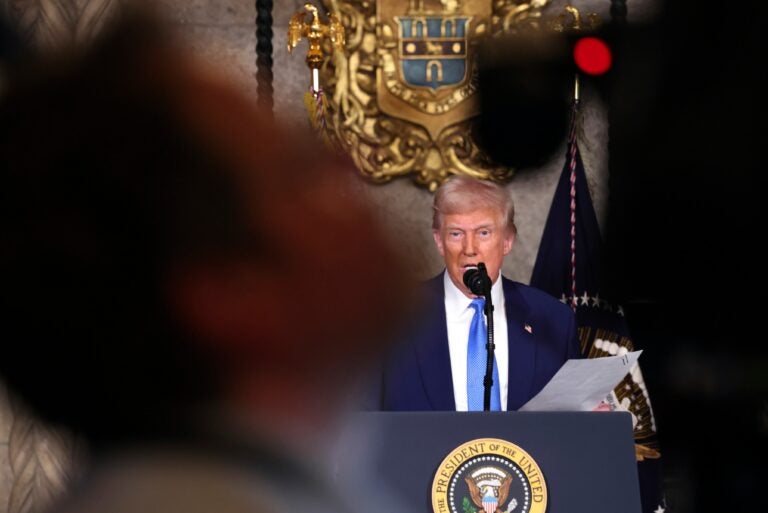
On a general level, this appears accurate: Trump’s willingness to accommodate many of Putin’s demands in Ukraine, the U.S.’s ambiguous stance on defending Taiwan, and Washington’s interest in exerting influence over Greenland all suggest a parallel worldview between Trump and Putin. Yet, beyond these examples, the similarities largely end.
Open to Threat
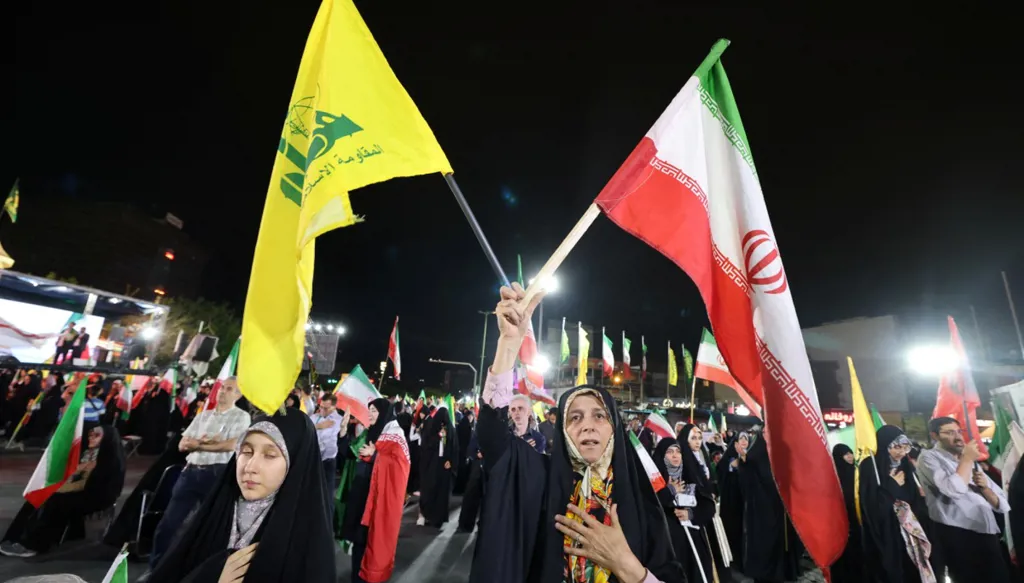
It seems the U.S. administration is logistically preparing to strike Iran, while closely monitoring how it handles the protesters. This suggests that America is considering intervening in a country outside the “Monroe Doctrine,” even though Iran is also a partner of Russia. On top of that, the U.S. president is reportedly interested in Greenland to bolster national defense against China and Russia. This undermines the idea that Trump is simply replicating Putin in his foreign policy. Even regions within Russia’s sphere of influence are not necessarily safe from U.S. encroachment or containment.
Moreover, Trump’s influences extend beyond Putin and Russia, reaching closer to domestic American history. He has a particular admiration for former U.S. President William McKinley (1897–1901). Trump mentioned McKinley in his inaugural address and honored him by restoring his name to the highest peak in North America through one of his first executive orders. McKinley was known for imposing high tariffs and expanding U.S. territory by annexing lands and several territories following victory over Spain. Trump also opened a hotel in Hawaii named after McKinley, which the United States had annexed as a territory during McKinley’s presidency.

Therefore, Trump appears to be reviving American policies that predate Putin. Yet the term "Putinization" seems likely to stick. It was first applied to Trump during his second term by "Le Monde" correspondent Piotr Smolar, just hours before the summit between Trump and his Ukrainian counterpart, Volodymyr Zelensky.
Disclaimer: The opinions expressed by the writers are their own and do not necessarily represent the views of Annahar.

العلامات الدالة
الأكثر قراءة
قصة "محروك إصبعه" التي تعكس تجارب الفقر والصعوبات التي عاشها كاظم الساهر في طفولته.