Iran protests through Iraqi eyes: Regional fears beyond Tehran’s borders



شارك على
 مسنجر
مسنجر
 واتساب
 ثريدز
ثريدز
 بريد إلكتروني
 الطباعة
شارك على


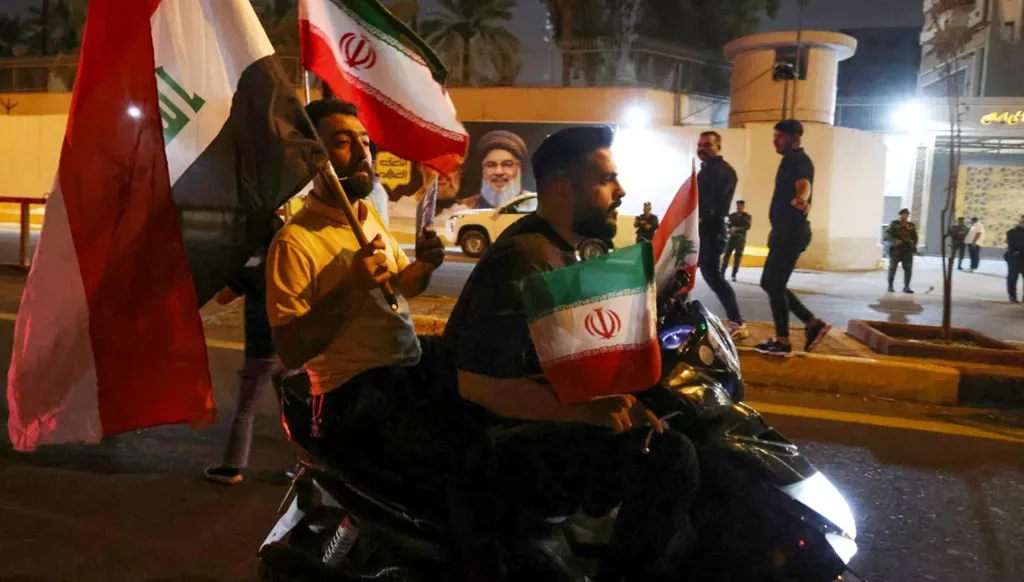


Iraqi observers view the ongoing protests in Iran as an event that transcends its internal borders, given Tehran's direct influence on regional security and stability. Iraqis, who have experienced the repercussions of chaos and foreign interventions, are watching the Iranian scene cautiously, fearing that the crisis could slip into open political and security paths.
Amid the name of Iraq being dragged in some media narratives, the Iraqi perspective emphasizes that Baghdad is not a party to what is happening inside Iran, nor does it have any interest in destabilizing its neighbor. In fact, they see that any major disturbance there would have direct repercussions on Iraq, both in terms of security and economically.
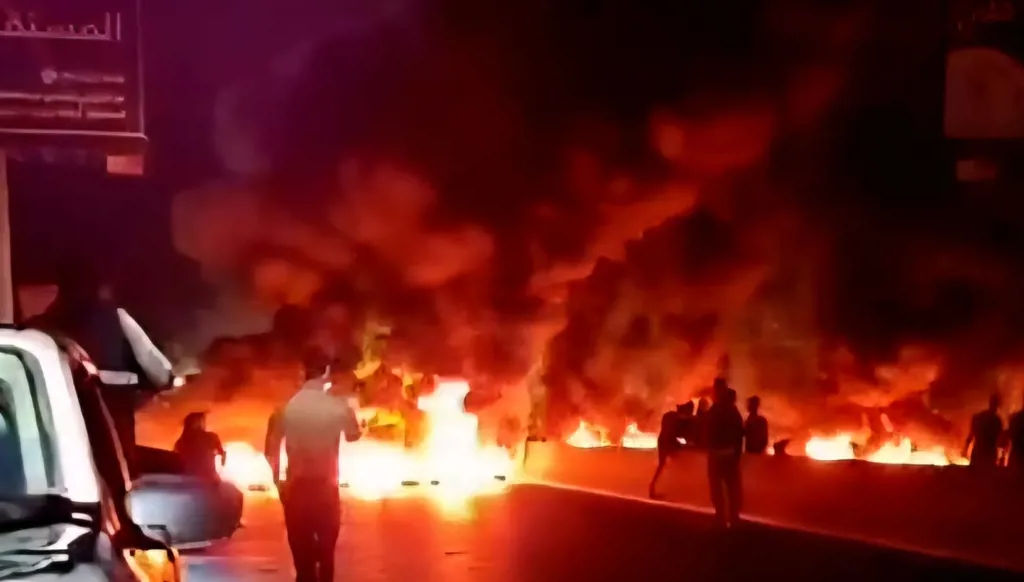
The Iranian protests have entered their sixteenth day, with a relative decline in the momentum of demonstrations in the capital Tehran and several major cities, according to correspondents and media outlets, alongside a near-total internet blackout, which has limited the flow of independent information.
Iraq emerged as one of the arenas in which the Iranian opposition abroad tried to involve its name in the developments of the Iranian scene. Opposition media platforms, most notably "Iran International", have intensified reports talking about the participation of Iraqi armed factions in helping the Iranian authorities to contain the protests, something that Iraqi parties have categorically denied.
The U.S. State Department expressed through its Persian-language account on the "X" platform a "grave concern" regarding reports suggesting that Tehran was resorting to allied foreign forces, including elements linked to the Lebanese "Hezbollah" and Iraqi armed factions, to suppress the protests.
The Secretary-General of the dissolved "Kata'ib Abu al-Fadl al-Abbas", Sheikh Aws al-Khafaji, stated to "An-Nahar" that these protests are not a new occurrence but rather an extension of a series of protests Iran has witnessed over the past five years due to economic conditions and internal factors, asserting that the Iranian security forces "do not need any foreign participation to handle the situation", explicitly denying any Iraqi role in either suppressing or supporting the protests.
Al-Khafaji expresses a legitimate Iraqi concern over the "potential repercussions" should the crisis escalate, urging Tehran to "address the internal causes of the protests" and to reduce its interference in the affairs of neighboring countries, including Iraq, and to confine its relations to diplomatic frameworks to maintain regional balance and prevent further tension in the area.
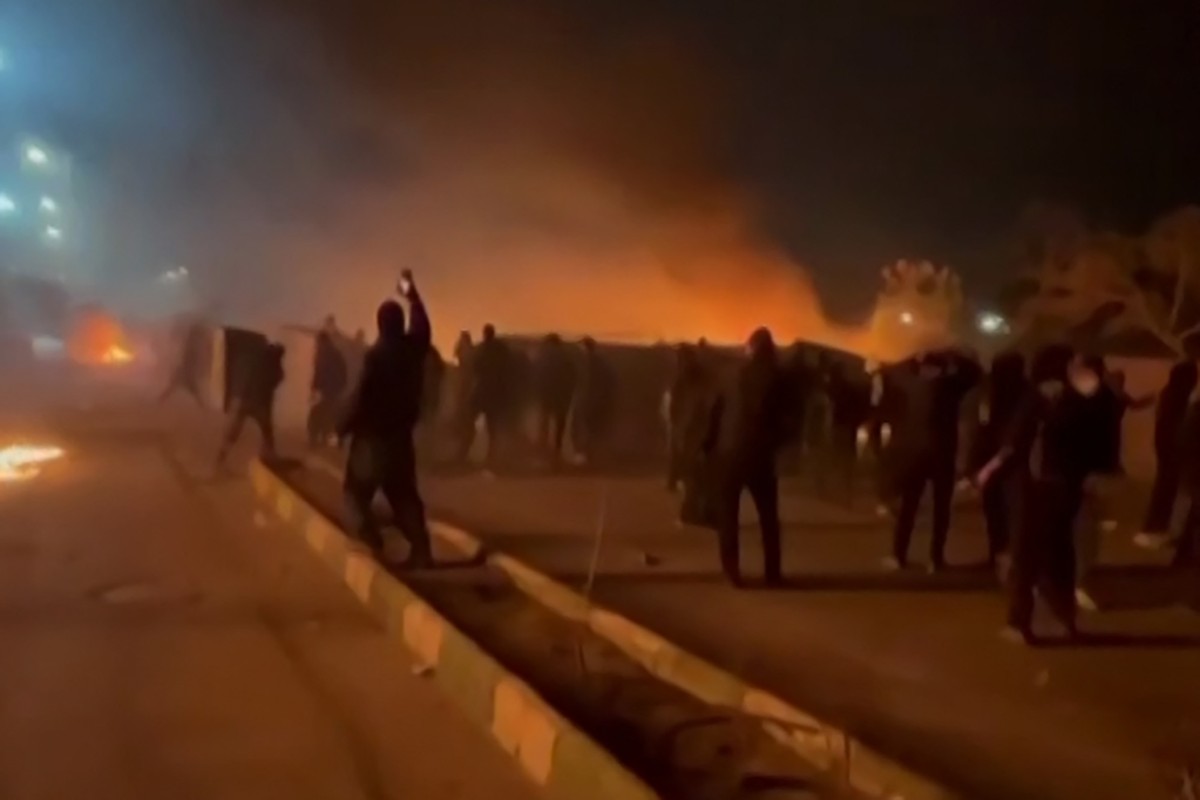
Dr. Abbas Aboud, an academic and researcher in international political affairs, in an analysis of the repercussions of the protests, states that "the right to protest is guaranteed for all peoples", but the timing of the protests, the nature of the international cover accompanying them, and the escalation targeting religious symbols and institutions raise questions about the "identity and directions of the movement".
Aboud warns in a statement to "An-Nahar" that "the fall of the Iranian regime, given the ethnic and sectarian complexities and foreign interventions, could open the door to scenarios of chaos and civil war, carrying with it dangerous repercussions for Iraq and the Gulf countries, whether through waves of refugees or escalating regional conflicts". He points out that the Iranian protests are not purely a domestic affair but represent a significant regional event, where international calculations intersect with Iraqi concerns.
Amid Baghdad's denial of any field role and its concern about potential impacts, Iraq remains committed to cautiously monitoring developments, stemming from its geographical location and intertwined interests with its Iranian neighbor, aiming to maintain its stability in a region experiencing one of its most sensitive periods.

العلامات الدالة
الأكثر قراءة

الأمن العام اللبناني ينفي... ما علاقة "حزب الله" والحرس الثوري الإيراني؟