Gaza’s Reconstruction: Dreams of a smart city or erasure of a people?



شارك على
 مسنجر
مسنجر
 واتساب
 ثريدز
ثريدز
 بريد إلكتروني
 الطباعة
شارك على


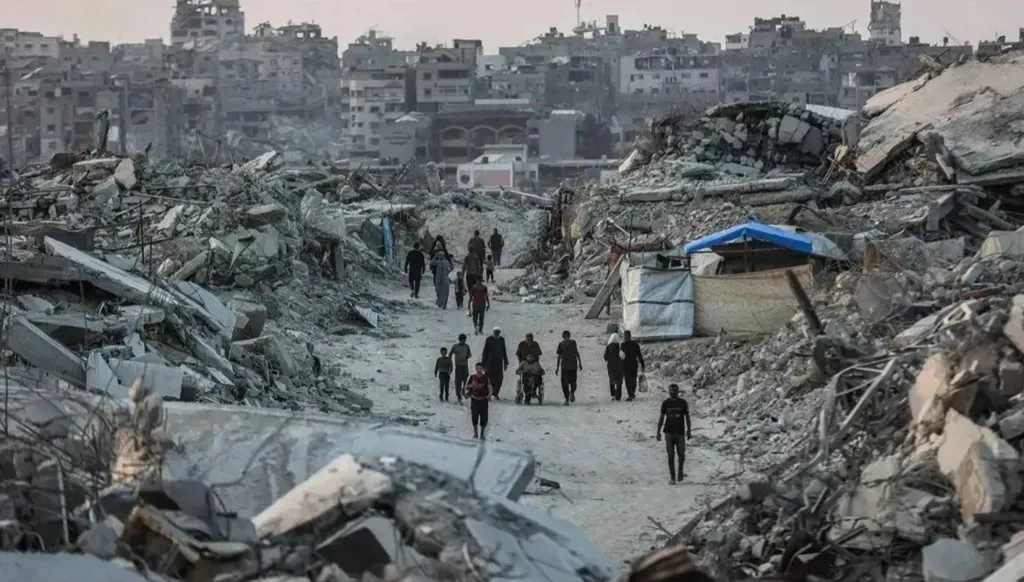


It is not possible to discuss a plan for rebuilding the Gaza Strip without several essential foundations in place—most importantly, the restoration of security and stability for two million Palestinians, along with a clear political vision for the day after and a defined objective for reconstruction.
This means that the reconstruction process—outlined in Arab, regional, and international understandings in response to President Donald Trump’s plan—depends on the willingness of all concerned parties. This includes the disarmament of Hamas and its withdrawal from the political arena, as well as Israel’s commitment to halt its war on the Gaza Strip, withdraw its forces, and allow humanitarian aid convoys to enter.
This also requires defining a clear political vision for the future of the Strip—whether it will be detached from the broader Palestinian entity as an independent unit, remain under Israeli occupation, or pass through a transitional phase that ultimately integrates it into the Palestinian Authority as part of a future Palestinian state.
Moreover, reconstruction will remain clouded by doubts over the intentions of the various parties involved. While some seek to enable two million Palestinians to live in Gaza, others aim to reshape realities that could erase the Strip by altering its character, and still others appear intent on making life increasingly difficult for Palestinians in order to push them out indirectly.
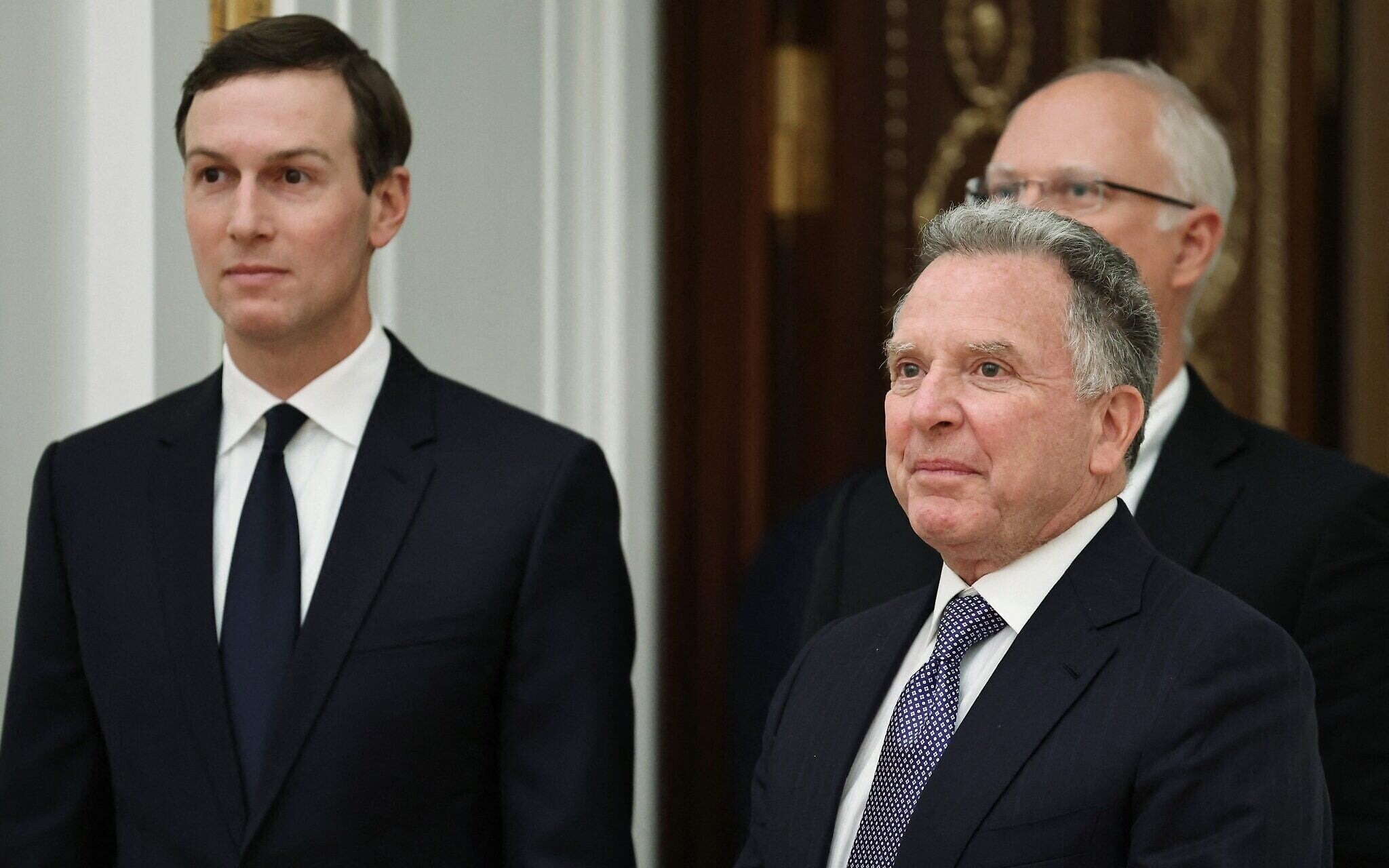
In other words, rebuilding the Gaza Strip hinges on clarifying what the influential and controlling actors seek in shaping the broader order of the Arab East. Recasting Gaza as a "Riviera" or a high-tech zone of towers and beaches would, in effect, amount to its erasure—both in form and substance—reducing residents who can afford to live under such conditions to mere historical, cultural, geographic, and political remnants or a labor force, while pushing large segments of the population who cannot bear the cost of living toward displacement. This philosophy is embraced by American and Israeli political circles, as well as by companies racing to invest and accumulate profits, as reflected in the "Project Sunrise" put forward by U.S. presidential envoys Steve Witkoff and Jared Kushner.
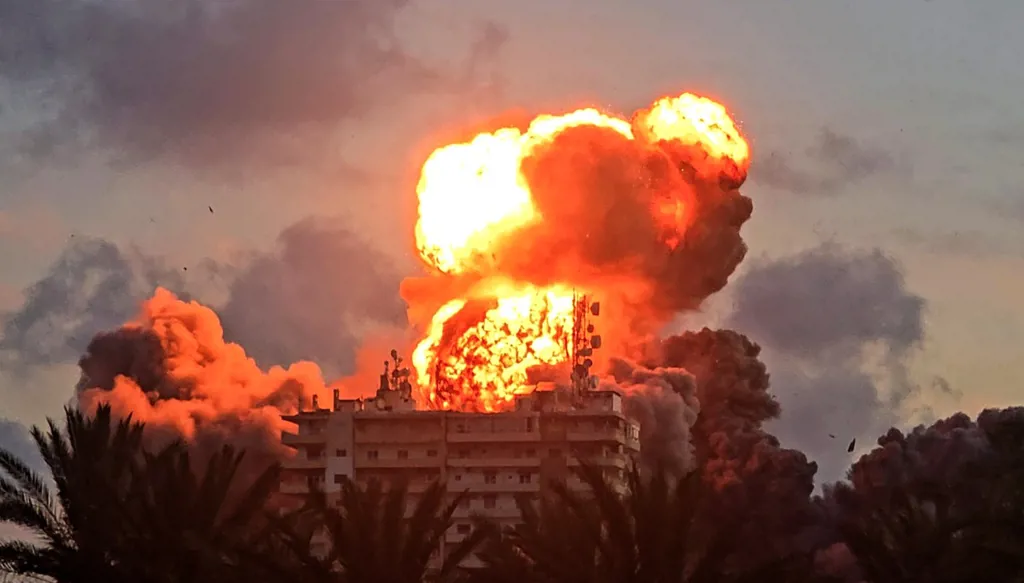
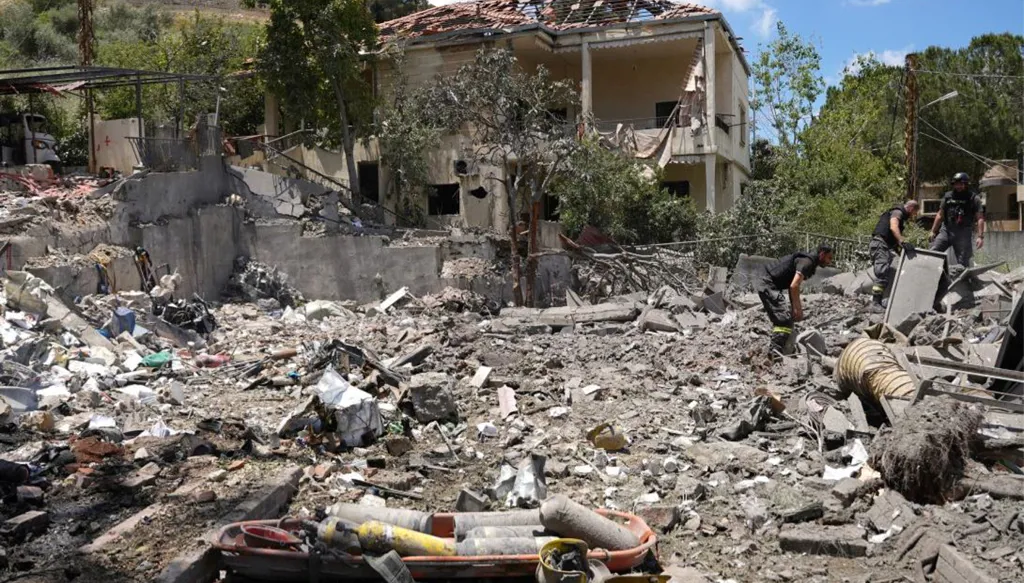
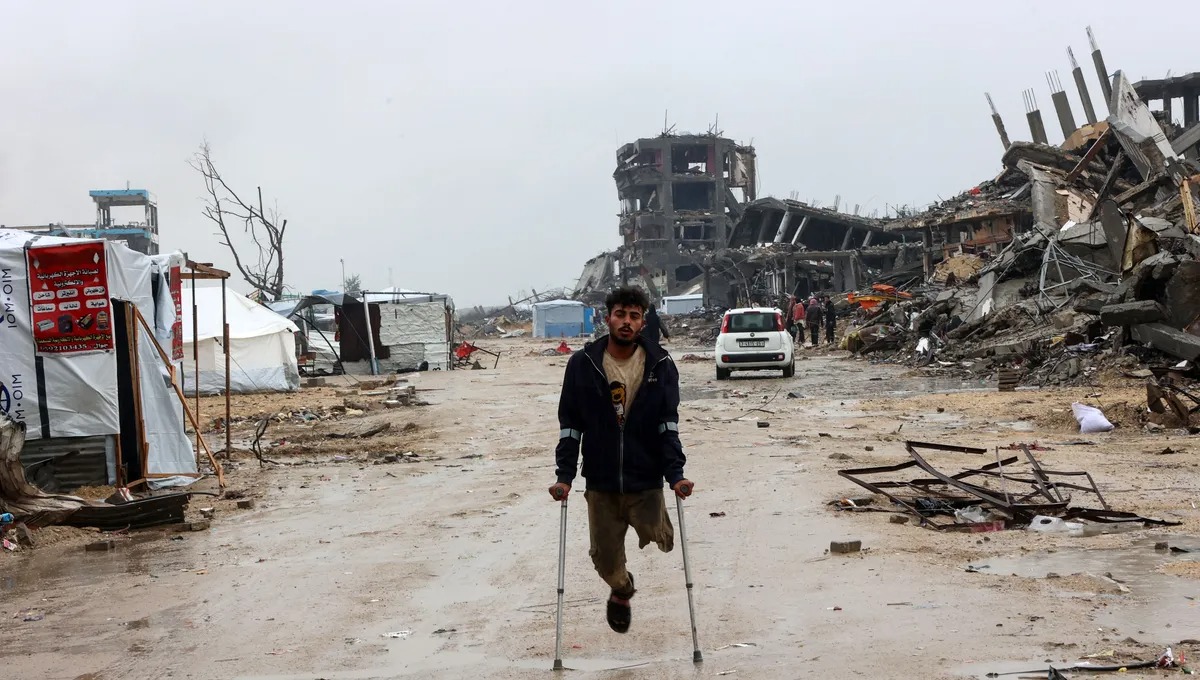
Of course, there is no ideal scenario in the aftermath of the devastation in Gaza, where 80 to 90 percent of buildings and infrastructure have been reduced to rubble, and two million Palestinians are living without income, largely dependent on foreign aid, under the restrictive control of Israeli forces, in an area scarce in natural resources.
It should be noted that the cost of reconstruction is estimated at between $50 billion and $120 billion, with the process expected to take one to two decades. According to the 32-page Kushner–Witkoff project, the plan envisions the construction of a modern technological and "smart" city featuring residential zones, advanced infrastructure, high-speed rail, artificial intelligence systems, and sophisticated service sectors, at an estimated cost of around $112 billion. The proposal anticipates that the United States would cover roughly 20 percent of the financing, with the remainder coming from Arab countries and international partners.
In any case, reconstruction and the securing of its funding—regardless of its form or orientation—remain contingent on the establishment of a so-called ‘Peace Council’ to act as a supervisory, or effectively custodial, authority over the Gaza Strip. The council would be headed by U.S. President Donald Trump and include a range of international and regional leaders, alongside the creation of an executive administration composed of Palestinian technocrats. The plan also envisions the deployment of an international military force, made up of troops from Arab countries such as Egypt, Jordan, and Qatar, as well as regional and Islamic states including Turkey, Pakistan, Indonesia, and Azerbaijan, in addition to Western nations, under clear U.S. leadership. This force would be tasked with enforcing security and stability in Gaza. Further details are expected to be clarified at a conference planned on the sidelines of next month’s Davos Forum.
Over the course of the brutal two-year genocide, Israel completely destroyed around 300,000 housing units and partially damaged an additional 200,000, rendered 25 of Gaza’s 38 hospitals inoperable, damaged 95 percent of schools, and disabled 85 percent of water facilities, leaving the Strip with an estimated 55 million tons of rubble to remove.
Thus, while reconstruction is vital for the people of Gaza, the pressing question—based on the political, security, and economic realities of rebuilding—remains: what will ultimately survive of the Gaza Strip and its population? Will reconstruction preserve them, or will it proceed at their expense?

العلامات الدالة
الأكثر قراءة