Why Iran’s economic crisis keeps reigniting protests?



شارك على
 مسنجر
مسنجر
 واتساب
 ثريدز
ثريدز
 بريد إلكتروني
 الطباعة
شارك على


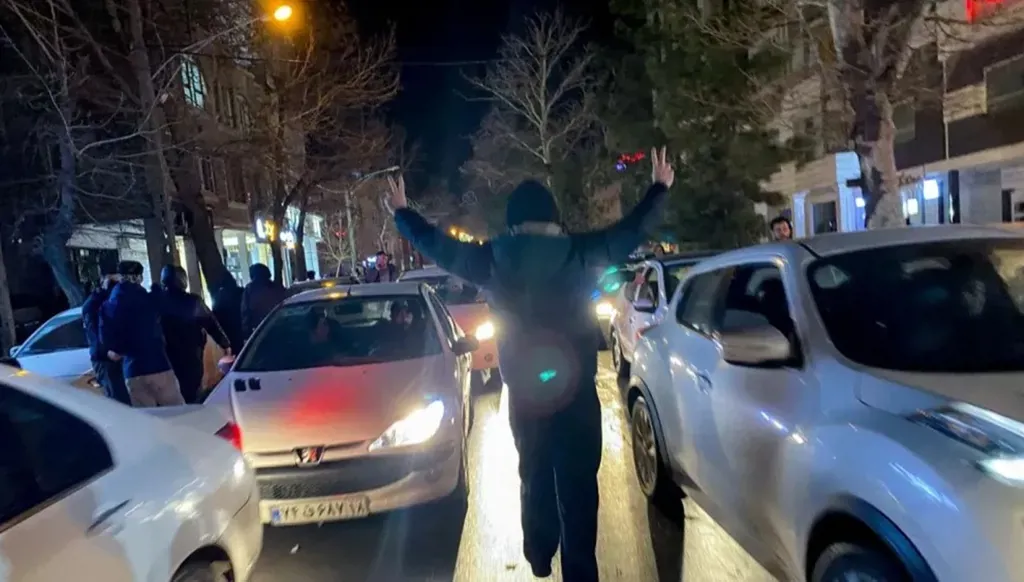


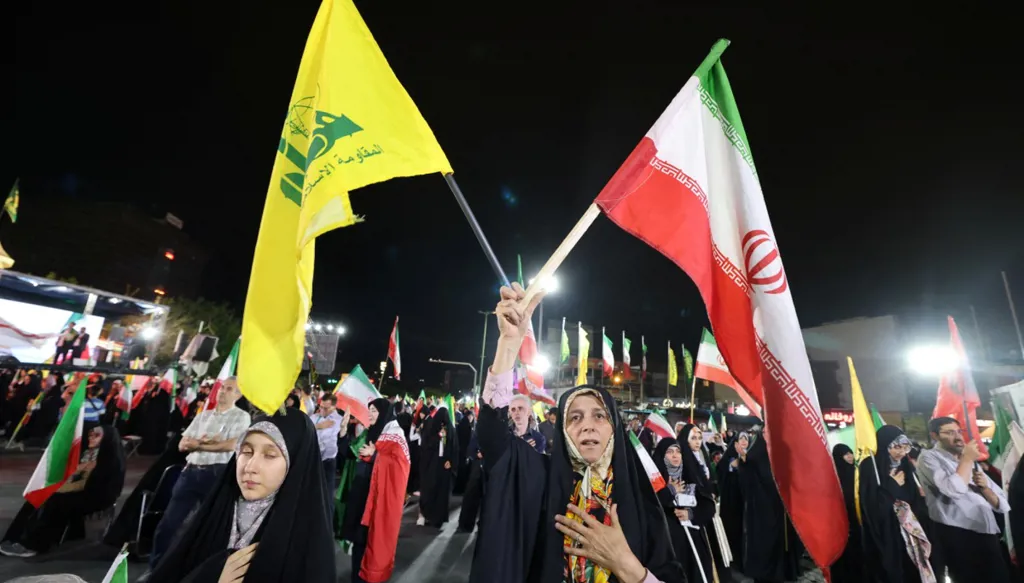
Protests in Iran are no longer an exceptional phenomenon or tied only to specific political events. Instead, they have become a recurring expression of deep economic imbalances that have built up over years. Economic factors, from the collapse of the currency and high inflation to weak growth and international sanctions form the solid ground that allows any social or political spark to quickly turn into a larger wave of anger.
The latest wave of tension came amid a sharp fall in the value of the rial. According to international reports, the dollar in the parallel market (meaning the unofficial exchange market) reached around 1.4–1.5 million rials in early 2026, a historic record. Reuters notes that the rial has lost more than 90% of its value since U.S. sanctions were reimposed in 2018. This collapse is not merely a financial issue, it immediately affects prices in an economy that partially relies on imports, whether for consumer goods or production inputs.
Inflation is the most painful channel through which the crisis reaches society. According to International Monetary Fund (IMF) estimates, average inflation in Iran reached around 41% in 2023, with higher rates recorded in later periods. Data published on international economic platforms shows that annual inflation approached 49% in the fall of 2025. The IMF also expects average inflation to remain above 40% in 2026, meaning the erosion of purchasing power is not temporary, but almost permanent.
These figures explain why Iranians feel that wages are “evaporating.” Even with nominal salary increases, real wages continue to decline. According to media reports based on official Iranian data, rents in Tehran rose by roughly 34% year-on-year in a recent period, while food prices increased at a pace faster than overall inflation. Some media estimates, citing officials in commercial sectors, reported that food prices recorded increases exceeding 60% to 70% over a single year during certain periods, with figures varying depending on the basket of goods and the timeframe reflecting the intensity of living pressures.
International sanctions form the broader framework of this crisis. They restrict oil exports, hinder inflows of hard currency, and raise the cost of trade and financing. According to the International Monetary Fund (IMF), Iran’s economic growth in recent years has remained modest, often between 2% and 3%, with a clear slowdown expected to below 1% this year. Such weak growth is insufficient to absorb new entrants into the labor market or to compensate for years of stagnation, while also limiting the state’s ability to expand social spending without resorting to “inflationary financing” (meaning printing money instead of securing actual funding).
The labor market also reflects the depth of the crisis. While official statistics show overall unemployment rates below double digits in some periods, the data indicates youth unemployment is much higher. Official reports indicate that unemployment among the 16–24 age group hovers around 19%, which helps explain the strong presence of young people in protests. In addition, labor actions continue to occur due to delays in wage payments or declines in real wages, adding a permanent layer of economic tension.
Energy subsidy reform has historically been one of the most sensitive issues. In the November 2019 protests, a gasoline price hike, reaching up to about 200% for some categories according to Reuters triggered a widespread eruption of anger. Since then, any adjustment to fuel prices or quota systems has been met with deep suspicion, because transportation costs quickly feed into the prices of food and services.
It is true that some protest waves, such as those in 2022, began with clear social and political causes, but the economy has always been the factor that broadened their reach. High inflation, currency collapse, and weak job prospects make large segments of society feel that the cost of staying silent is higher than the cost of protesting.
In conclusion, what Iran is experiencing is not a passing crisis, but the result of a strained economic model: a weak currency, chronic inflation, limited growth, and suffocating sanctions. Without addressing these roots through real monetary stabilization, transparent reforms, and improved job opportunities—protests will remain likely to recur, because the economic drivers behind them are still in place.

العلامات الدالة
الأكثر قراءة