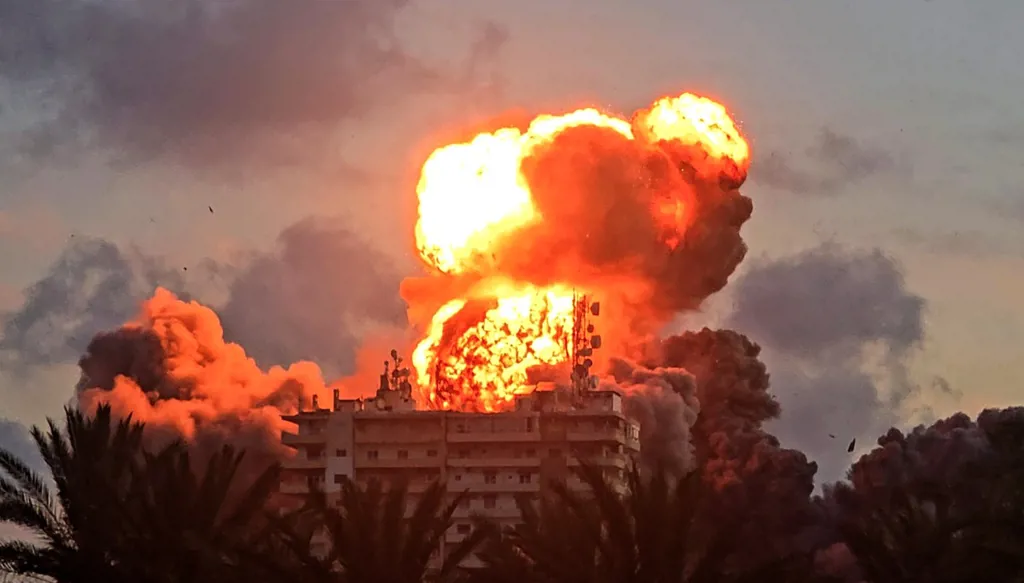
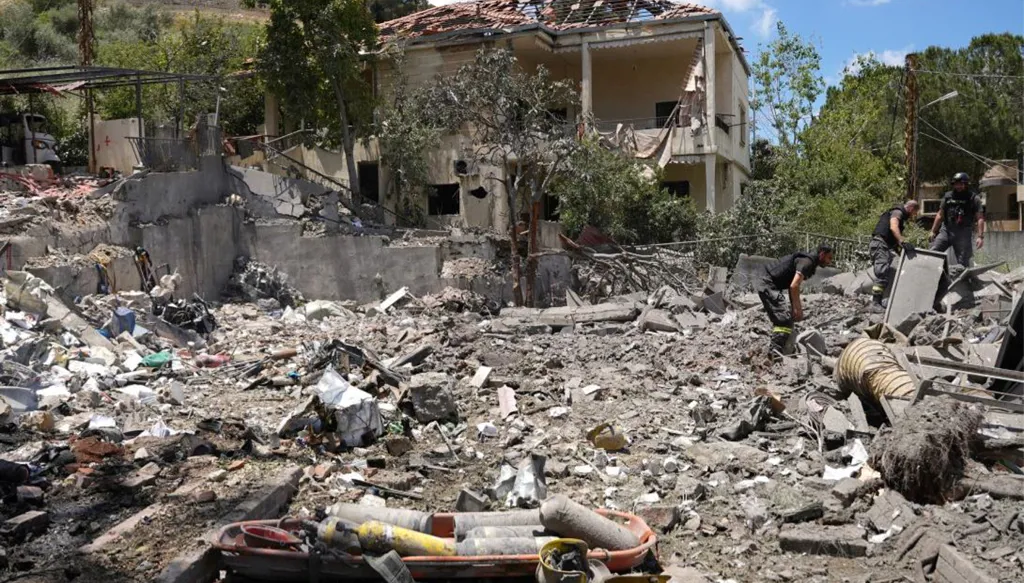
From Caracas to Beirut: How Iran’s regional proxies are feeling the heat



شارك على
 مسنجر
مسنجر
 واتساب
 ثريدز
ثريدز
 بريد إلكتروني
 الطباعة
شارك على


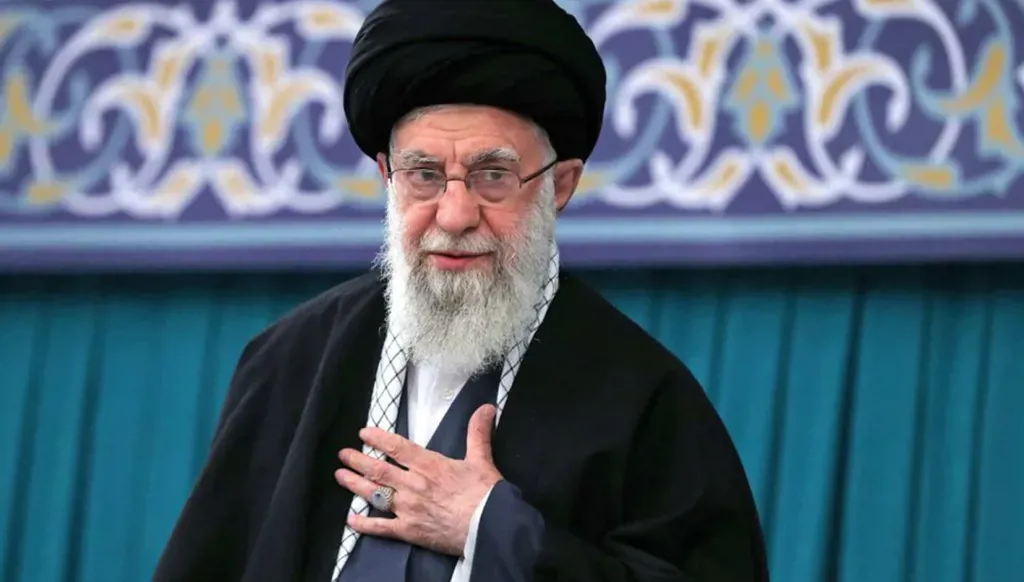


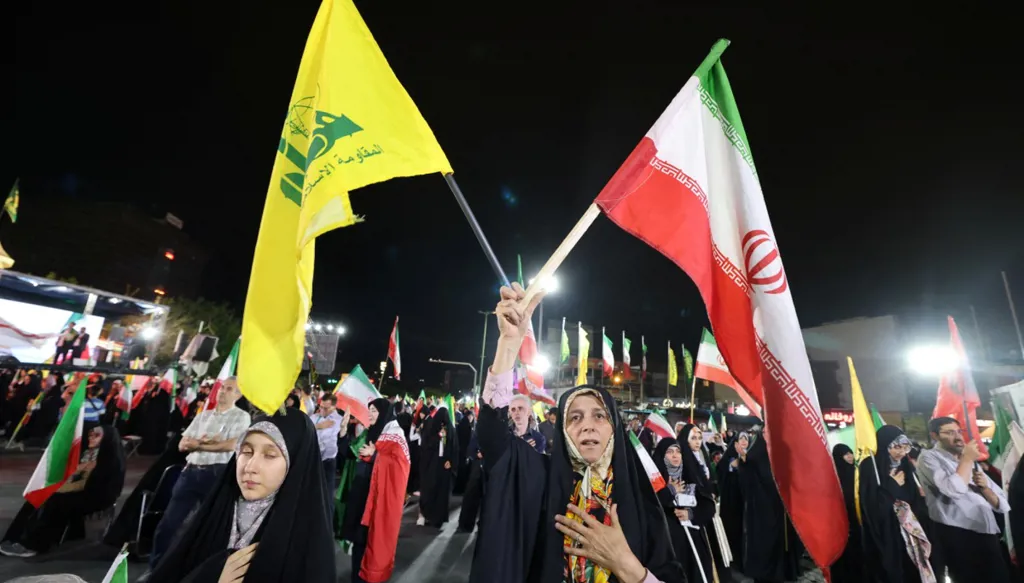
As the “Mechanism” Committee awaits reports from the Lebanese Army on the completion of the first phase of the disarmament plan and the announcement of the second phase covering the area between the Litani and Awali Rivers, U.S. and Israeli attention is expected to shift from Lebanon and Hezbollah’s arsenal back to Iran. This comes in the wake of the United States’ arrest of Venezuelan President Nicolás Maduro and his transfer to trial in New York, set against a backdrop of daily, escalating public protests in Iran. These protests are intensifying pressures on the Iranian regime, which continues to reel from the severe setback it suffered in its conflict with Israel and the U.S. last June.
Washington and Tel Aviv are reportedly preparing for a potential new military confrontation with the Iranian regime under two parallel strategies. The American approach emphasizes warning Tehran against violent repression of street protesters, while the Israeli approach focuses on targeting the so-called "head of the snake" prioritizing Iran itself over its regional proxies, including Hezbollah. Last Sunday night, Israeli Prime Minister Benjamin Netanyahu convened a broad security meeting to review the fronts Israel may need to confront in the future—including Lebanon—but it was clear that the Iranian front has now become the top strategic priority.
The Middle East now stands on a “tightrope,” with the potential for a rapid escalation into a major conflict between Israel, supported by the United States, and Iran. The decisive factor will likely be Iran’s internal unrest: the extent to which protest waves ignite across both large and small cities could determine the survival or collapse of the regime. For the protesters, the challenge lies in expanding the movement, drawing in new sectors of society—including those who had previously remained neutral toward the government.
There is no doubt that the fall of Maduro represents a serious test for Iran, especially given that Venezuela has long served as a stronghold and support base for the regime on multiple levels. The impact will depend on the form and substance of any deal struck by Washington with Venezuela’s deep state, particularly whether it targets the liquidation of Iran’s interests and its regional proxies. Of special concern is Hezbollah, which has operated in Venezuela for decades, engaging in various commercial activities—most notably drug trafficking and money laundering—as a quick means to fund its military and security operations.
The situation in Venezuela must be closely monitored, as it will quickly reveal the extent of Iranian and Hezbollah losses. A setback through the collusion of the Venezuelan deep state with the United States can be far more damaging than a destructive war. This reflects the ongoing shift in the Venezuelan political and social landscape under U.S. strategic guidance, month by month tightening the isolation around Iran and its proxies. The warning is clear: party leaders must act now—lay down these weapons and return to Lebanon before it’s too late.
Disclaimer: The opinions expressed by the writers are their own and do not necessarily represent the views of Annahar.

العلامات الدالة
الأكثر قراءة