

Remote learning in Lebanon and the challenges facing students with special needs
From unstable connectivity to the limits of online therapy, students with learning difficulties struggled to keep up as essential support systems were only partially adapted to remote formats.




 Messenger
 Whatsapp
 Threads
 Email
Email
 Print
Print
 X
X
 Facebook
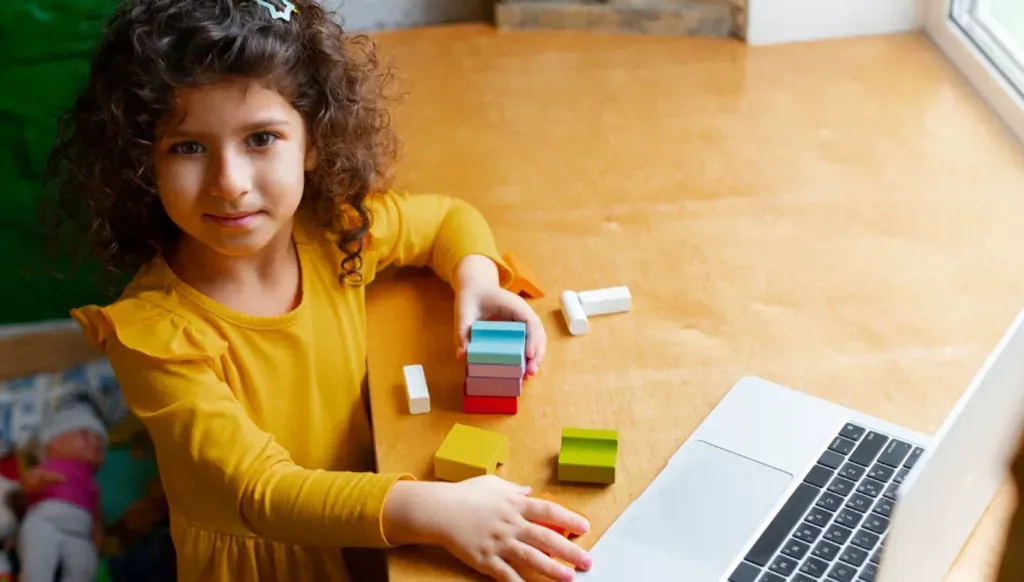


The remote education experience in Lebanon does not seem easy for students in regular grades. Weak internet, electricity outages, and disparities in families’ ability to provide devices for each child are all factors that make learning through a screen a daily challenge.
These difficulties become even greater when the student has special needs or learning difficulties, as digital platforms alone are not sufficient to ensure the support they need to follow their lessons and receive information properly.
Even therapeutic sessions for disability cases cannot be replaced by remote sessions, although they are a fundamental part of the educational path of any child with special needs. How did this stage pass for this group of students?
Roudy Al Atat, the mother of a student who has a mild learning difficulty, notes in her conversation with Annahar that remote education is disturbing for all children and they lose focus during it, so how is it for someone who has a difficulty like her daughter.
She explains that fortunately they were in a safe area, and her daughter’s accompanying teacher in the classroom, a shadow teacher, was able to follow her in person at home to help her with her remote classes, which ensured her focus and allowed her to keep up with the lessons like her peers in the inclusive classroom.
Alongside the importance of having a shadow teacher for any student with special needs and learning difficulties, therapy sessions are considered essential to ensuring their continued learning. So how were these sessions replaced?
Speech therapist Nicole Melki confirms that some sessions were provided remotely for many cases and were effective and the best possible option during that period.
However, she adds that there are cases that cannot be exposed to screens or effectively supported through remote intervention, such as a highly active child, for example.
Occupational therapist and training supervisor at Saint Joseph University, Cynthia Abdel Nour, agrees with Melki and points out that there are tools that must be used in person with many cases in therapy centers or inclusive schools, and cannot be replaced.
She stresses that some cases may worsen if their therapy is not followed up, which in turn affects their academic path.