

Lebanon-Israel Talks: Trump Extends Ceasefire by 3 Weeks



 Messenger
 Whatsapp
 Threads
 Email
Email
 Print
Print
 X
X
 Facebook
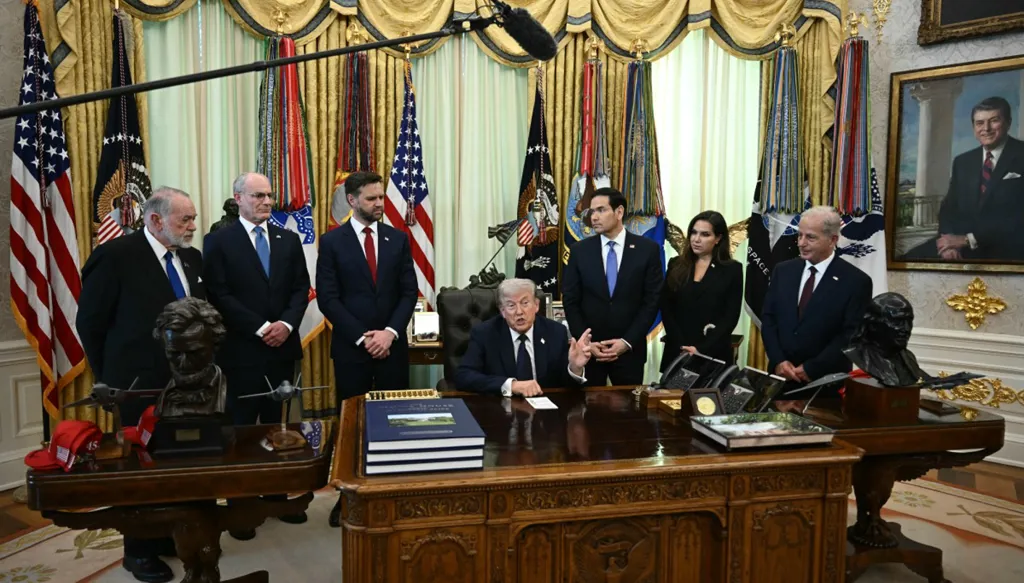


The second round of talks between Lebanon and Israel was held at the White House in Washington, attended by U.S. President Donald Trump, just four days before the ceasefire deadline, in an attempt to stabilize the situation and prevent military escalation on the southern border.
Donald Trump announced that the ceasefire between Israel and Lebanon would be extended for 3 weeks. He stated that "the Oval Office meeting went very well."
He affirmed that "the United States will directly support Lebanon to enable it to protect itself from Hezbollah, and we must work with Lebanon to assist them against it," adding: "Israel must defend itself if it is targeted by rockets, but it should do so cautiously."
He added, "We look forward to hosting Israeli Prime Minister Benjamin Netanyahu and Lebanese President Joseph Aoun soon in Washington."
Regarding the Israel boycott law, Trump asserted, "I will ensure the repeal of the law criminalizing communication with Israel in Lebanon."
He spoke of a "great opportunity" to reach a peace agreement between the two countries this year.
He concluded: "I think the peace file in Lebanon is relatively easy compared to other files we are currently working on, and Iran must cut its funding to Hezbollah."
" A Historic Moment"
U.S. Vice President JD Vance considered the ceasefire extension between Israel and Lebanon a significant historic moment.
Meanwhile, U.S. Secretary of State Marco Rubio said, "We will be closer to a lasting peace between Israel and Lebanon within weeks," adding: "Lebanon and Israel want peace and are victims of Hezbollah."
The Israeli Ambassador to America said: "We hope to achieve peace with Lebanon soon, and we want it."
He considered that "the problem is not in Lebanon and Israel, but with Hezbollah."
The Lebanese Ambassador to America thanked Trump for "his support and assistance to Lebanon," saying: "Hoping to make Lebanon great again."
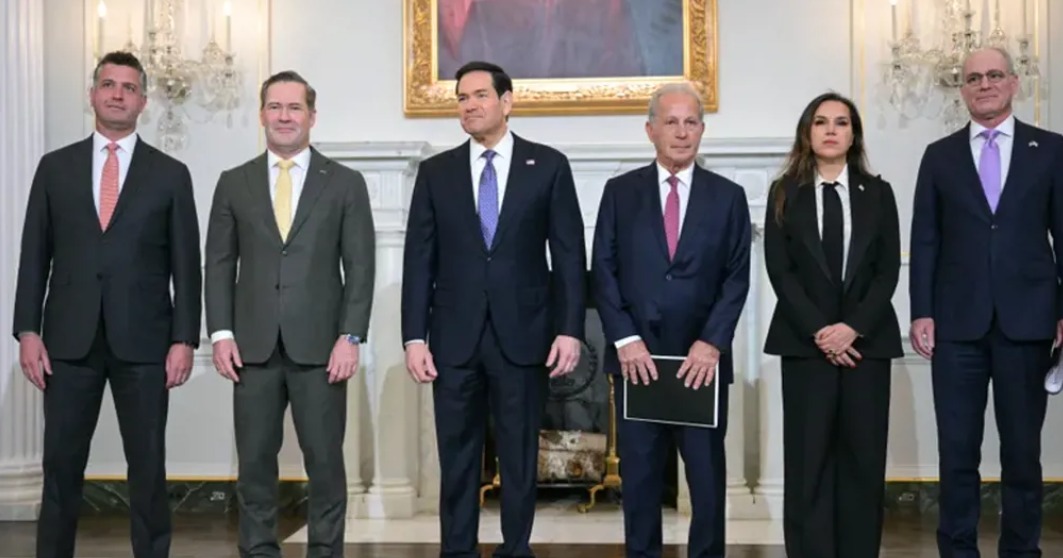
The meeting was attended by U.S. Ambassador to Lebanon Michel Issa, and U.S. Ambassador to Israel Mike Huckabee.
Issa said: "Today is a historic day, and we will continue to reach the desired peace."
Huckabee considered that "the Lebanese and Israeli people want to live together peacefully, but there is a troublesome element preventing that."
The Lebanese delegation was represented by Ambassador Nada Moawad, as in the previous round, with a formal statement expected upon the conclusion of the meeting to clarify the main outcomes and the course of the talks.
Israeli Reaction
Following Trump's announcement, the Israeli Broadcasting Corporation stated: "Exactly as Lebanon requested and despite the rocket salvos targeting the north today and without cabinet approval, the extension was decided."
Developments in the South
Simultaneously with the start of negotiations, Israeli media reported the interception of 3 rockets launched from Lebanon towards the Upper Galilee, with 2 landing in open areas.
The Israeli Home Front announced sirens sounding in the village of Shtula in the western sector of the border with Lebanon, following the detection of a rocket salvo launch.
Extending the Truce at the Core of Discussions
In a conversation with "Annahar", American congressional affairs analyst Jay Ghazal earlier deemed today's meeting a positive step, suggesting it would focus on extending the truce.
He noted that "the Lebanese delegation will demand continued U.S. pressure on Israel to stop military operations and targeting infrastructure, and withdrawal from Lebanese territories before any direct negotiations."