

Israel’s “Yellow Line” in south Lebanon: Pressure tool, military calculations, and regional negotiations




 Messenger
 Whatsapp
 Threads
 Email
Email
 Print
Print
 X
X
 Facebook
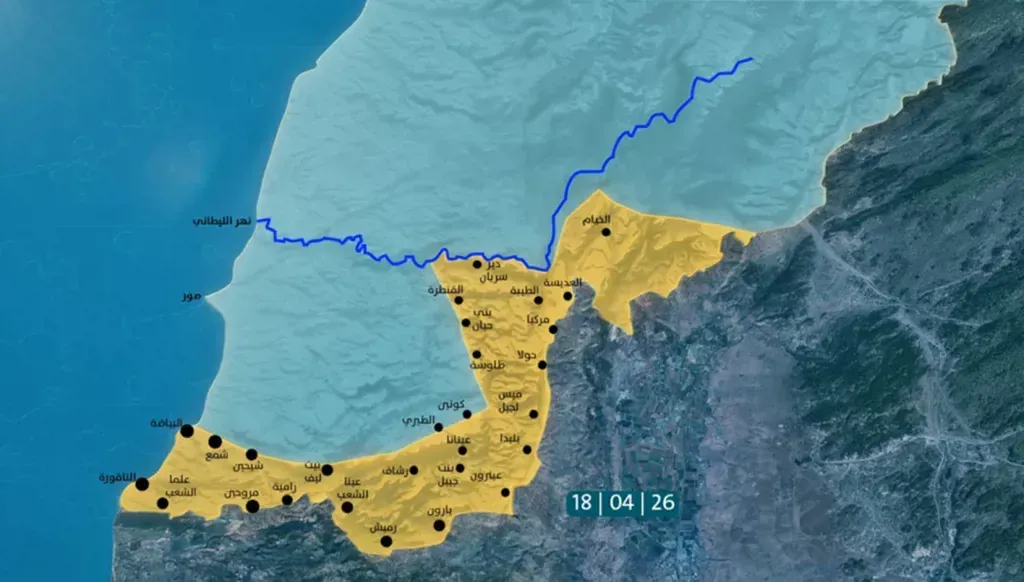


Lebanon does not accept the existence of Israel’s “yellow line” and its designation in the south, especially since it is encroaching on an area that spans 50 villages and is causing the displacement of their residents from Naqoura to the outskirts of the villages of Arqoub.
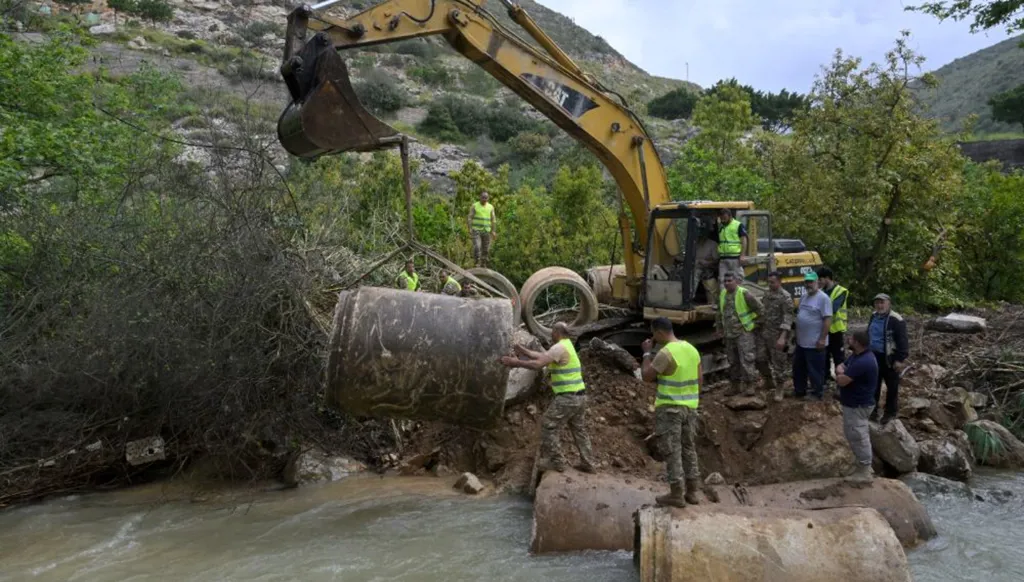
This line recalls the “security belt” that extended from 1978 to May 2000, but with differences in geopolitical conditions and regional shifts over the past two years. Israel has not yet finalized the trajectory of this belt or its future, as it would impose a series of military and financial burdens on it, and it links it to the fate of Hezbollah’s weapons.
For residents in its northern settlements, Israel will present the argument that by controlling this area it can secure their protection and prevent Hezbollah rockets from reaching them and targeting their homes and institutions. It is using the same justifications it used in the late 1970s during the peak activity of Palestinian factions and the Lebanese National Movement in this region.
The difference between the former belt and today’s “yellow line” is that Israel did not destroy those villages back then, and a significant number of residents remained despite displacement, whereas this time it has led to their forced displacement. It also established a militia under the name “South Lebanon Army.”
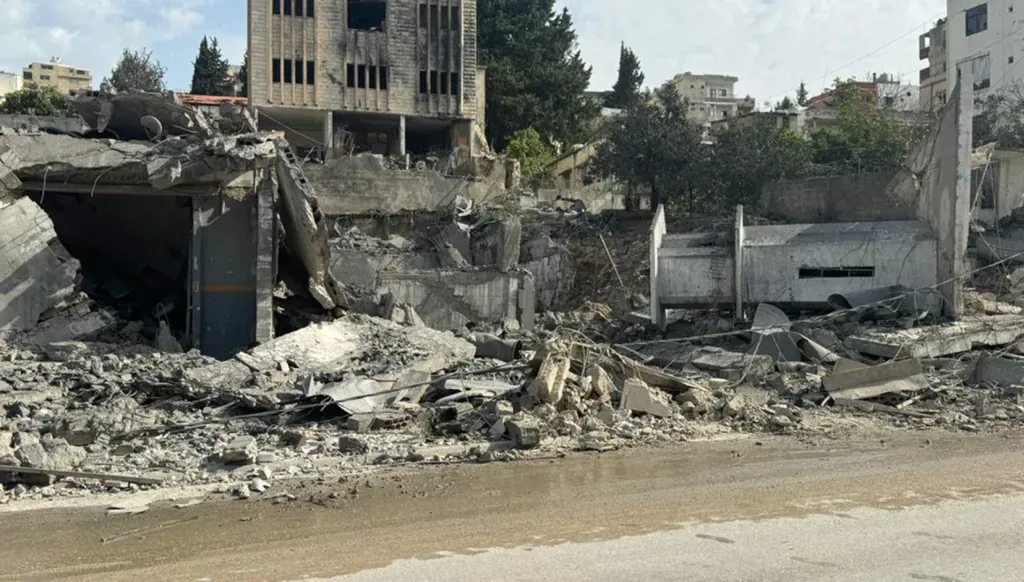
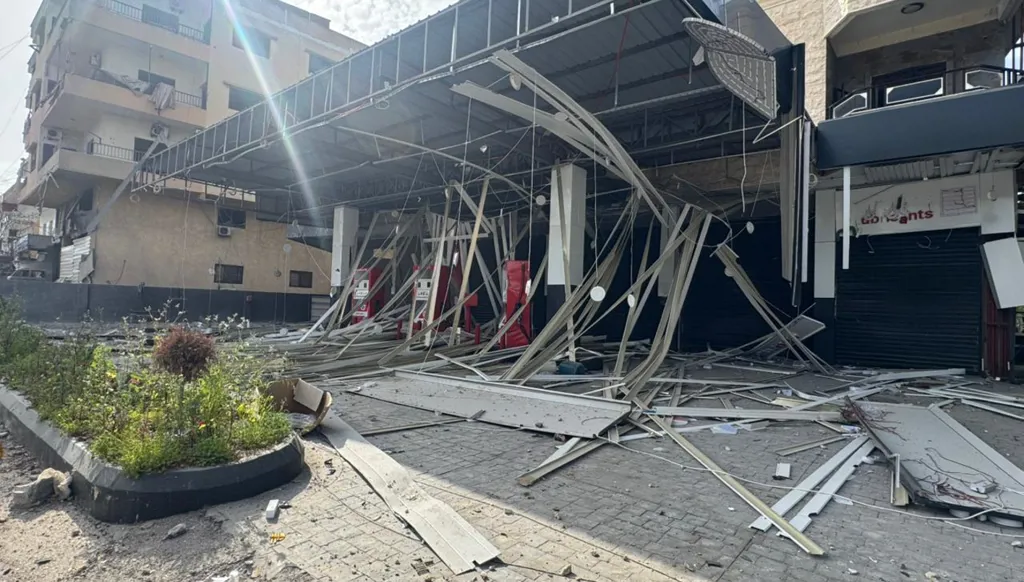
Unfortunately for the residents of these villages, Tel Aviv has recently contracted companies to demolish homes using large machinery and bulldozers in order to erase all traces of the area and further pressure its inhabitants if they return to their land, so that it would be completely devastated if ongoing negotiations and contacts with Washington succeed.
The pre-2000 security belt extended up to the Litani River, except for a pocket of villages in the Tyre district, and it remained inhabited. Access to it was open through several crossings, the most famous in the western sector being the Bayyada crossing, which leads to Naqoura and neighboring areas, extending to Bint Jbeil and Marjayoun.
Today, the Litani River remains the natural military barrier in front of this “line,” and it cannot be concluded that Hezbollah is unable to carry out operations or plant explosives in these villages. It has not yet been confirmed that Al-Khiyam and Bint Jbeil are fully under Israeli control, which seeks to impose its conditions on Lebanon. Military expert Elias Farhat told Annahar that this area is not suitable to become a “buffer zone as is being planned.”
What can Hezbollah do about this line?
Current facts and on-the-ground indicators show that the party cannot move or carry out operations in a manner similar to the former security belt, which had become uninhabited. Farhat says that if fighting resumes in the south, the Israeli positions in these villages would come under the party’s fire, threatened by loitering explosive drones or direct operations, and in this case Israelis would remain under fire and at risk.
From a military analytical perspective, some Israeli media do not place much weight on this “line,” because US President Donald Trump could intervene and exert pressure on Benjamin Netanyahu, asking his army to withdraw from the villages it occupied in the recent war, on the basis that Israeli actions in the south are politically different from the area Israel carved out of Gaza under an agreement sponsored and supervised by the United States.
Therefore, the “yellow line” becomes a pressure card against Lebanon, and the Israeli negotiator repeatedly uses it against his Lebanese counterpart when demanding withdrawal from these villages, to which the latter responds: what about the fate of Hezbollah’s weapons?
As for Hezbollah, it is working on restoring its military capabilities after the second phase of the war, while signaling its readiness to confront this “line.” It would not, of course, object to extending the 10-day deadline, while not excluding the outcome of the Islamabad negotiations between the American and Iranian administrations and their impact on Lebanon.
In the meantime, Farhat notes that Israel is “not confident in the usefulness of this step,” and that it will remain a military pressure card. For this reason, it is working on demolishing homes to inflict harm on the residents. The “yellow line” will be subject to discussion in Pakistan negotiations, despite the trend toward separating it from the Lebanon front and its negotiations with Israel.