

Middle East
21-04-2026 | 14:53
Iran’s security shift: IRGC influence deepens in Tehran’s power structure
Iran’s evolving political landscape suggests a growing dominance of security and military institutions over traditional diplomacy, raising questions about how Tehran manages internal control and external conflict under mounting regional pressure.



 Messenger
 Whatsapp
 Threads
 Email
Email
 Print
Print
 X
X
 Facebook
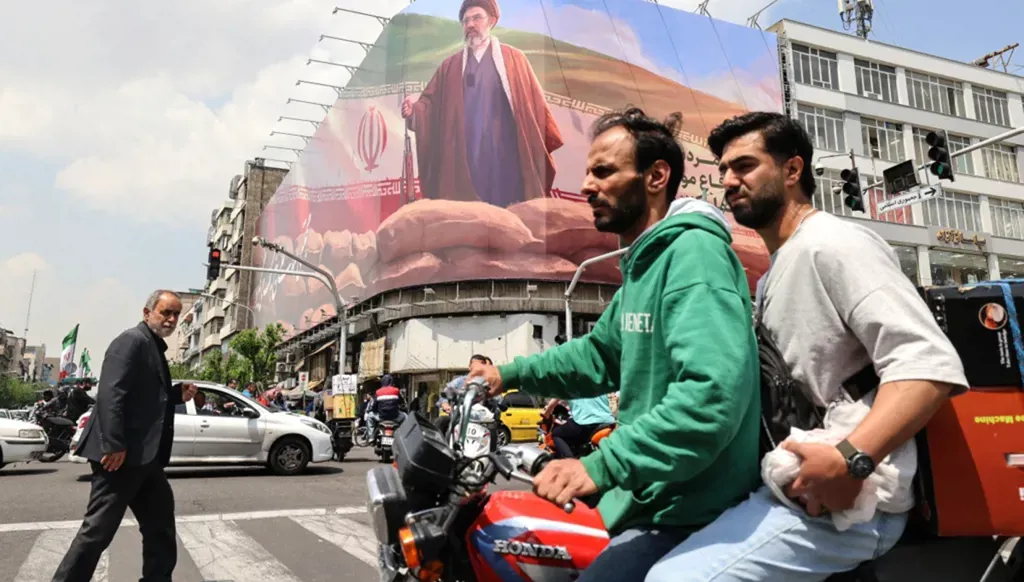
Iranians pass by a large billboard of Iranian Supreme Leader Mojtaba Khamenei in one of the streets of Tehran (AFP).

