

Diplomatic pressure mounts as Washington and Tehran clash over terms of a nuclear deal
As diplomacy collides with military posturing and political urgency, Washington and Tehran push competing strategies in a volatile bid to shape the outcome of talks in Islamabad.



 Messenger
 Whatsapp
 Threads
 Email
Email
 Print
Print
 X
X
 Facebook



Tug of war between war and negotiation
From the maritime blockade to the interception of an Iranian ship on Sunday, the refusal to extend the truce by more than a day, and Iran’s response by closing the Strait of Hormuz and turning tankers back, both sides are attempting to influence the negotiating agenda in Islamabad.
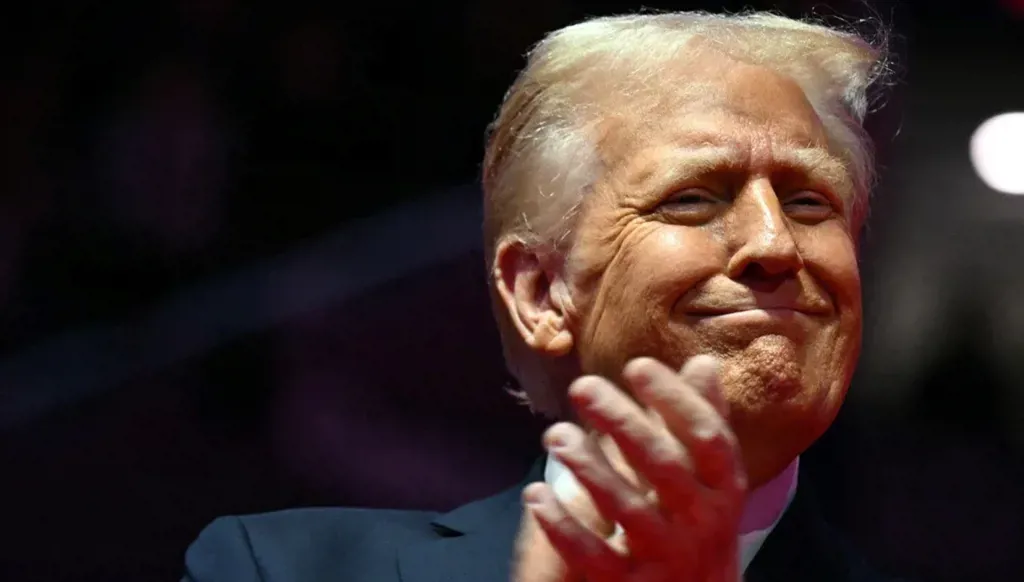
The message Trump wants to convey is that if an agreement is not reached providing assurances that Tehran will not seek nuclear weapons, the United States is ready to resume the war. In contrast, Iran sends its own message that it will not relinquish the Strait of Hormuz as a deterrence tool and a source of financial returns, and that it is prepared to endure the pain resulting from renewed warfare.
Despite seven weeks having passed since the Iran war, Trump remains adamant that it resembles what he did in Venezuela in January, with “some complications,” as he described it. This reflects the U.S. president’s desire for immediate results, whether at the negotiating table or through the threat of “destroying power stations and bridges.”
Trump fully understands he is racing against time before the midterm elections in November, as gasoline prices have risen to over $4 per gallon from $3 on February 27, leading to his popularity dropping below 37 percent for the first time since returning to the White House in the 2024 elections.
Iran, for its part, attempts to drag Trump into a “long-term game,” as noted by former American negotiator Robert Malley.
Trump is almost ready to drop or postpone many demands, such as the fate of the 60 percent enriched uranium, which he admitted on Monday requires “difficult and complicated” negotiations, as well as Iran’s missile program, despite Israeli concerns in this regard, and Tehran’s support for “arms” in the region, and negotiating over the control of the Strait of Hormuz, in exchange for securing an agreement ensuring Iran does not possess a nuclear bomb. Such an agreement would suffice for Trump to claim he reached a deal much better than that achieved by Barack Obama in 2015.
Disclaimer: The opinions expressed by the writers are their own and do not necessarily represent the views of Annahar.