

Hormuz at the center: Why the Islamabad talks may redefine Iran–U.S. power balance
With truce conditions tightening and regional actors escalating pressure, the upcoming round tests whether diplomacy can outpace confrontation.



 Messenger
 Whatsapp
 Threads
 Email
Email
 Print
Print
 X
X
 Facebook
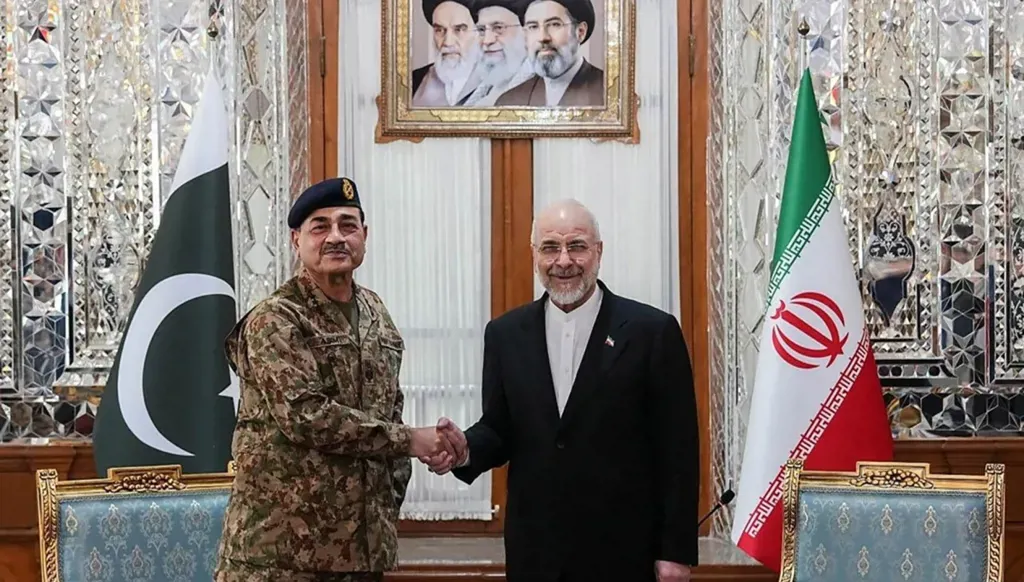


If the second round convenes in Islamabad this week, it will not be a routine resumption of a stalled negotiation process, but a round taking place under the pressure of a fragile truce and the threat of renewed escalation.
The issue is not the location of the meeting nor the level of representation, but rather that both sides are entering it amid a tense and contradictory atmosphere. Washington is simultaneously signaling negotiation and strength, while Tehran remains cautious, maneuvering under siege and military pressure. Thus, this round, if it takes place, appears more like negotiation under duress rather than the beginning of a political breakthrough.
While the first round revealed widening disagreements on major issues, the Strait of Hormuz is entering the next round as a more immediate and sensitive point of contention. The strait is no longer just a backdrop to the crisis but has become a negotiating issue in its own right. Iran wants to retain it as a bargaining chip and a matter of sovereignty, while the United States seeks to keep it open unconditionally, treating it as a test of the seriousness of any agreement.
Hence, Hormuz is no longer a side issue but one of the main themes in the negotiations, as any talk of a truce or deal will remain incomplete unless the issue of maritime navigation and its terms is resolved.
From blackmail to burden
Tehran enters this round having lost some of the pressure cards it has long relied on. The proxies are exhausted, the missile program has taken hits, and the strait card itself is no longer without cost to Iran. The American maritime blockade has turned Hormuz from a tool of leverage into a burden directly pressuring Iran's economy. This does not mean Iran has lost its ability to provoke, but it does mean that using its cards has become more costly for Iran than in previous rounds.
The speech by Mohammad Bagher Ghalibaf clearly reflects this shift. He does not signal surrender but instead pushes toward accepting a deal now, arguing that its cost is lower than negotiating later under greater pressure. This in itself reveals that some remaining wings of the regime have begun speaking in a language different from Revolutionary Guard propaganda.
President Donald Trump enters this round seeking a quick agreement that would ease pressure on markets, energy prices, and the domestic political front in the United States, while also wanting a deal he can present as a clear victory. Accordingly, he has sent a delegation to Islamabad, while simultaneously threatening to destroy Iran’s infrastructure if Tehran rejects his conditions.
As for Israel, it does not appear to consider partial calm or limited understandings sufficient to achieve its objectives. This means that any upcoming round will take place under direct American pressure and with a high Israeli threshold.
The worst-case scenario
Therefore, a comprehensive agreement does not appear to be close. The disagreement remains over core issues, the remaining time of the truce is short, and decision-making centers within Iran do not seem cohesive in their direction. As a result, a major breakthrough is not visible on the horizon, but rather a partial agreement or a renewed extension of the truce that eases tensions and postpones the more difficult issues to a later round, potentially reorganizing the conflict rather than ending it. The worst-case scenario is that the round falters before it even begins, and the truce turns into a brief pause between two rounds of pressure.
The lesson, then, is not in the convening of the second Islamabad round, but in its ability to genuinely reduce the threat to the region. Even if the first round revealed the extent of the gap, the upcoming round will address a more sensitive question: Does it represent a last chance to halt further deterioration and open the door to a settlement, or will it end in a temporary calm that merely reorganizes the conflict without resolving it?