Tensions surge between Washington and Tehran as ceasefire nears collapse over Gulf shipping crisis



 Messenger
 Whatsapp
 Threads
 Email
Email
 Print
Print
 X
X
 Facebook


Iranian rejection
In this context, Iranian official media reported that Tehran rejected new peace talks, citing the ongoing blockade, Washington’s threatening tone, inconsistent positions, and its “excessive demands.”
Iran’s First Vice President Mohammad Reza Aref wrote on social media:
“One cannot restrict Iranian oil exports and expect free security for others... The choice is clear: either a free oil market for everyone, or risk high costs for all.”
Trump had previously warned Iran that the United States would destroy all bridges and power stations in Iran if Tehran rejected his terms, continuing with the latest threats.
Iran stated that if the United States attacked its civilian infrastructure, it would strike power stations and desalination plants in its Arab neighbors in the Gulf region.
Towards a new round of negotiations
Trump indicated that his envoys would arrive in Islamabad on Monday evening, one day before the two-week ceasefire ends.
A White House official told Reuters that the U.S. delegation would be led by Vice President J.D. Vance, who led the first peace talks regarding this war a week ago, and would also include Trump's envoy Steve Witkoff and his son-in-law Jared Kushner. However, Trump clarified to ABC News and MSNBC that Vance would not participate in the new negotiations.
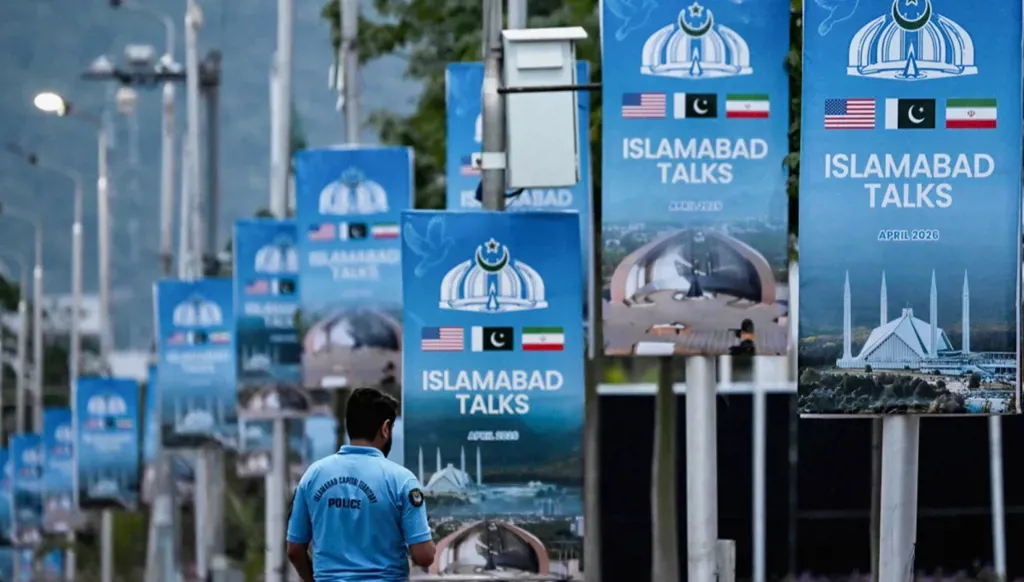
Pakistan, which played the main mediating role, appeared to be preparing for the talks. Two Pakistani security sources said two massive American C-17 cargo planes had landed at an airbase on Sunday afternoon, loaded with security equipment and vehicles in preparation for the arrival of the U.S. delegation.
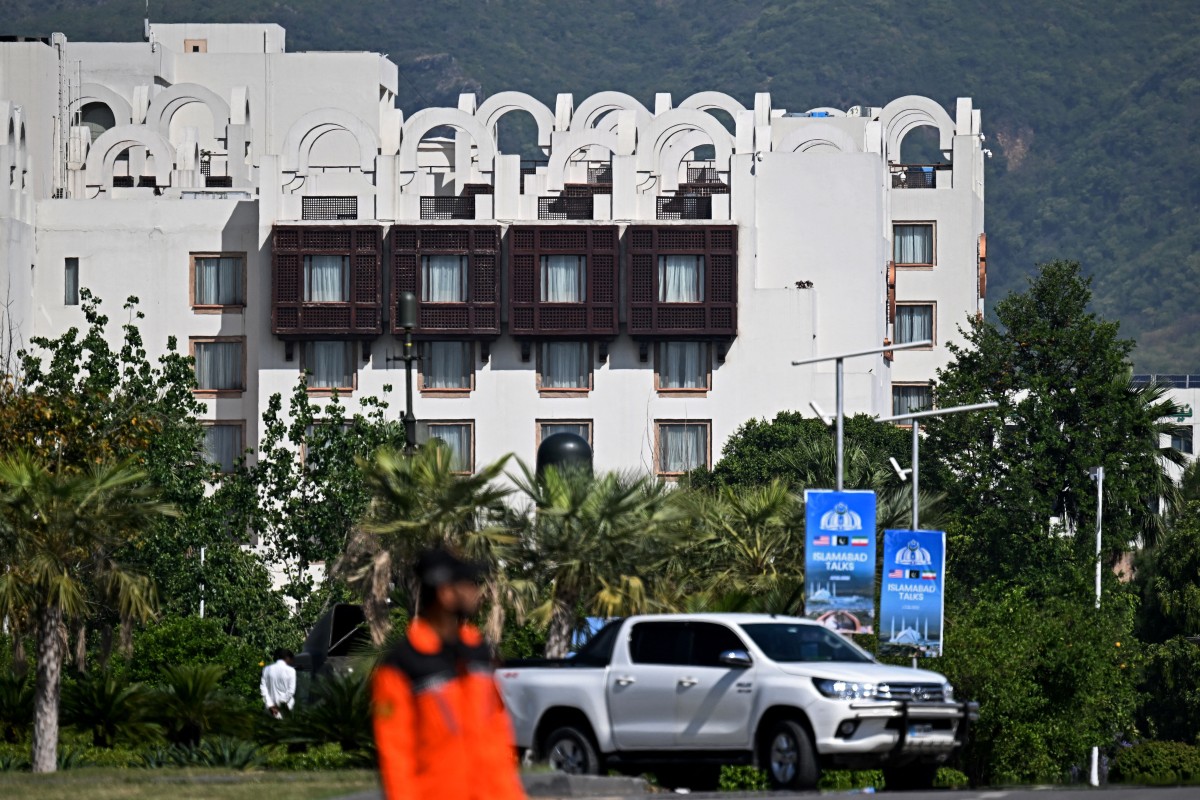
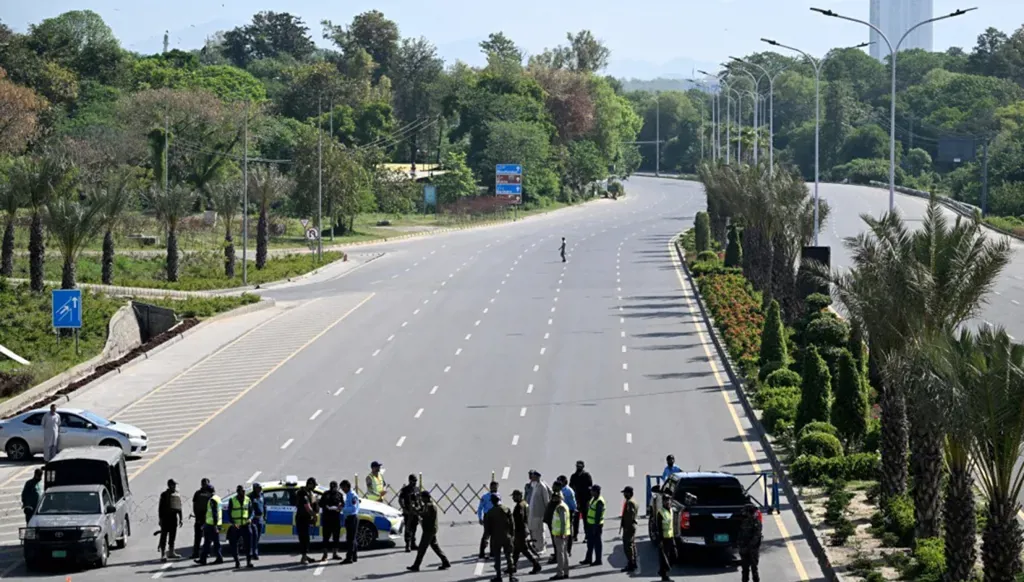
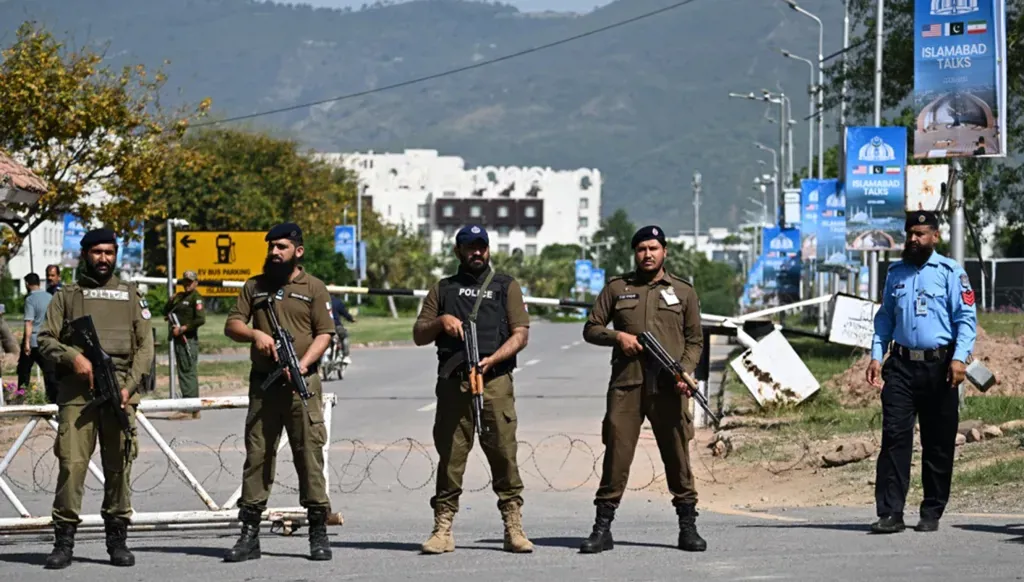
Local authorities in the Pakistani capital Islamabad halted public transport and heavy truck traffic through the city. Barbed wire was installed near the Serena Hotel, where talks were held last week, and the hotel requested all guests to leave.