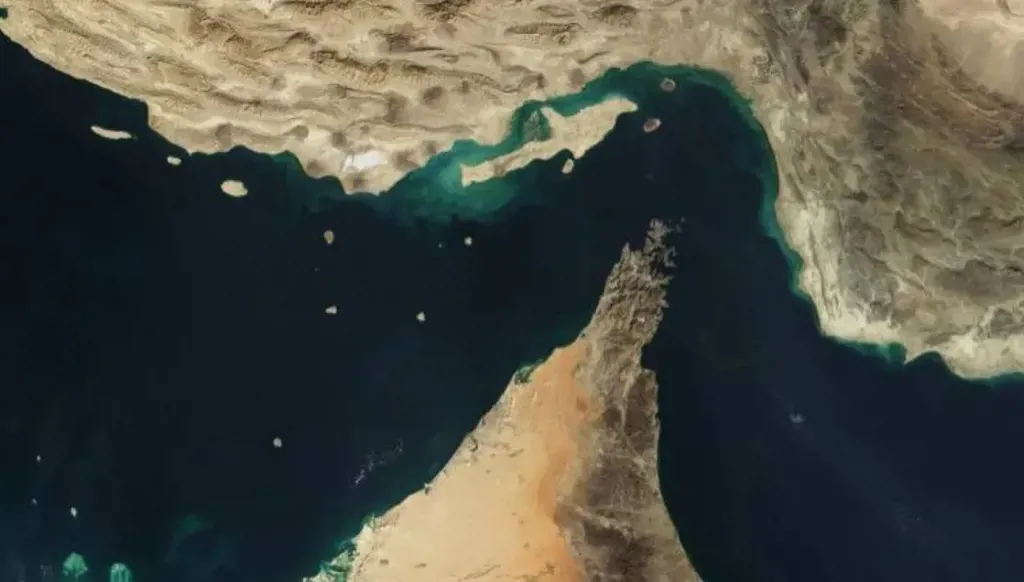
Tensions surge over Strait of Hormuz as Iran ties reopening to U.S. policy shifts
Negotiations between Tehran and Washington show limited progress as a fragile truce nears expiry, while U.S. maritime pressure and regional military alerts raise fears of renewed escalation in the Gulf.
The Iranian-American tension escalated as Iran re-closed the Strait of Hormuz, while Iranian Parliament Speaker Mohammad Bagher Ghalibaf stated that reaching a final peace agreement is still “far off,” despite some progress in the negotiations.
Iran confirmed that it would not allow the maritime passage to reopen unless the United States lifted its blockade on its ports.
U.S. President Donald Trump warned Iran against “blackmailing” the United States over its shifting position on the Strait of Hormuz.
On April 8, Washington and Tehran announced a temporary two-week truce mediated by Pakistan as a prelude to broader negotiations aimed at ending the war that erupted on February 28. The first round of negotiations concluded on Sunday in Islamabad without a final agreement. The ceasefire is set to expire on Wednesday unless it is extended.
Latest developments in negotiations
Ghalibaf said there had been “progress” in negotiations with the United States, but confirmed that the parties are still far from reaching a final agreement.
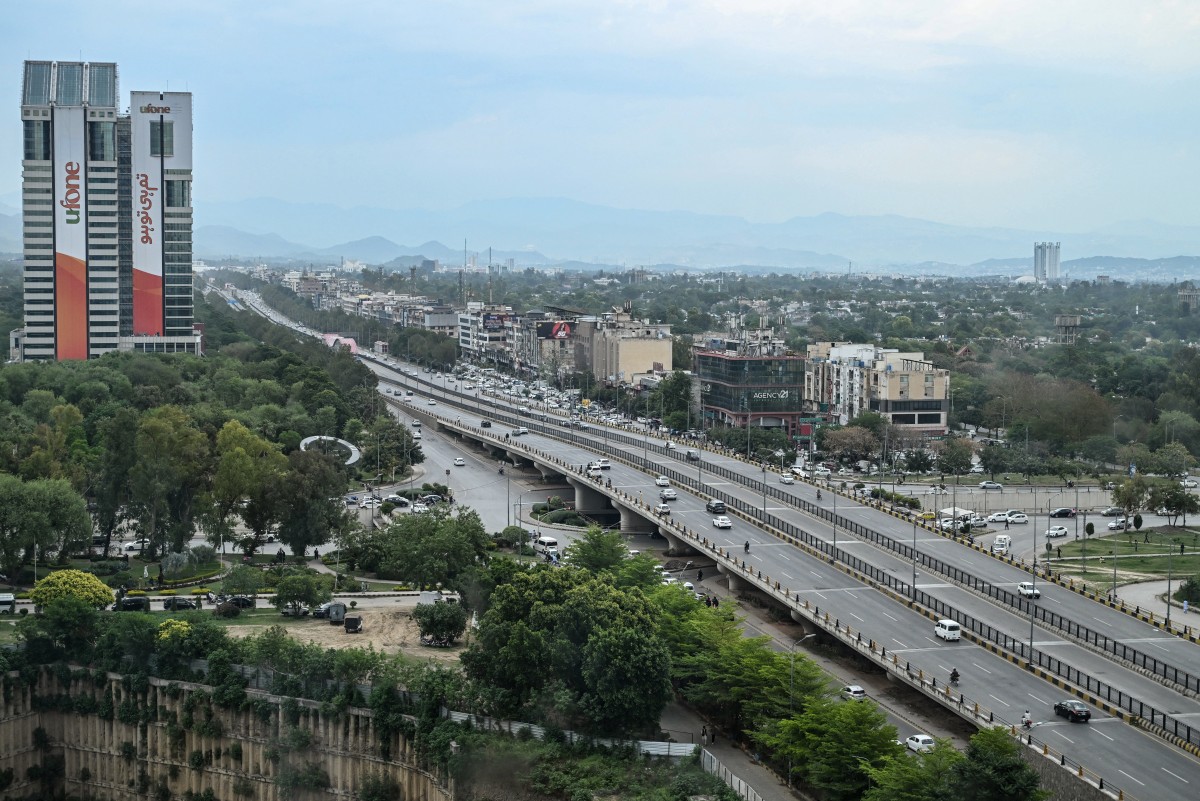
Islamabad. (AFP)
In statements to official Iranian television broadcast in the early hours of the morning, he said, “We reached a more realistic understanding with the American delegation through the negotiations, despite the continued mistrust.”
He added, “During the talks, some issues were agreed upon, while there was no agreement on others.”
The Iranian National Security Council’s Secretariat stated that “American messages and requests for a ceasefire and negotiation began on the tenth day of the war, after the aggressors failed militarily.”
The Secretariat, headed by Revolutionary Guards leader Mohammad Bagher Zolghadr, added that “the Islamic Republic agreed to the Islamabad negotiations on the fortieth day of the war following an official announcement by the U.S. president accepting the Iranian 10-point plan as a framework for negotiations to end the war.”
It explained that “the talks lasted for 21 continuous hours, and the Iranian delegation seriously presented the Iranian people’s demands with an initiative spirit despite deep mistrust toward Washington. However, the other party returned with new and exaggerated demands during the negotiations, leading the round to end without a specific result and postponing its resumption to a later time.”
It mentioned that “new American proposals have been made in recent days through the Pakistani mediator, and they are currently under review without a response yet."
American movements
In this context, and amid the lack of positive negotiation results, The Wall Street Journal reported, citing American officials, that the U.S. military is preparing in the coming days to board oil tankers linked to Iran and seize commercial ships in international waters.
The newspaper stated that White House spokeswoman Anna Kelly confirmed that Trump “is optimistic that the maritime blockade will facilitate reaching a peace agreement.”
Chairman of the Joint Chiefs of Staff, General Dan Caine, said the U.S. “will actively pursue any Iranian-flagged vessel or any vessel attempting to provide material support to Iran.”
He added that “this includes the ghost fleet vessels carrying Iranian oil. As you know, ghost fleet ships are those illegal or unlawful vessels that evade international regulations, sanctions, or insurance requirements.”
He explained that this move—partly carried out through the U.S. Indo-Pacific Command—will mark a new phase of the American pressure campaign against Tehran, which the Trump administration has called “economic fury.”
U.S. Central Command (CENTCOM) said on Saturday that the blockade on Iranian ports has fully halted maritime trade to and from Iran. In a statement posted on “X,” CENTCOM said: “The guided-missile destroyer USS Pinckney conducts patrols in territorial waters to support blockade operations, which have completely halted maritime trade to and from Iran.”
Inside Israel
For its part, Israel is closely monitoring developments, with Israeli radio reporting that the mini-cabinet is set to meet tonight to discuss the crisis in the Strait of Hormuz and the ceasefire situation in Lebanon.
The Maariv newspaper quoted an Israeli military official as saying: “We and the Americans are prepared for the sudden collapse of the ceasefire with Iran.”
The official added that “the target bank has been updated, and military intelligence is monitoring developments in Iran,” and clarified that “Iranian energy facilities will be among those targets” if hostilities resume.
In this context, Israeli radio reported, citing military and political sources, that the military is on high alert in anticipation of the collapse of the ceasefire.





 Messenger
 Whatsapp
 Threads
 Email
Email
 Print
Print
 X
X
 Facebook