

Ali keeps vigil over Ain el Mreisseh rubble as search for his sister Zahraa remains inconclusive
Searches continue in Ain el Mreisseh as families await DNA results and answers about the missing after the “Black Wednesday” airstrikes.




 Messenger
 Whatsapp
 Threads
 Email
Email
 Print
Print
 X
X
 Facebook
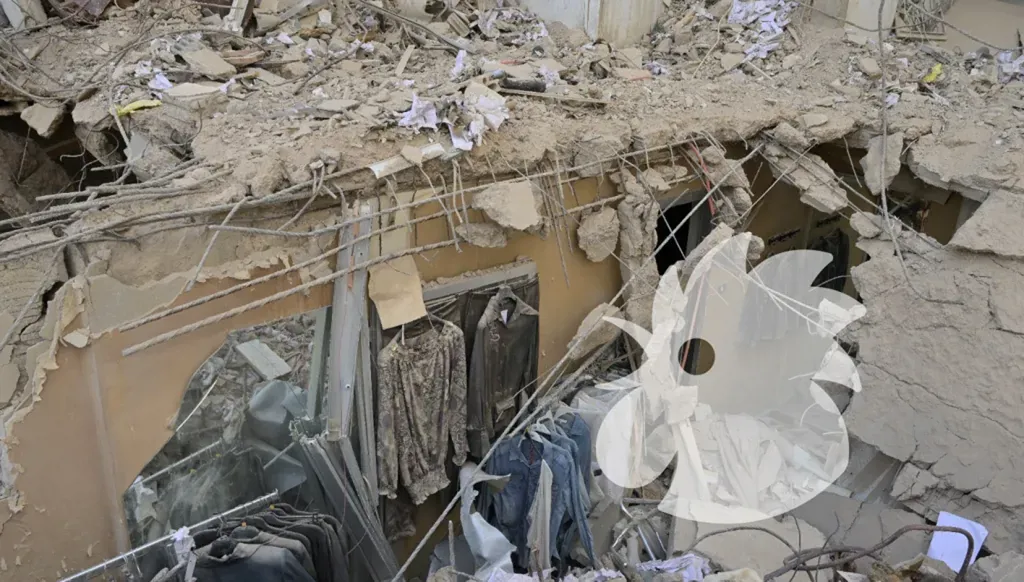


With a pale face and tired features, Ali Abboud stands for hours every day at the rubble of the destroyed building caused by an Israeli attack in Ain el Mreisseh, waiting for news about the fate of his sister, who has been missing since the “Black Wednesday” of 8 April.
Ali, the sole survivor of his family after the Ain el Mreisseh airstrike, as he was outside the house at the time, lost his two aunts in the attack, while his older sister Malak was injured. His younger sister Zahraa, who is 26 years old, is still missing.
Annahar inspected the site of the airstrike in Ain el Mreisseh, where searches for Zahraa are still ongoing. Ali said: “This rubble has been turned over about six times, and we have found no trace of Zahraa, even though all the martyrs and wounded were found here. Despite a week passing, we still have hope of hearing news about my sister, even if she is a martyr; we need to be certain of that.”
The Abboud family, displaced from the southern town of Adloun in the Sidon district since the early days of the war, had considered Ain el Mreisseh a safe area that they believed would not be reached by airstrikes even in the worst-case scenarios, but what happened was beyond expectations. As Abboud explains: “I confirm that my sister was killed without any reason and unjustly by Israel, and I am afraid for my family. If I had felt for a moment that the area was under threat, I would have sheltered them in my home far from the south and all of Beirut.”
A source from the rescue teams that worked for hours searching through the rubble of this specific strike confirmed to Annahar that search attempts were carried out several times and that small unidentified remains were indeed recovered and transferred to hospitals. However, no one can confirm whether any of them belong to Zahraa, and this can only be determined through DNA testing.
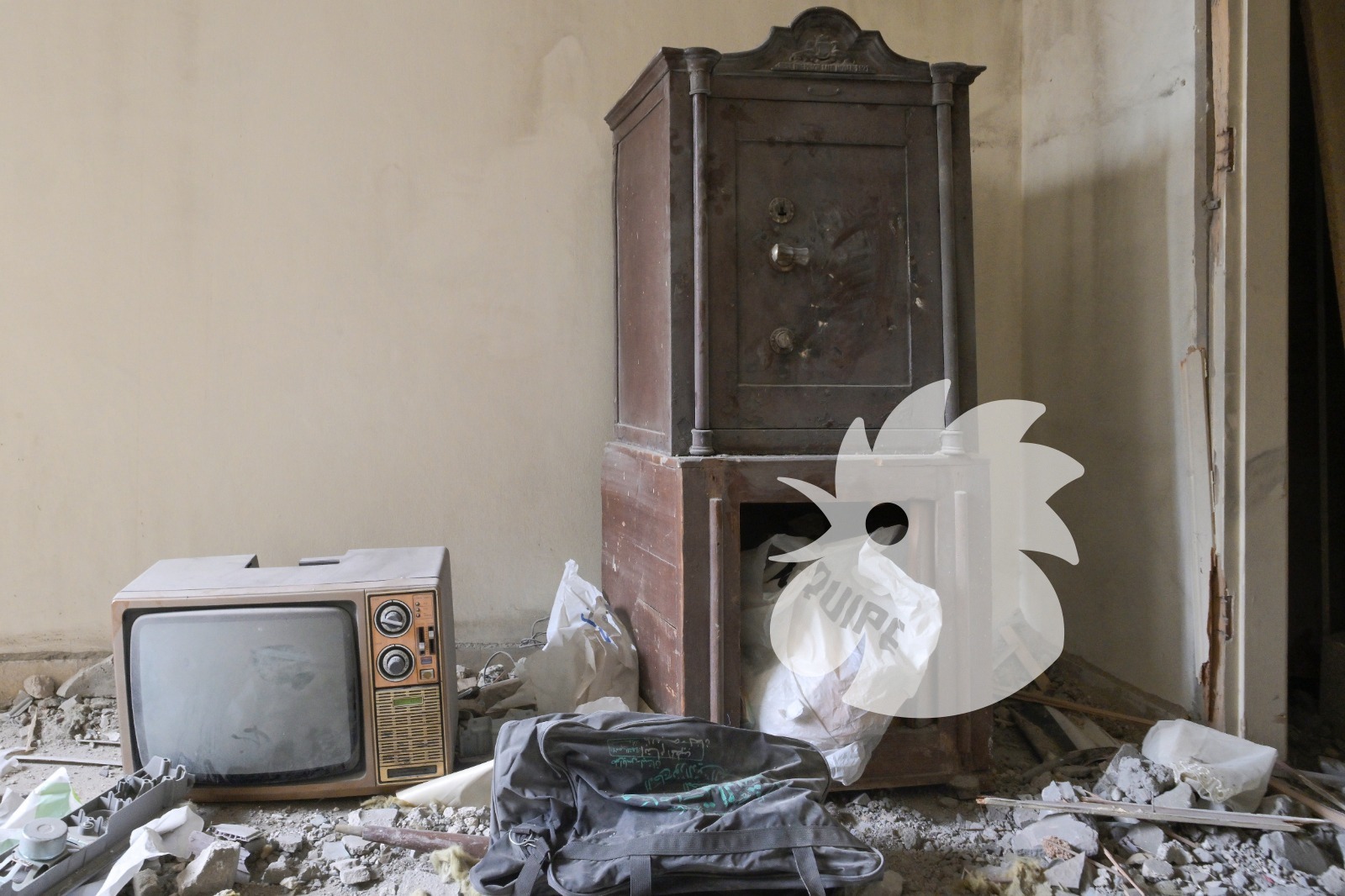
Indeed, there are remains that, up to this moment, are of known identity, according to sources from the Ministry of Public Health cited by Annahar. However, it is still difficult to determine an exact count until the final DNA test results are issued, which take at least 10 days.
By a strange coincidence, the Ministry of Public Health or any official Lebanese authority has not yet issued a number of missing persons from the “Black Wednesday” airstrikes or from the war in general. According to the same sources, this responsibility falls on the security forces rather than the Ministry of Health. However, Al-Nahar’s information indicates that there are at least five missing persons who have not yet been found or traced.